






 or cat boarding facilities, there are few things that create more stress (for both humans and felines) than mealtime logistics. Between raw diets, prescription foods, picky eaters and cats that act like they haven’t eaten in weeks, managing feeding routines can become a surprisingly complex part of your daily care routine. Yet, when done well, proper feeding protocols not only ensure a cat’s health and safety, but also help them feel more comfortable, secure and cared for during their stay.
The following will cover best practices for feeding cats in a boarding environment, from intake questions and storage logistics to feeding behavior red flags and communication strategies for pet parents. Because mastering mealtime isn’t just about filling bowls—it’s about attention to detail, feline psychology and building trust.
Why Consistency Matters
Cats are creatures of habit. Their internal clocks are fine-tuned to meal schedules, and any disruption to those routines can lead to stress, decreased appetite or even gastrointestinal upset. That’s why replicating their home feeding schedule as closely as possible is key.
Start with finding out the basics:
- Ask for detailed feeding instructions during check-in, such as brand, flavor, feeding times, quantity and preparation (e.g., warmed, mixed with broth, separated by cat).
- Confirm feeding frequency. Some cats eat once daily, others twice or more, and some are free-fed.
- Clarify treat allowance, including what kind, how often and if are they part of a behavioral routine (e.g., before bed).
Pro Tip: Encourage pet parents to pre-measure or portion food if they are bringing a special diet. This eliminates guesswork and ensures consistency.

Dry Kibble
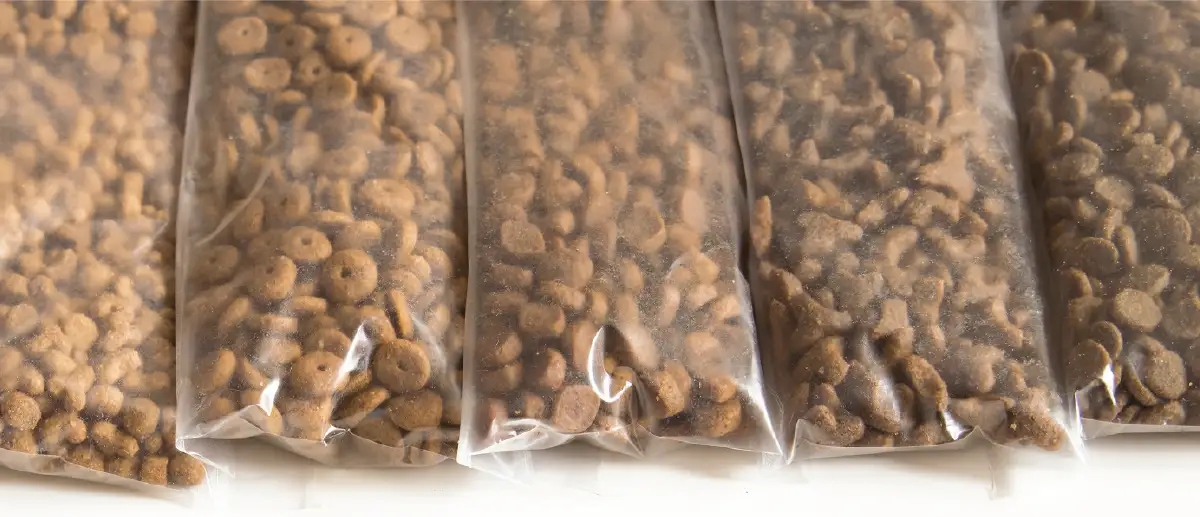
The easiest to manage, dry food should be clearly labeled and portioned. For cats that graze, consider timed feeders or regularly scheduled top-offs. Be sure to label which cats are free-fed and which are not.
Canned/Wet Food
Once opened, wet food should be stored in a refrigerator and marked with the date and cat’s name. Use disposable or sanitized reusable containers for portions. And if requested by the owner, ensure food is warmed using hot water, not by microwaving metal cans or bowls.
Raw Diets
Handling raw food requires special attention to cleanliness and food safety. Store raw meals separately in a designated section of the freezer or fridge, and always use gloves, clean prep surfaces and sanitize thoroughly between uses.
Prescription and Specialty Diets
Double-check expiration dates, storage requirements and dosing on prescription or specialty foods, especially for those that manage medical conditions like kidney disease, urinary issues or diabetes. Also keep a log of what was offered and consumed.
Pro Tip: Use color-coded food prep containers and utensils to avoid cross-contamination between raw, cooked and prescription diets.


Even cats with great appetites at home can go on hunger strikes in a new environment. Stress, change in routine or loss of appetite from illness can all play a role.
First, observe if they are they sniffing the food and walking away, showing signs of nausea (lip-licking, drooling, hiding) or if they are avoiding the feeding area altogether. Then, you can try simple encouragement, including offering a quiet, private feeding space, warming the food slightly to release aroma, using a spoon or small dish to hand-feed gently, or adding a bit of a fragrant treat or broth to help stimulate appetite.
If a cat hasn’t eaten at all for 24 hours (or 12 hours for kittens or known medical conditions), it’s time to notify the owner and consider a veterinary consult. Cats, especially overweight ones, can quickly develop hepatic lipidosis (fatty liver disease) if they stop eating.
Feed cats in separate areas if needed (even if only for mealtime), observing who eats what and noting any food guarding or meal skipping. It’s always better to err on the side of separation until you’re sure they share nicely.
Pro Tip: Use a dry-erase board or digital feed log to track what each cat ate and when. This helps you spot trends early (like food refusal or unusual hunger).
In order to prevent cross-contamination and the spread of bacteria, dishes should be washed after each use with hot water and pet-safe disinfectant. In addition, gloves should be used for raw-food handling and for immune-compromised cats.
Good food-handling, storage and sanitization practices are essential for health of pets and staff. Separate storage for dry, canned and raw food should be in place, as well as a designated food prep station.
Clear Communication with Pet Parents
During the stay, meal updates with honesty and reassurance should be provided. If a cat isn’t eating well, let them know early—not after three days. Celebrate the wins, sharing updates such as, “Mittens finally ate her whole breakfast today and even came to the front of her condo to ask for it!”
For picky or nervous cats, try sitting nearby while they eat. Some cats just need quiet companionship to feel safe enough to eat.
Document all changes and alert the owner. If something feels urgent, call the vet—you’re not diagnosing, just acting in the cat’s best interest.
Feeding isn’t just a routine task in cat boarding—it’s a reflection of your attention to detail, your compassion and your professionalism. A cat that eats well in your care is a cat that feels safe.
By taking the time to understand each cat’s individual routine, managing special diets with care and communicating clearly with their humans, you can turn a potentially stressful part of the day into one of the most reassuring.