

Business


 ow, more customers look for this convenience when using other services. From groceries to doctor’s appointments and even drive-thru orders, more business than ever is done online.
Some pet care facility owners have been tempted to follow the herd. After all, it’s easy, accessible from anywhere, at any time and hands-off for their staff. They may think, “Well, that seems useful. If it can save my business time and resources, then why not?”
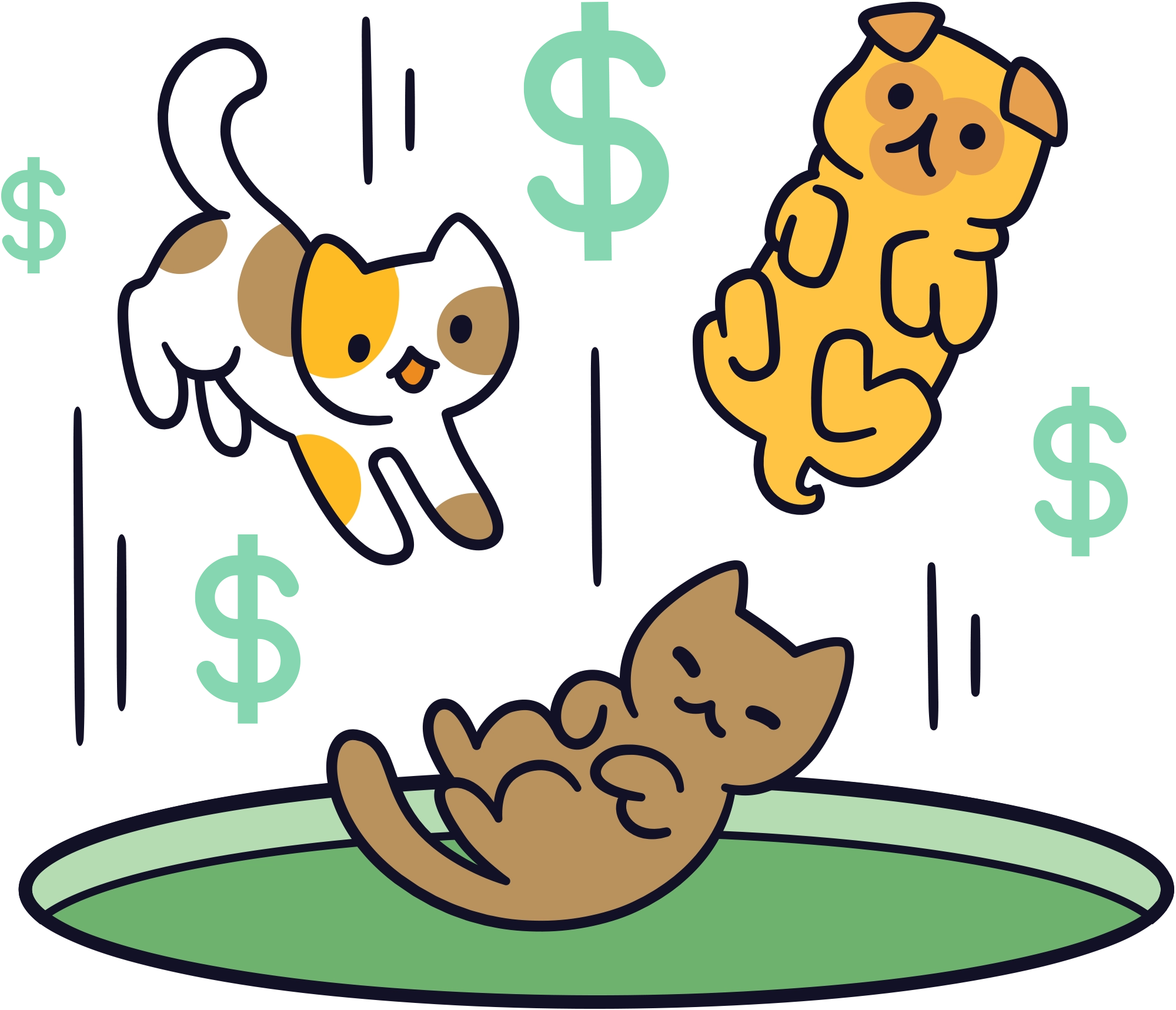
Fast forward, and the ground gives way beneath them as a huge pitfall trap opens up. They might not even realize it at first, until they see the signs: declining revenue, increased customer friction, erosion of trust, loss of brand identity…each day, the pit gets a little deeper and darker, until it threatens to cave in completely.
So, let’s explore what makes online reservations so dangerous for pet care businesses and what to do about it.
Enormous pet sitting apps and big-box stores can get away with the lowest rates, but that’s not a winning battle for most pet care businesses. The alternative is to stand out, proactively communicate your superiorities and convince customers your services are worth their cost.

Pet care is complex, highly customized and rarely one-size-fits-all. If we try to shove it into a cookie cutter, we’ll likely get cut ourselves.
Needless to say, this industry is highly emotional. A page on a screen can’t reassure a pet parent that their “baby” is in safe, loving hands or establish a connection.
That’s why most pet parents will still make first contact with you on the phone, where they can talk to a live human who can convince them your company is deserving of their trust. But if the person picking up that call isn’t prepared to do so, or worse—points them to a soulless online form—that trust is lost, and there are no second chances.
If they choose not to book right away, you don’t even get to retain their name and contact information for future marketing. That marketing lead is burnt and lost, and its revenue along with it. Even those that do book often select the bare minimum. Chances are they don’t fully understand your care or what services are available to them. And if they don’t know about your fun enrichment add-ons, bathing services and customization options, they can’t buy them.

When booking online, important information is too easy for pet parents to skim over, misunderstand or ignore entirely.
When booking online, important information is too easy for pet parents to skim over, misunderstand or ignore entirely. Vaccinations, deposits, pick-up/drop-off hours…when these details aren’t clearly communicated from the start, it leads to more unhappy customers, confusion at the front desk, and vulnerability to backlash and bad reviews.
At the same time, there’s nothing (or no one) to catch any “red flags” that could lead to trouble later. Signs of aggression, health concerns and spay/neuter status can slip right through the cracks. The best time to address concerns like these is always on the initial call, with ample skill, care and compassion.
The same is true when a prospect pulls up your online reservation form. Who would you rather trust with that opportunity: words on a screen or a highly adept, caring human professional?
1. Capture leads—whether they book or not. If the pet parent isn’t ready to book today, they might in the future. Taking their information up front gives you the best chance of converting as many inquiries as possible with marketing and outreach efforts.
2. Differentiate your business. It’s not enough to assume prospects will browse your website to understand what makes your company special. On the phone, your staff can make sure every caller knows what’s unique about your facility and why they should choose you over a cheaper, inferior competitor…all while fighting commoditization.
3. Describe your care and defend your rates. Instead of simply giving your rates for a prospect to leave or take, a phone person explains why your services are worth the cost. If customers understand exactly what they’re paying for, they’re far more likely to be willing to pay it.
4. Win the pet parent’s trust. When they first call, most pet parents are apprehensive, cautious and emotionally charged. So much trust goes into choosing a pet care provider, and it’s your company’s job to win it. A compassionate, knowledgeable staff member has all the skills and tools to put clients at ease in minutes.
6. Clarify expectations. It will save you time and frustration to have a trained phone person inform customers of policies, requirements and next steps over the phone. This means better interactions, happier customers and elevated service overall.
7. Miss fewer calls. Many pet care facilities miss a staggering number of incoming calls. Each of these missed calls is a lost opportunity that damages your perceived trustworthiness. Having someone specially trained on the phones ensures you capitalize on every lead and maintain the best communication with your clientele.
The sooner your phone team is trained, the sooner the revenue comes ringing in…and the sooner you can leave the pitfall trap behind.
- Paw-rental differences: How each generation views their pets. (2025, May). Talker Research. https://talkerresearch.com/paw-rental-differences-how-each-generation-views-their-pets/
Laura Laaman is president of Outstanding Pet Care. If you’re interested in the strategies discussed in this article and want to grow your revenue with our proven, guaranteed services, schedule a consultation by calling 1-888-836-8740 or visiting www.outstandingpetcare.com/contact.