


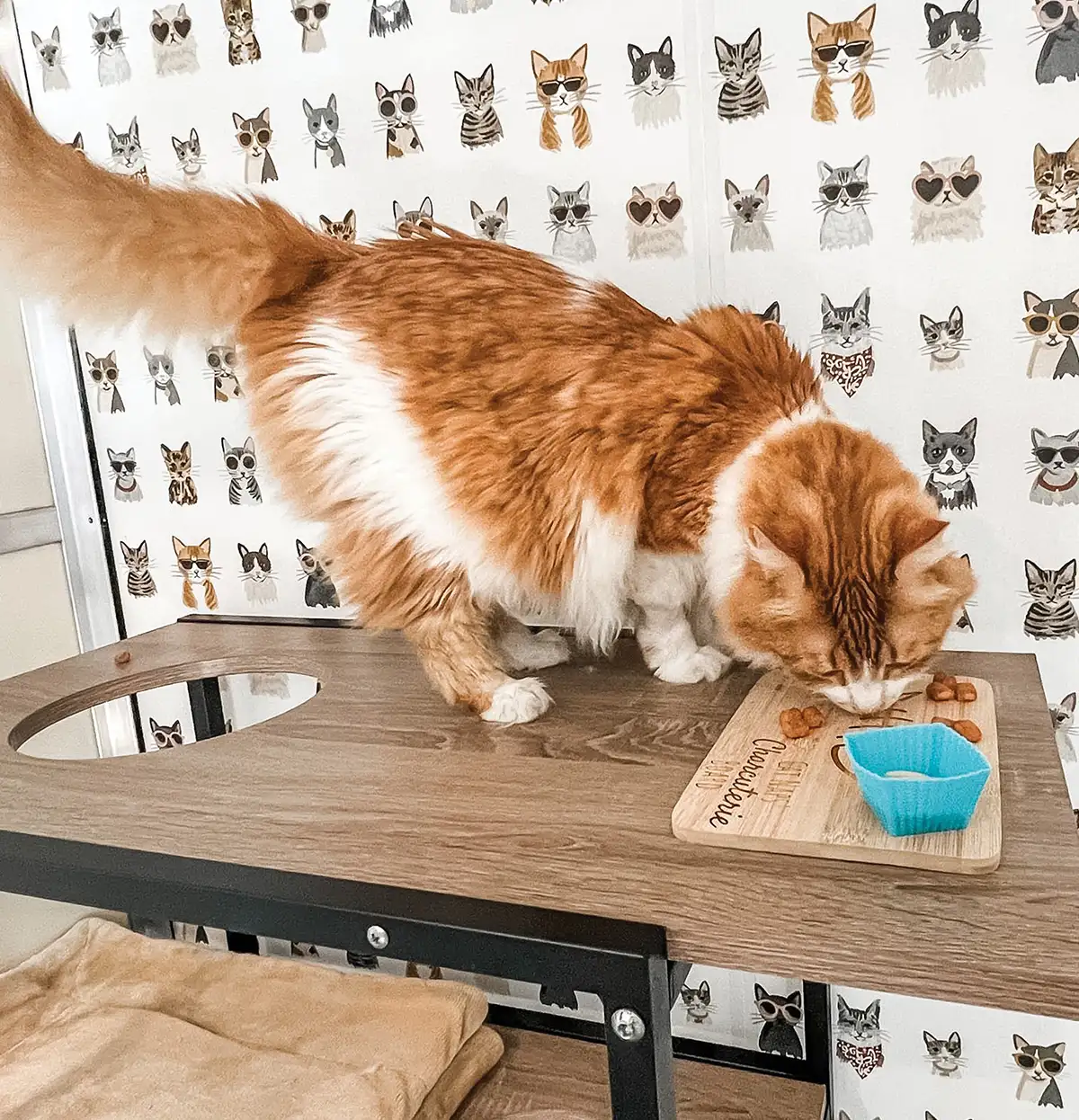
Photos provided by Cat Naps Cattery
 ith an approach rooted in observation, adaptability and a clear understanding that cats are anything but low maintenance, cat boarding is not an afterthought tucked into a dog-focused facility at Cat Naps Cattery in New Jersey—it is a carefully designed experience built entirely around how cats think, behave and adjust to new environments. From layout and daily routines to staff training and client expectations, the following provides an inside look at what it really takes to create a boarding program that works for cats, not just for convenience.
At the core of Cat Naps is a simple but intentional philosophy: Create a calm, quiet environment, maintain a predictable routine and adjust care to each individual cat. Many of their clients are boarding their cats for the first time, which means the environment has to support both nervous and confident personalities at the same time.
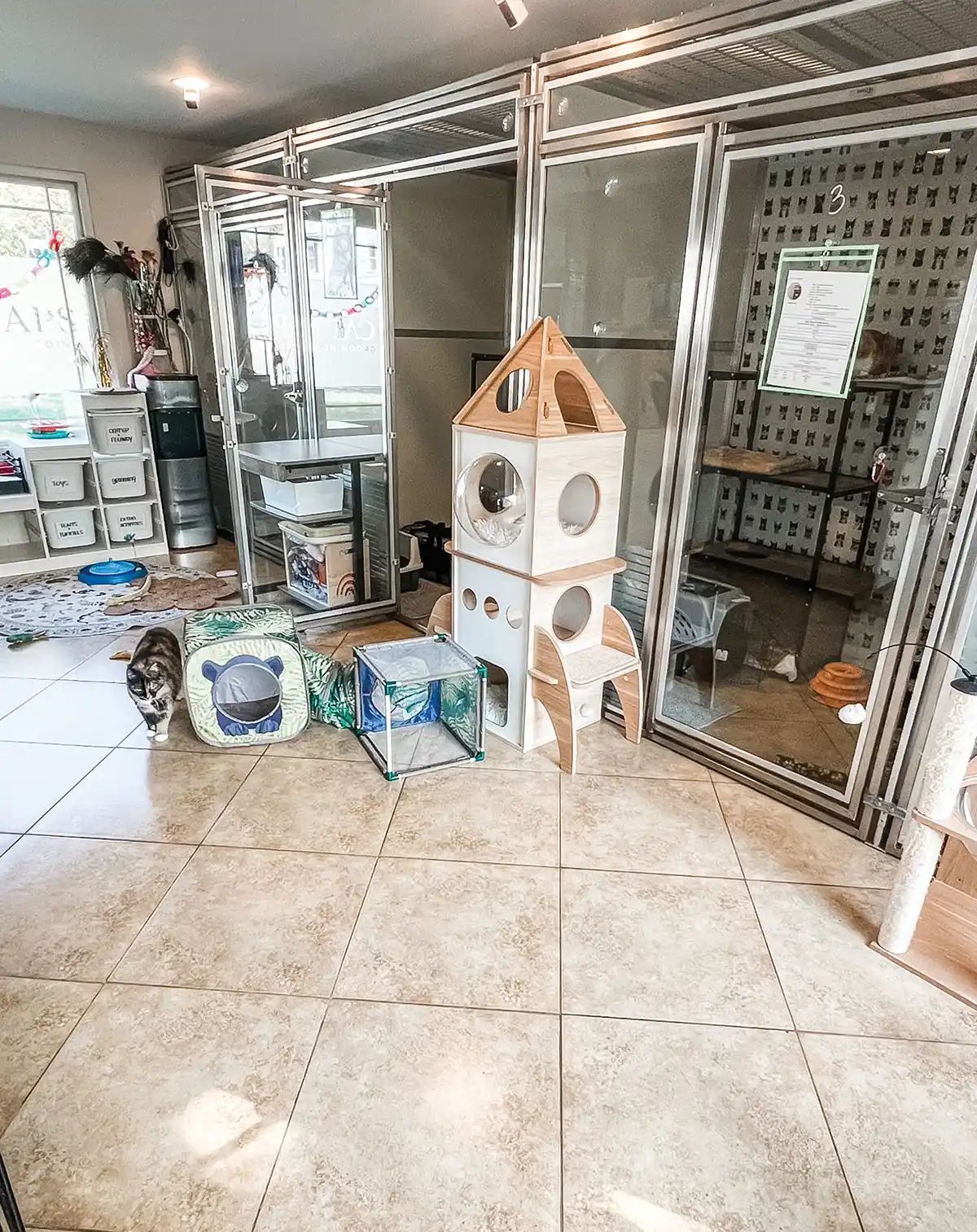

Cats rely heavily on their sense of smell, so if materials cannot be properly cleaned, they may still carry lingering scents or even germs from other cats, which can create unnecessary stress and spread illness. At the same time, the layout allows staff to see and access every part of the cat’s room without disrupting them.
Like most well-designed animal care environments, the final setup came through a fair amount of trial and error, refining what worked best for both the cats and the team.
Cleaning is handled in layers throughout the day. Litter boxes are scooped as needed, while more thorough cleaning takes place during each cat’s individual playtime outside their room. This allows staff to spot-clean and tidy any messes in the space while the cat gets time to explore the general play area, which is thoroughly cleaned between play times.
Since cats are more comfortable in spaces that smell like themselves, they don’t typically do a full-room turnover during the cat’s stay. But they do make sure each cat always has a clean litter box, fresh water, food (if on a free-fed schedule), clean bedding and safe toys.
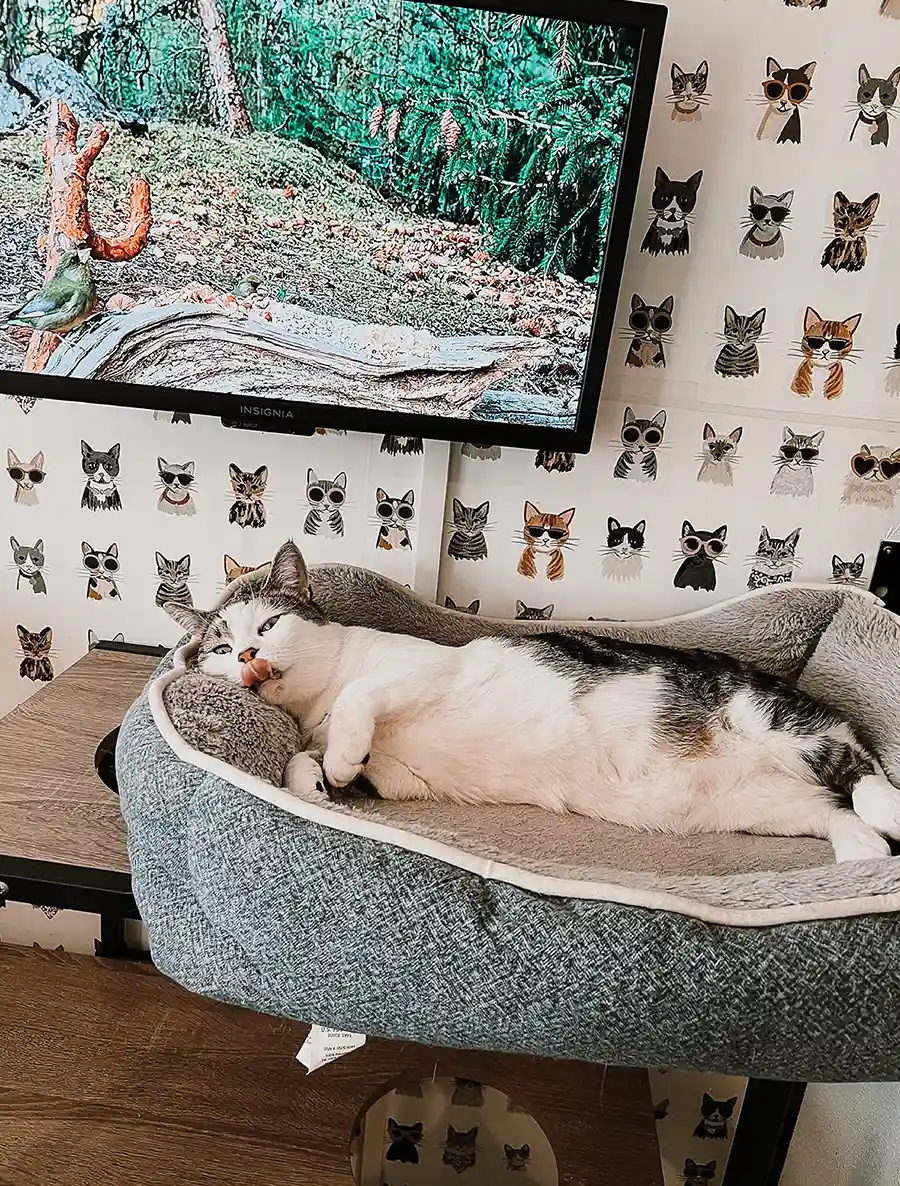
Playtime itself varies depending on the time of day and the cat’s personality. Midday tends to be more active, with wand toys and interactive games, while late afternoon often shifts into quiet rest, with many cats settling into sunny nap spots.


Some of the biggest breakthroughs happen in the later hours when the facility is quieter and there is less activity. Many cats that remain hidden during the day will begin to explore and interact in the evening, making those slower moments an important part of the trust-building process.
A key part of reducing stress is giving cats a sense of control over their environment. Each room includes a variety of toys, and additional enrichment is rotated through the larger play space to see what each cat responds to. Staff track their play preferences so they can build on what works, creating a more engaging experience over time.
Photo updates, in particular, play a significant role for clients who may be nervous about leaving their cat in a new environment. Providing regular updates helps bridge that gap, reinforcing trust and giving owners reassurance that their cat is comfortable and cared for.
Grooming is another focus at Cat Naps, and from a client perspective, it is a major convenience. Grooming add-ons, such as nail trims or brushing, are especially popular before cats return home.
As with everything else, timing is based on the individual cat and how they are handling their stay, ensuring that services are added in a way that supports rather than disrupts their experience.

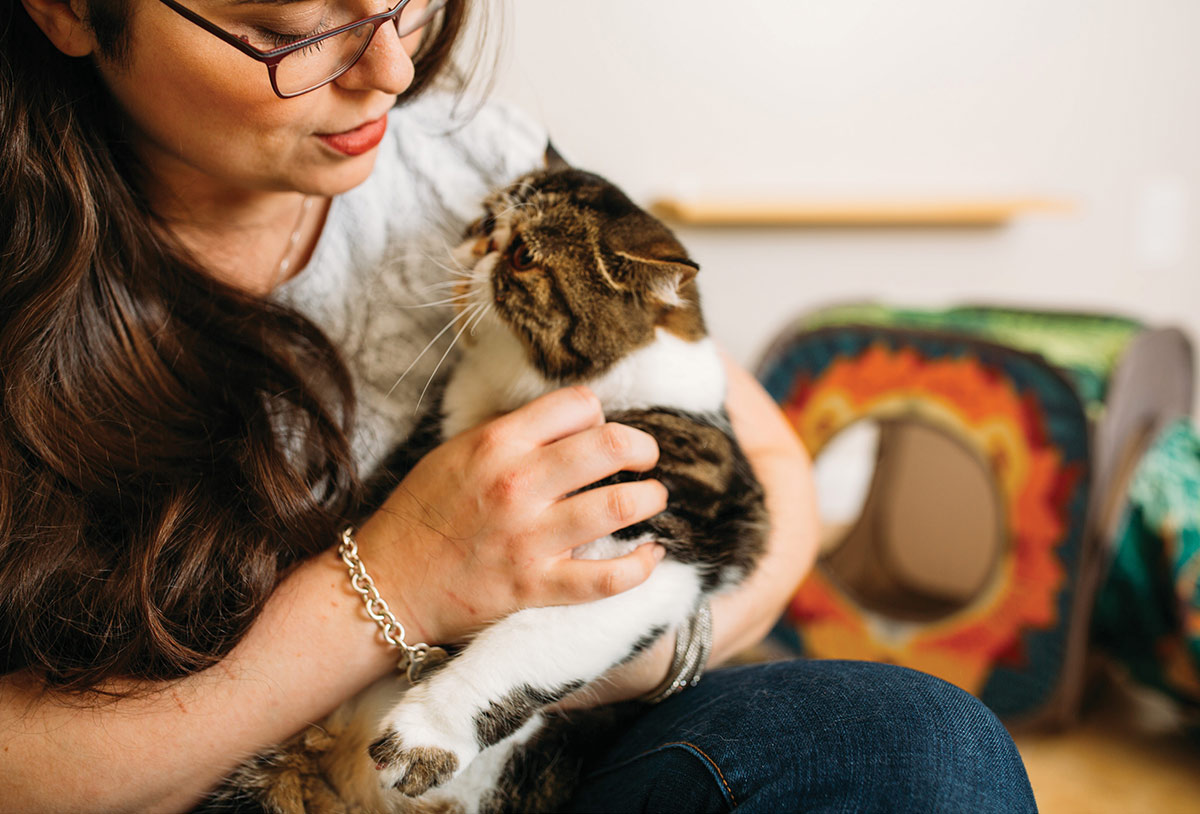
Just as important is demonstrating an understanding of each individual cat—not just general feline behavior. That combination of knowledge and attentiveness helps build the trust clients are looking for.
One of their simplest evaluation tools is also one of the most revealing. During interviews, candidates are brought into the boarding area and observed. Those who immediately try to reach out and touch unfamiliar cats often lack the natural caution needed for safe handling. At the same time, staff must be calm and steady in their responses. Being startled is expected, but reacting with loud noises or sudden movements can escalate a situation.
Ongoing education is an important part of training, helping staff continue to build their understanding of feline behavior and improve their handling skills over time. The more staff are able to read body language and adjust their approach, the more engaged and comfortable the cat becomes, both during their first and future stays.
At its best, cat boarding is not about containment, but about creating an environment where cats can feel safe, adjust at their own pace and express their natural behaviors. At Cat Naps Cattery, that comes down to thoughtful design, consistent routines and a willingness to adapt to each cat as an individual.