







Staff
Barkleigh Productions, Inc.
Rebecca Shipman
Laura Pennington
Brandi Aurelio
Carlee Kubistek
Luke Dumberth
Todd Shelly
Gwen Shelly
Adam Lohr
James Severs
Karin Grottola
Evan Gummo
CONTACT
General: (717) 691-3388
Editorial: rebecca@barkleigh.com
Advertising: james@barkleigh.com

July / August 2026
24

54

Business
Facility
Industry News
- Aerapy Animal Health57
- Alpha Tech Pet29
- Alpha Tech Pet64
- Assessment Ace28
- BackYard Pet Supplies27
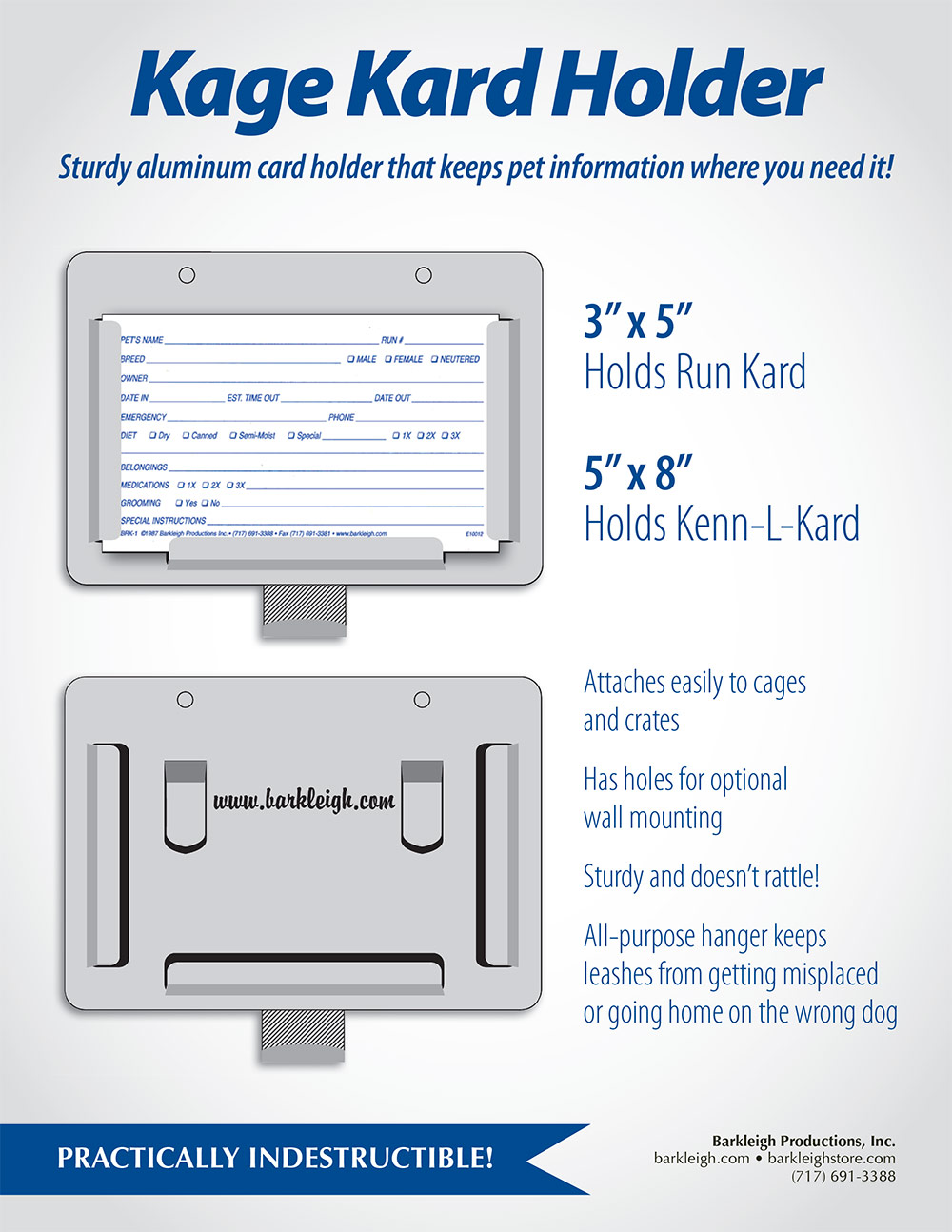
- Barkleigh Store – Kage Kard Holder61
- Barkleigh Store – Meow Wow! A Complete Guide to Feline Grooming51
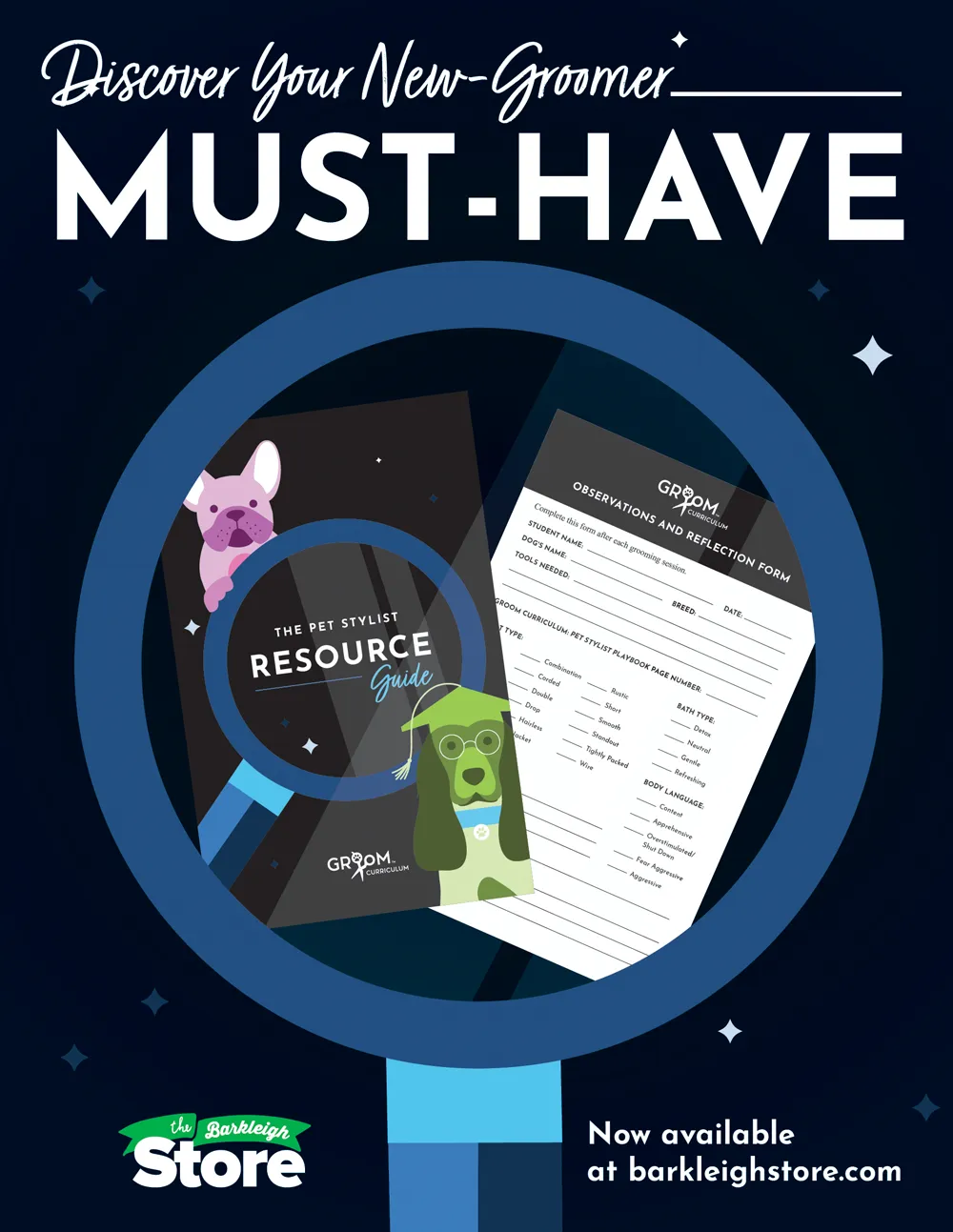
- Barkleigh Store – The Pet Stylist Resource Guide62
- BarkPark19
- Best Shot Pet – UltraMAX55
- Business Insurers of the Carolinas58
- BusyPaws2
- CleanWise21
- Cosmos Bathing Systems34
- Direct Animal Products37
- Eckel Noise Control Technologies53
- Electric Cleaner Company33
- Enrichment University9
- Focus Answering Service22
- Friedman Tax40
- Gator Kennels20
- Governor Insurance Agency49
- Gyms for Dogs35
- K9 Grass by ForeverLawn13
- Kuranda Pro3
- Midmark5
- Natura Turf Pro36
- Odorcide25
- Online Doggy32
- Outstanding Pet Care14
- Paragon School of Pet Grooming16
- Pet Boarding and Daycare Podcast47
- Pet Business Marketing8
- Pet Business Marketing17
- Pet Vet Sales15
- Pet-Shield45
- PetBizInsurance.com56
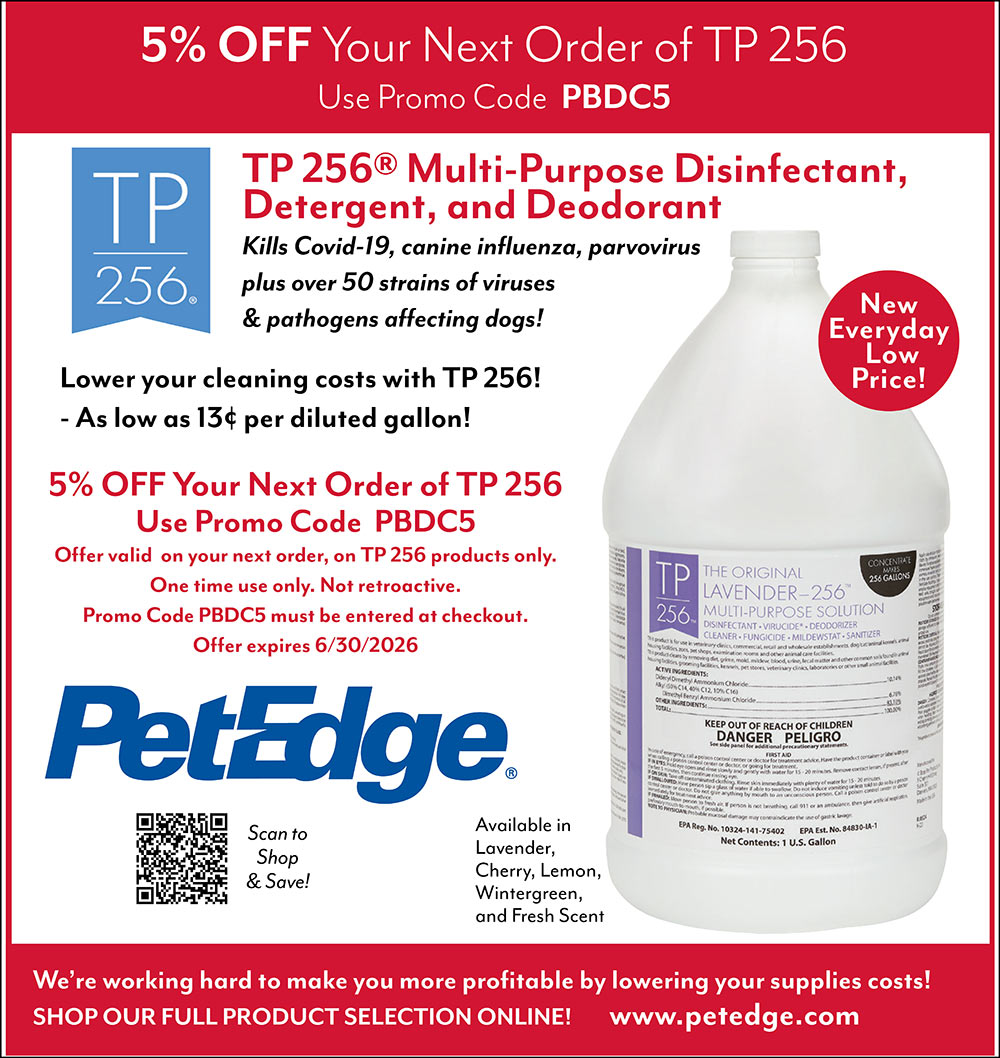
- PetEdge7
- PetLift43
- Poly Pet Tubs46
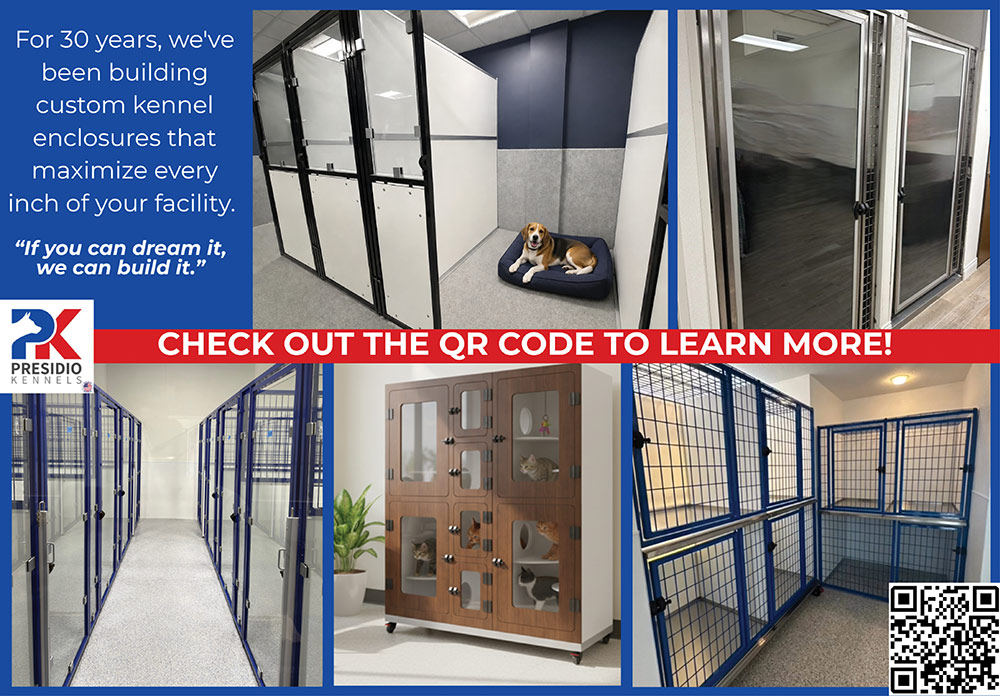
- Presidio Custom Kennels12
- Professional Animal Care Certification Council23
- Professional Pet Boarding Certification52
- Puppy Playground11
- Snyder Manufacturing Company39
- Stone Mountain Pet Products50
- Thera-Clean Microbubbles59
- Turnkey, Inc.26
- Wag’n Tails63



























Behavior and Training


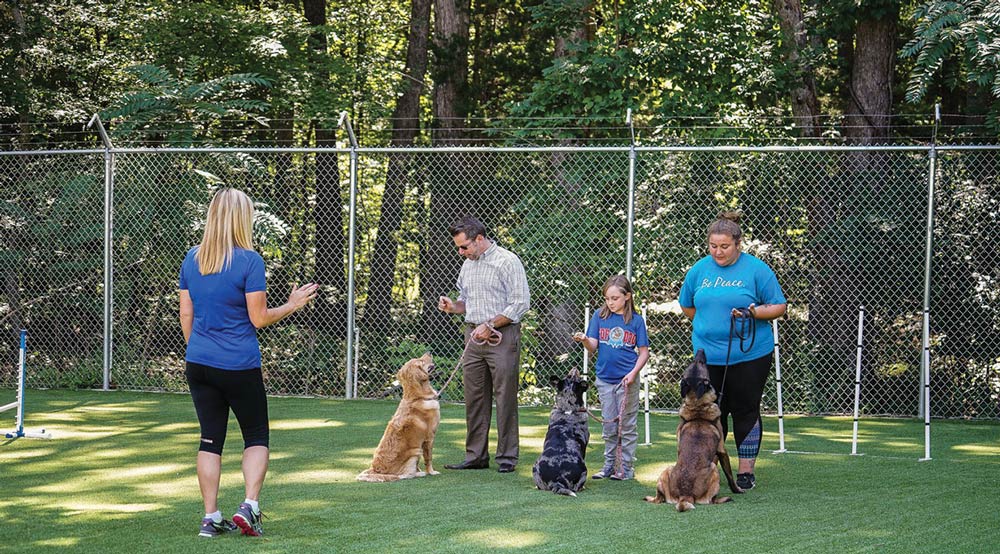
 aycare can be a fantastic outlet for dogs, and our job is to ensure they play safely and go home tired. On the surface, a pair or group of dogs playing may seem harmless, but there are many nuances to observe within that play to make sure it is fair and that all participants are willing. The following will outline key aspects of these interactions for a better understanding of what we should stop, encourage or shape.
Fair and balanced play should always be our priority, but what does that really mean? While it may seem obvious, it can be difficult to interpret, especially with younger puppies, where much of the behavior appears harmless. When observing dogs at play, we want to see a back-and-forth exchange—a “volley”—between them. Look for the following:
- Play bows: This is a common invitation to play. When one dog offers a play bow, it should be met with interest or engagement from the other dog.
- Role reversals: If one dog consistently dominates the interaction, the play becomes unbalanced. Healthy play involves dogs switching roles and taking turns.
- Loose, relaxed movement: Tension indicates imbalance. Instead, look for fluid, “snake-like” movement as a sign of comfort and playfulness.
- Time-outs: When one dog pauses or disengages and the other respects that break, it shows strong communication and balance.
This kind of fair exchange is essential for healthy socialization. But what happens when play is not balanced?
One common issue is one-sided play, which can resemble bullying. In these situations, one dog is far more interested in the interaction than the other. While it may appear playful at first, there are important warning signs:
- Calming signals: A dog that is uncomfortable may yawn, lick their lips or turn their head away to disengage. If these signals are ignored, staff should step in to create space before the behavior escalates.
- Snapping: Dogs may snap to create distance. While this is natural communication, it indicates discomfort and should be addressed to prevent escalation.
- Disengagement: A dog trying to walk away is signaling they are not interested. If the other dog continues to pursue—especially without role reversal—it may not be play. When unsure, briefly remove the initiating dog and observe. If the other dog re-engages, the play may have been balanced; if not, it likely wasn’t.
- “Annoying little sibling:” This includes persistent pestering such as muzzle punching, pawing at a disengaged dog, barking in their face, chasing without role reversal or mounting. While the intent may be play, the approach is inappropriate and should be redirected.
In these cases, adjusting play groups to better match energy levels and play styles is often the best solution.
- Interrupt play by biting at legs or necks
- Bark in other dogs’ faces
- Attempt to force interaction in inappropriate ways
Alternatively, two dogs with similar play styles may unintentionally gang up on the third, creating a stressful “two-on-one” situation. Both scenarios can lead to frustration, discomfort and potential conflict. Redirecting the third dog to a better-matched playmate can help maintain a safe and positive environment.
In the end, our role in managing group play goes far beyond simply supervising dogs; it requires active observation, interpretation and intervention. By learning to recognize the difference between balanced, reciprocal play and interactions that are one-sided, we can better understand and advocate for each dog’s comfort and safety.
Kelly Steinhoff has over 16 years of dog training experience and serves as the Director of Training and Co-Owner of Bark Avenue Daycamp in Barlett, IL. Bark Avenue has been in business for 19 years, offering daycare, boarding, and training services. Kelly began her career earning a Bachelor’s degree in Animal Science with the goal of becoming a veterinarian. After discovering a passion for training, she worked with her own dogs in competitive obedience, personal protection, and narcotic detection. She later expanded her work to include client dogs and now leads a Train the Trainer program, where she teaches others how to effectively train dogs.
Business



 imes are tough, with no real end in sight. Inflation remains elevated, hovering around 3% year over year,1 and rising costs impact every aspect of pet care. At the same time, uncertainty in the travel industry continues to shrink boarding demand. High airfare, government shutdowns, TSA lines, the impacts of AI and geopolitical disruptions have all changed consumer priorities.
The weight is heavy, but your pet care business doesn’t have to crumple beneath it. Just like pressure creates diamonds, a difficult economy can shape the strongest businesses. The difference depends on how you navigate it in order to turn the tides in your favor.
The American Pet Products Association predicts pet-related spending will reach $165 billion this year—a $7 billion increase over last year.2 And despite economic woes, pet ownership continues to rise. In 2025, 53% of American households owned dogs, an increase of about four million households over the prior year.
There’s plenty to look forward to in this industry, but it’s hard to do that under a constant barrage of negativity. The following are some meaningful ways to protect yourself—and your business—from the onslaught.
Try shifting the kind of energy you take in on a daily basis. Regular consumption of positive, motivational content goes a long way.
- Creative a Positive Network
- Associate with positive peers and messaging, not those shrouded in pessimism
- Attend industry conferences and participate in conversations that inspire you
- Network with growth-minded business owners who stay driven and enthusiastic
- Change What You Take In
- Prioritize Yourself
The people and news you surround yourself with will either hold you up or weigh you down. Negativity spreads fast and quietly chips away at confidence and momentum. To create a positive network, you can:
The information we consume affects our mood and outlook significantly. A constant deluge of grim news and endless “doomscrolling” warps perspective. Try shifting the kind of energy you take in on a daily basis. Regular consumption of positive, motivational content goes a long way. Whether you’d rather read a book or magazine, listen to a podcast, or watch TED talks, a constructive mindset carries into all aspects of your life.
You can’t guide your business to success if you’re always running on empty. In uncertain times, it’s too easy to pour everything into the business and neglect your own wellbeing. Treat your health—both physical and mental—the same way you would any key business function. Get daily exercise, quality sleep and balanced nutrition. Take real breaks and set boundaries around your time. You, your team, your clients and your business will all benefit.
Unfortunately, this strangles revenue more than it creates breathing room—but it also builds a springboard to new heights for more forward-thinking business owners. And history has shown this loud and clear.
While unprepared businesses may fail during economic downturns, those that seize the opportunity rocket ahead. A recent study showed that out of 3,900 companies, only 10% outperformed during the 2007 recession. And, those companies went on to grow by 14% within a decade.3
Read on for some valuable ways to take advantage and emerge stronger than ever.
- Diversify Your Services
- Strategic Acquisitions
- Commit to Quality
Most pets need boarding, daycare, grooming and training throughout their lives. If you only offer one or two of these services, now’s the perfect time to branch out. Having multiple revenue streams lets you cast a wider net for new clients, especially as competitors shrink or disappear. In addition, it also offsets seasonal boarding demand and buffers your business against travel slowdowns like we’re experiencing today. At the same time, it opens the door to cross-selling, increasing the potential value of every single client.
Economic strain affects each business differently. While some stay stable, others may struggle—and in some cases, look for a way out. For well-poised businesses, this creates a valuable opportunity to expand. Acquisition that may have felt off the table during stronger economies can suddenly become a viable option. If acquisition fits into your long-term business plans, this is a powerful way to gain ground.
A common response to financial uncertainty is to take shortcuts and reduce wherever possible. Whether it’s staff layoffs, delayed maintenance or rushed processes, the long-term detriment often outweighs the short-term relief. This is where strong businesses stand out. Investing in your team, facility and services quickly becomes a powerful differentiator that serves you now and well into the future.
Vague objectives like “get more bookings” or “increase revenue” feel too confusing and lofty. Effective goals are specific, measurable, attainable and repeatable. They give you something to track and improve over time—targets to aim for. Otherwise, it’s too easy to waste energy and resources in the wrong places.
Once you have your goals, put them to paper. Until they’re written down, goals are only dreams. Read and re-read them, and post them in visible locations. If appropriate, share them with your staff and have them do the same.
The next step is staying on track to meet your goals. Monitoring your progress with scheduled check-ins helps you readjust course when needed before going too far astray. When you meet your goals, it’s time to set the next ones.
Challenge and opportunity have always been two sides of the same coin. The businesses that rise above are the ones that stand steady, move to fill in the gaps and look toward a brighter future—making the most of both today and tomorrow.
Laura Laaman is president of Outstanding Pet Care. If you’re interested in the strategies discussed in this article and want to grow your revenue with our proven, guaranteed services, schedule a consultation by calling 1-888-836-8740 or visit www.outstandingpetcare.com/contact
- United States Inflation Rate. https://tradingeconomics.com/united-states/inflation-cpi
- Total U.S. Pet Industry Expenditures. https://americanpetproducts.org/industry-trends-and-stats
- The Recession Growth Formula: Strategies to Outperform Your Competition. https://owenvansyckle.com/the-recession-growth-formula-strategies-to-outperform-your-competition/
Business


 alk into any successful pet care facility and you’ll find two essential roles at play—those who lead and those who manage. Some individuals do both, but understanding the distinction between the two is critical for keeping your team motivated, your processes efficient and your clients (both human and furry) happy.
In an industry where emotions run high, work is physical and schedules are unpredictable, knowing the difference between leading and managing isn’t just good theory—it’s vital for operational success.
A manager, on the other hand, brings that vision to life through execution. They focus on how things get done: schedules, checklists, follow-ups, accountability, etc. They ensure every dog gets their medications, every yard gets cleaned and every task gets checked off the list.
Think of a leader as the “why” and a manager as the “how.” Both are necessary. One without the other can create chaos or burnout. Leaders without management create big dreams and no structure. Managers without leadership can keep a place clean but uninspired.
Managers focus on process. They build the structure and enforce the standards that keep the business running. From scheduling and payroll to making sure SOPs are followed, managers handle the “nuts and bolts.” And both matter.
A leader might notice a team member is burning out and offer support. A manager notices someone is frequently late and takes appropriate corrective action. Together, they keep people accountable and cared for.
Managers typically hold a formal title and the authority to make decisions. Their role is to direct, evaluate and correct. While they can be leaders, not all are.
Too often in our industry, someone gets promoted to manager because they’re a high performer…but no one checks whether they can actually lead people. On the flip side, natural leaders are sometimes overlooked because they’re not in a formal role. This is a missed opportunity.
When you identify someone with influence—even without the title—you’ve found a potential leader worth investing in.
Pets thrive with structure, clients trust consistent care, and staff stay longer in environments where they feel respected and supported. You need both leadership and management to make that happen.
Without leadership, you lose engagement; without management, you lose control. When both are present, you have empowered teams, consistent service, strong culture and clear expectations.
In fact, many of the issues pet care facilities face—high turnover, burnout, poor morale, inconsistent service—can be traced back to a lack of clarity around leadership versus management.

- Train for Leadership Early: Don’t wait until someone is promoted. Teach communication, emotional intelligence and mentorship skills at the technician level. Let team members lead huddles, coach new hires or take ownership of a project.
- Support Managers with People Skills: Management isn’t just about tasks—it’s about people. Make sure your leads and supervisors are equipped with tools to give feedback, coach performance and navigate conflict. Don’t assume these skills come naturally.
- Recognize Both Contributions: Publicly celebrate team members who complete their checklist and those who lift team morale. Let your team see that process and people matter equally. A facility can’t run on performance alone—nor on inspiration without follow-through.
- Create Dual Career Paths: Not every great team member wants to manage people, and not every manager wants to handle high-level projects. Build pathways that allow your team to grow as either a manager, a leader or both. For example, a Lead Tech may focus on training new hires, while a Supervisor focuses on reporting and scheduling.
Whether you’re hiring, promoting or developing talent, ask yourself: Can this person influence others in a positive way? Can they manage time, tasks and outcomes effectively? Do they build trust and deliver results?
If the answer is yes to all of the above, you’ve found someone who can lead and manage—and that’s a combination worth its weight in kibble.
Jennifer Wolf-Pierson is the National Safety Manager for Best Friends Pet Hotels, supporting over 80 pet care locations across 25 states and growing. She brings years of hands-on experience partnering with pet care and veterinary business owners to strengthen safety culture, streamline operations, and implement scalable, field-ready systems. Jennifer is a Board Member of the Professional Animal Care Certification Council (PACCC), a published author, and a frequent speaker on safety, leadership, and operational excellence in the pet care industry. She holds a BS in Agricultural Science from Colorado State University and maintains certifications as a CPACO, CPDT-KA, and PetTech CPR & First Aid Instructor.

Business


 rom high school and college to the jobs we had before starting a business, most of us were trained to fit in; keep your head down, follow the rules and don’t give anyone a reason to look at you funny. However, this is terrible advice if you’re trying to run and grow a dog daycare.
In business, blending in doesn’t keep you safe—it makes you invisible. Now, this doesn’t mean your building has vanished, your staff have gone missing and your clients are wondering if you’ve disappeared down a sinkhole. But if your business looks, sounds and feels like every other daycare in your area, then as far as your potential clients are concerned, it might as well be invisible.
This is very evident when you look at a business online. Most of the time, when someone shares their website with me for critique, I already know what it’s going to say: “Home away from home,” “Safe and fun environment” or “Passionate team of dog lovers.” Apart from swapping out the logo, there is virtually no difference between the top five or 10 dog daycares listed on Google.
This is a problem because your potential clients are looking for points of difference between you and everyone else. Yes, some people may land on your website, download your booking app and open an account straight away because they need your services unexpectedly. But that’s not most people…
Most dog owners take their time; they lurk, they watch, and then they check out everyone else. And right now, in your town, there are dozens—maybe hundreds—of these people hovering around your business, dipping in and out of your website, watching your social posts and comparing you to the other options.
They don’t say this out loud, but subliminally they are asking: “Which one matches my values?” “Who looks like they know what they’re doing?” “Which of these businesses really gets me and my dog?” and “If something went wrong, would I trust these people to handle it?”
Apart from the usual “We love dogs” stuff that everyone else posts, what is really there for them to see, read and learn about you? What exactly do you do, and why do you do it? Because without these crucial details, they will inevitably choose the closest, the cheapest or the first daycare they stumble across.
So, what are the secret ingredients that help you stand out and make that choice easy for them?
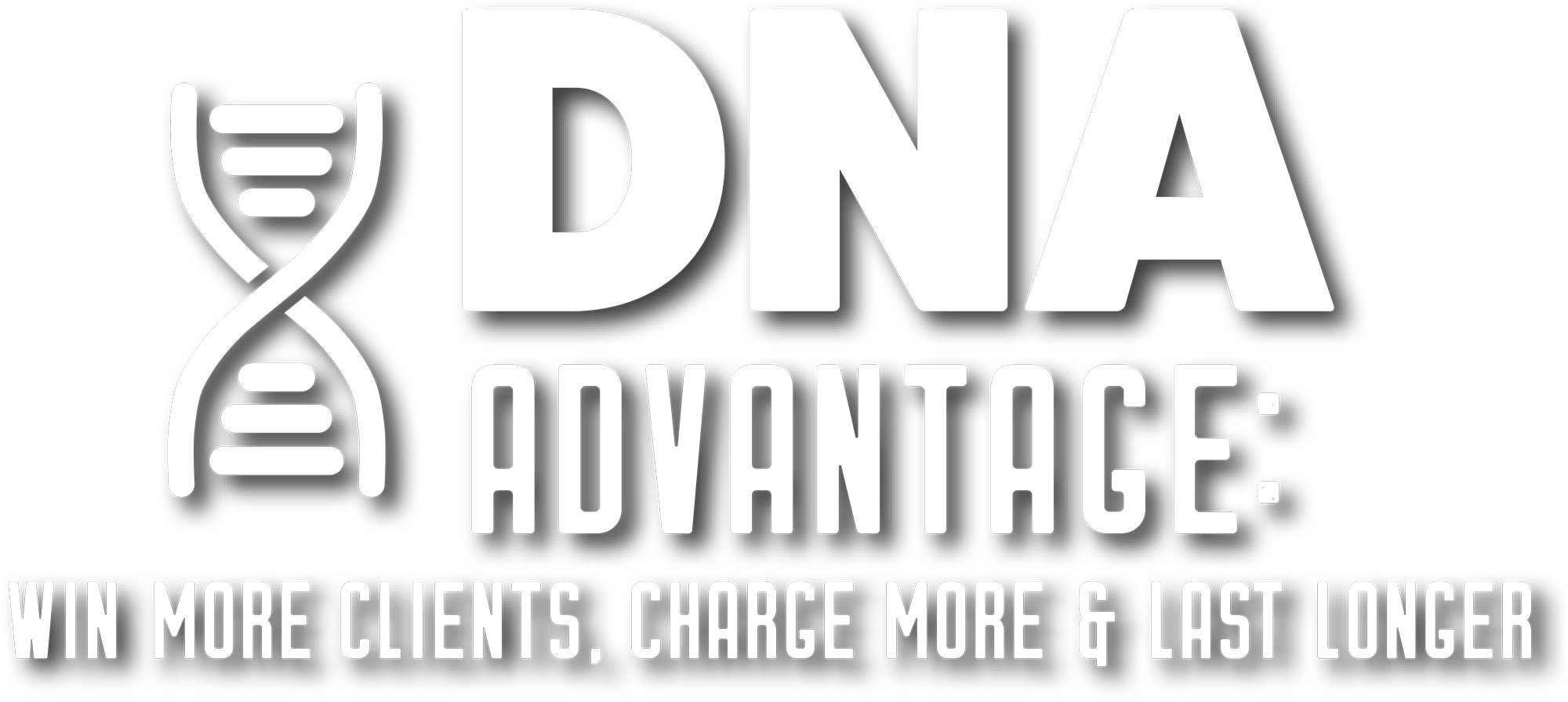
This is what I call your “Business DNA,” and it starts with defining it by digging into the real experiences that prove you are who you say you are, then extracting and repurposing this into marketing assets that prove your business is uniquely you.
These are the things that, when done properly, make you impossible to compare. Such as:
- Your story
- Your standards
- Your beliefs
- Your values
- The reason you do things the way you do
Let’s take a look at the Ritz-Carlton—a non-dog business example of this done properly. They didn’t reach the heady heights of being an industry leader by having comfier beds or a better breakfast than everyone else. They secured their legendary status by being absolutely ruthless about defining who they are. Their business DNA runs through their whole organization—from the staff and the management to the millions of satisfied guests they see each year.
So, how did they do this?
Well, it all starts with the origin story. The Ritz-Carlton as we know it today was built on the philosophy of a guy named César Ritz, who was known as the “king of hoteliers” back in the late 1800s, and his whole thing was to treat guests like royalty. César believed service should feel effortless, staff should anticipate needs and guests should feel important without asking.
Treating canine guests like royalty might be something you have claimed happens in your facility, too. But how can you prove it to new customers who don’t know you yet?
- Their mission
- Their credo
- Their motto
- Their staff training
- Their daily standards
The Ritz Carlton has something called a “credo card.” Every single member of their staff carries one. The credo card reminds them of their mission, their values and the standards they are expected to live by every single day, which states: “The Ritz-Carlton is a place where the genuine care and comfort of our guests is our highest mission.”
They then take it even further by breaking great service down into something you can actually see and measure. They call it the “Three Steps of Service:”
- A warm and sincere greeting, using the guest’s name
- Anticipation and fulfillment of each guest’s needs
- A fond farewell, again using the guest’s name
Behind your mission, vision, standards and values should be real stories and examples that add a level of proof to your claims. This is an exercise worth investing time in; however, don’t rely on AI to spit out a believable business identity. It might sound tidy on the surface, but it will be bland, soul-less and exactly what your competitors will be doing too.
Right now, if you have an existing business, you might be getting away with it because you’ve already got a good local reputation, which means word of mouth is flowing. But things are changing…
The next wave of competition isn’t just another local business setting up down the road. It’s more likely to be a franchise, a multi-site operator or an investor-backed big-box brand. And these businesses don’t rely on “We love dogs” as their marketing strategy. They come in with a clear identity, strong positioning and consistent messaging. They know exactly who they are and, more importantly, so do their customers.
Defining your business DNA is the best way to stand out and protect your future business—because if you don’t define who you are, you’ll fade into the background. And invisible businesses don’t get chosen.
Dom Hodgson is known as the Pet Biz Wiz, and is widely regarded as the World’s leading pet business coach. His mission is to help pet service providers create superior customer service systems that enable them to build an impactful and profitable pet business. Dom has written 10 books and is a much in-demand speaker. You can instantly download a free copy of his latest book “How to Disnify Your Doggy Daycare Business” by going to www.petbusinessmarketing.com/daycaremagic



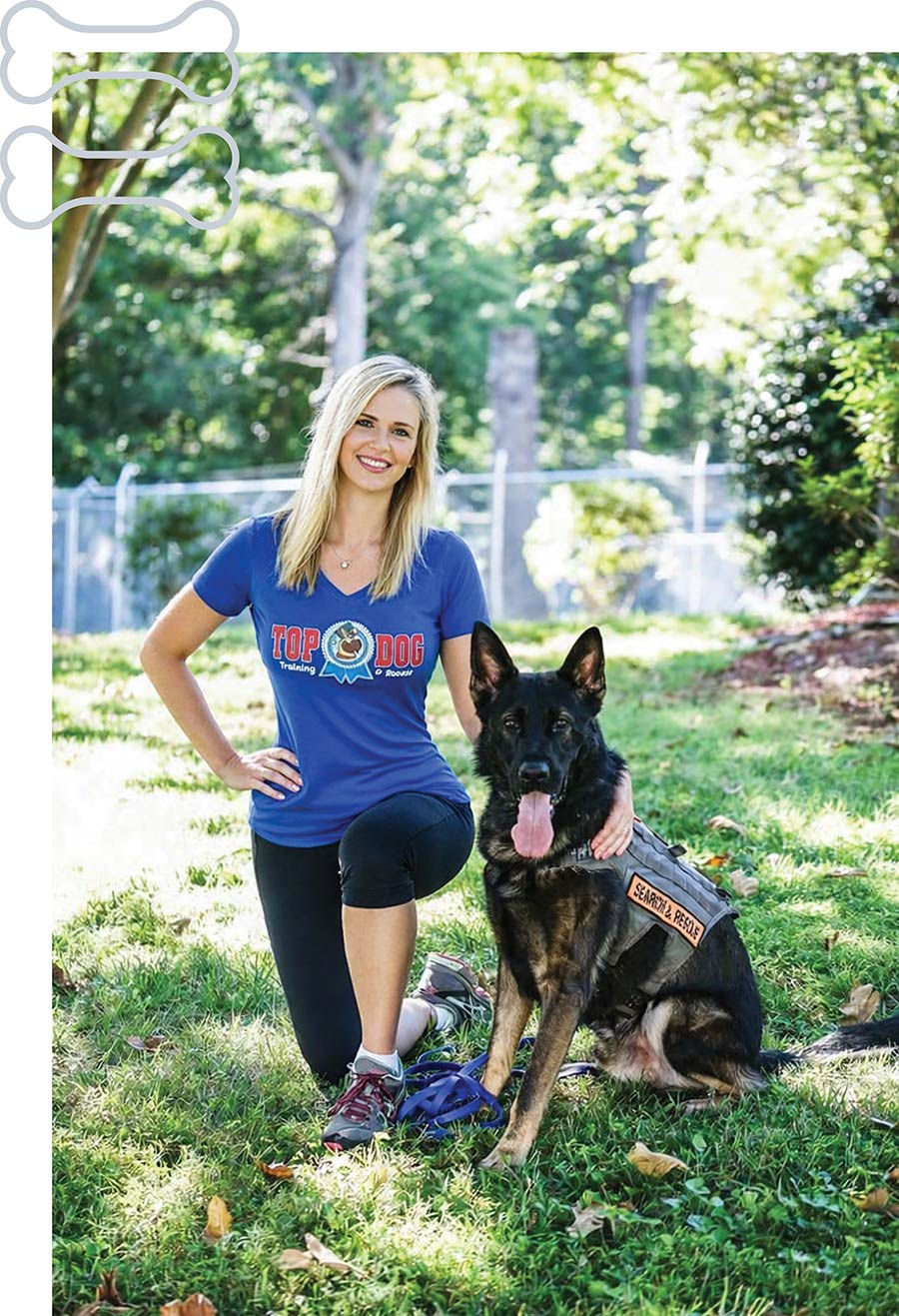
Photos provided by Top Dog Training & Resort
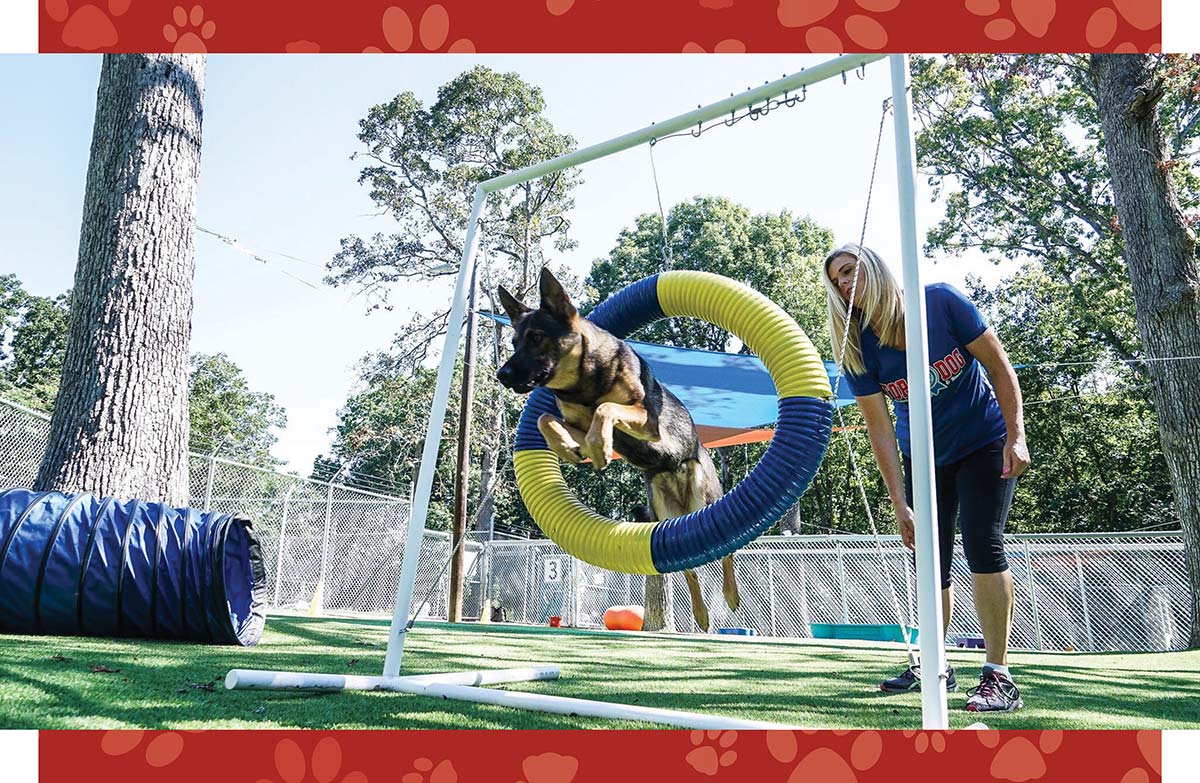
 magine going to a resort destination where the setting feels welcoming and familiar, the activities are engaging and enriching, and the staff is attentive from the moment you arrive until the moment you leave. That’s the kind of experience the dogs at Top Dog Training & Resort in Hillsborough, North Carolina, enjoy every day.
Owner and lead trainer, Jennie Fuller, believes that every dog who walks though her doors should leave more confident, well-behaved and mentally fulfilled than when they arrived. And that philosophy is rooted in something Jennie has believed for more than two decades: Dogs need both mental and physical engagement to truly thrive.
Top Dog’s success didn’t come from simply following basic industry standards for safe boarding, supervised daycare and good customer service. It came from developing an entire program around Jennie’s passion for providing enrichment and her belief that a thoughtfully designed environment can transform a dog’s experience in boarding, daycare and training.
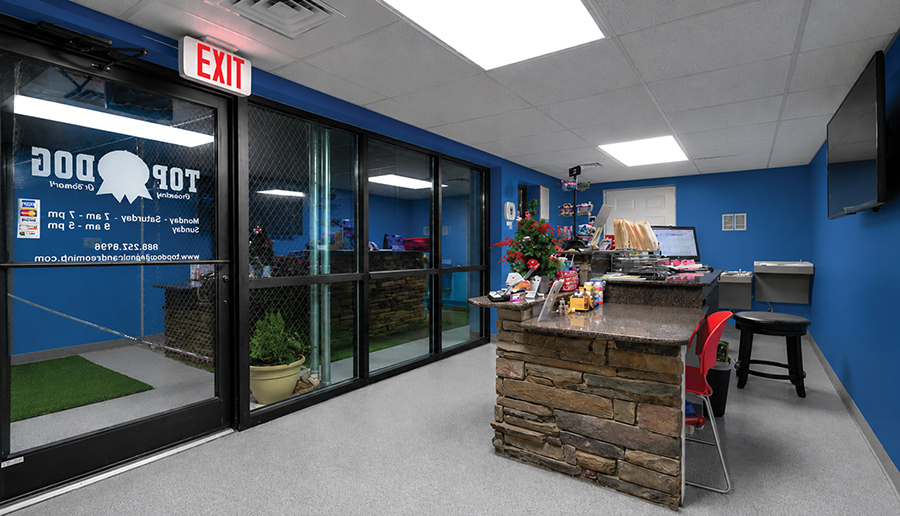
Rather than building a traditional commercial kennel environment, Jennie chose to create something entirely different. Top Dog is situated on five acres and operates from a beautiful 4,300-sqaure-foot home that has been thoughtfully designed and carefully up-fitted to serve as a training and boarding resort.
“I really wanted my facility to be a house,” Jennie explains. “I felt like that would make it easier for the dogs to transition here, and then back to their own homes. It also allows us to create training scenarios that are real-life.”
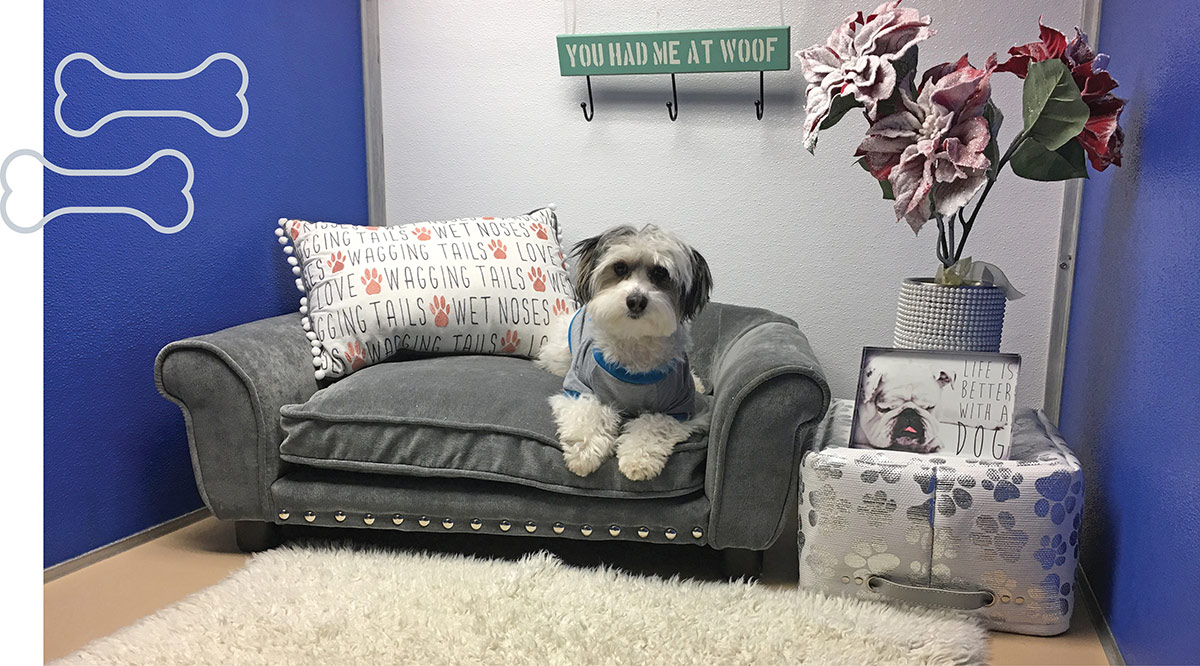


“I firmly believe that a nurturing environment is an essential foundation for both learning and wellbeing,” she adds.
Even the language used inside the facility reflects that philosophy. At Top Dog, they refer to the individual suites as “bedrooms.”
“The ‘bedrooms’ are designed for comfort and safety, featuring elevated orthopedic beds, soothing music, and a clean-air environment supported by UV filtration, air purification systems, and climate control,” explains Jennie.
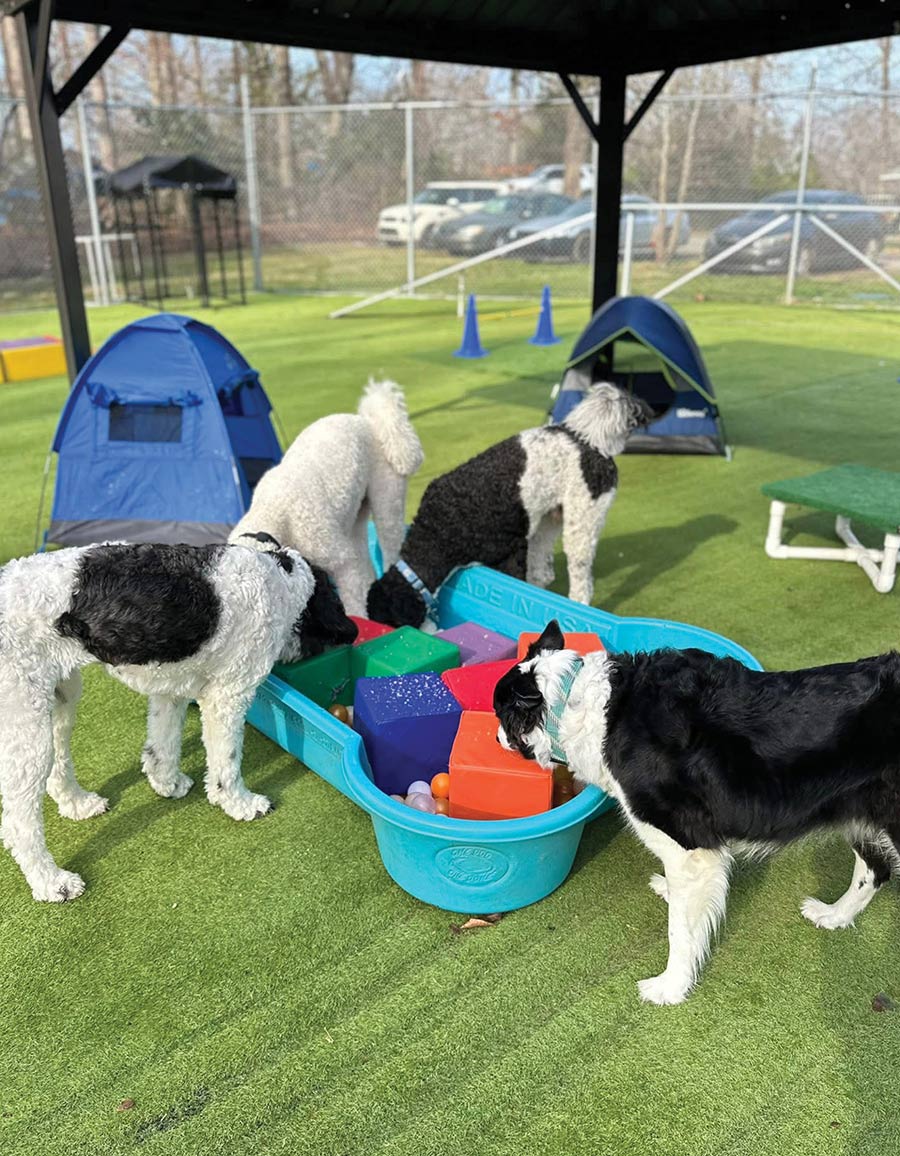
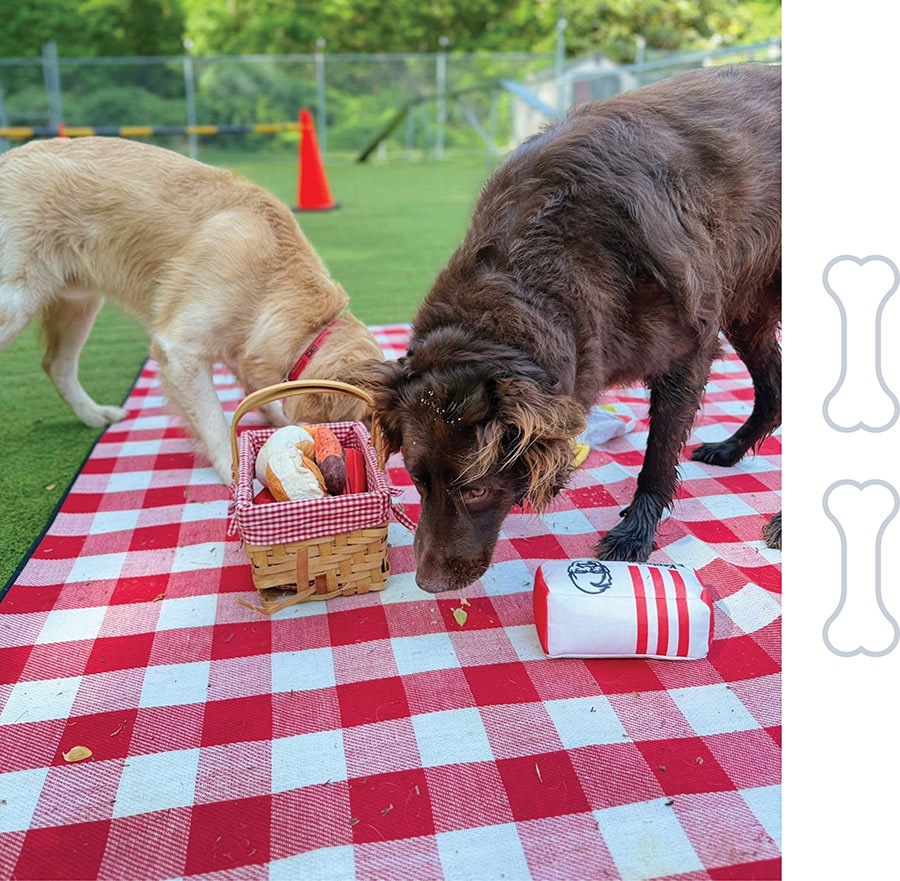
“I am a certified trainer and have been doing enrichment for 22 years,” she shares. “When we opened Top Dog, most people were not yet aware how important enrichment was for dogs.”
Free play has long been a staple of daycare environments, but Jennie saw its limitations.
“While exercise can tire a dog’s muscles, it does not necessarily engage their mind,” she explains. “That difference is my passion and has become the foundation of Top dog’s entire program.”
Through carefully structured activities, the dogs are encouraged to solve problems, navigate obstacles, practice impulse control and build confidence. These experiences challenge both their minds and their bodies while helping the dogs develop important life skills.
“Although we have indoor play yards available for when the weather is bad, we try to keep the dogs outdoors in the fresh air and sunshine as much as possible,” says Jennie.
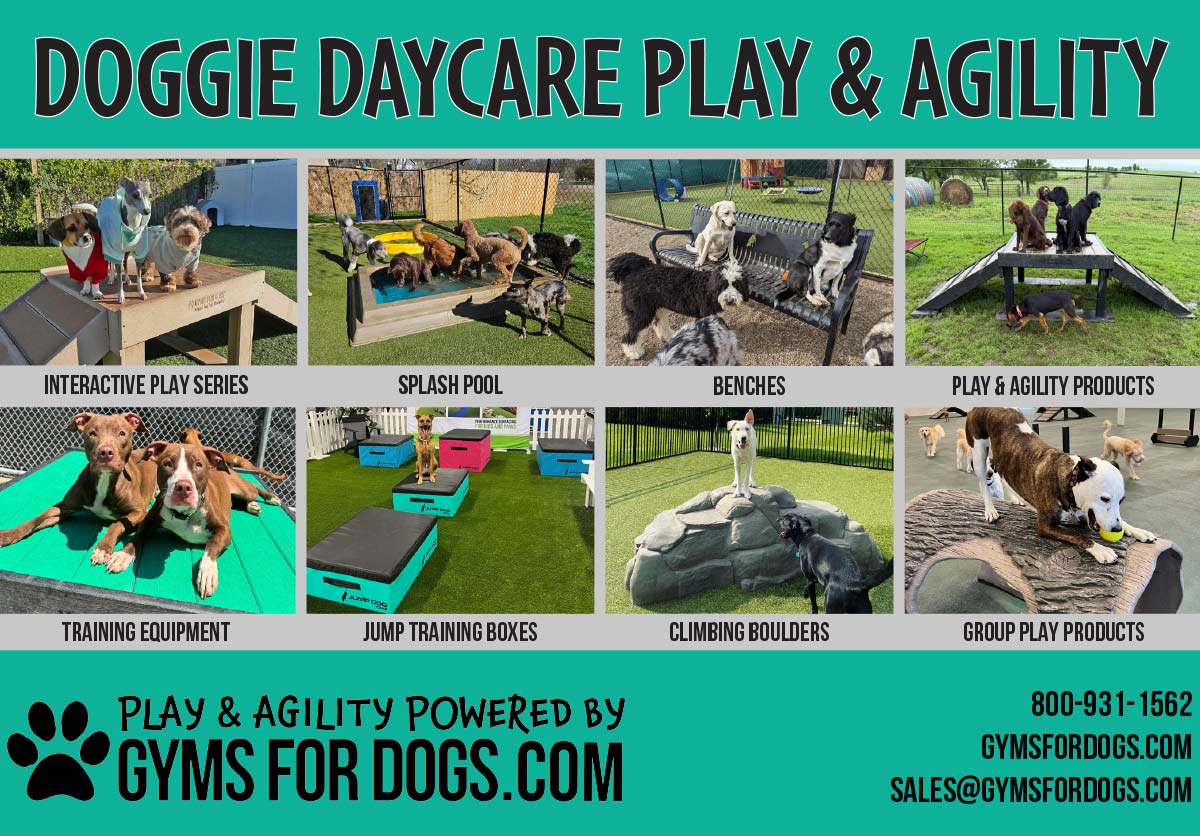
“We put a lot of time and money into our outdoor yards to make an ideal environment for the pups,” she continues. “We have multiple areas which are all covered with artificial turf. They feature lovely shaded pavilions, fun cooling misters, and splash pools to help keep the pups comfortable during warm weather.”
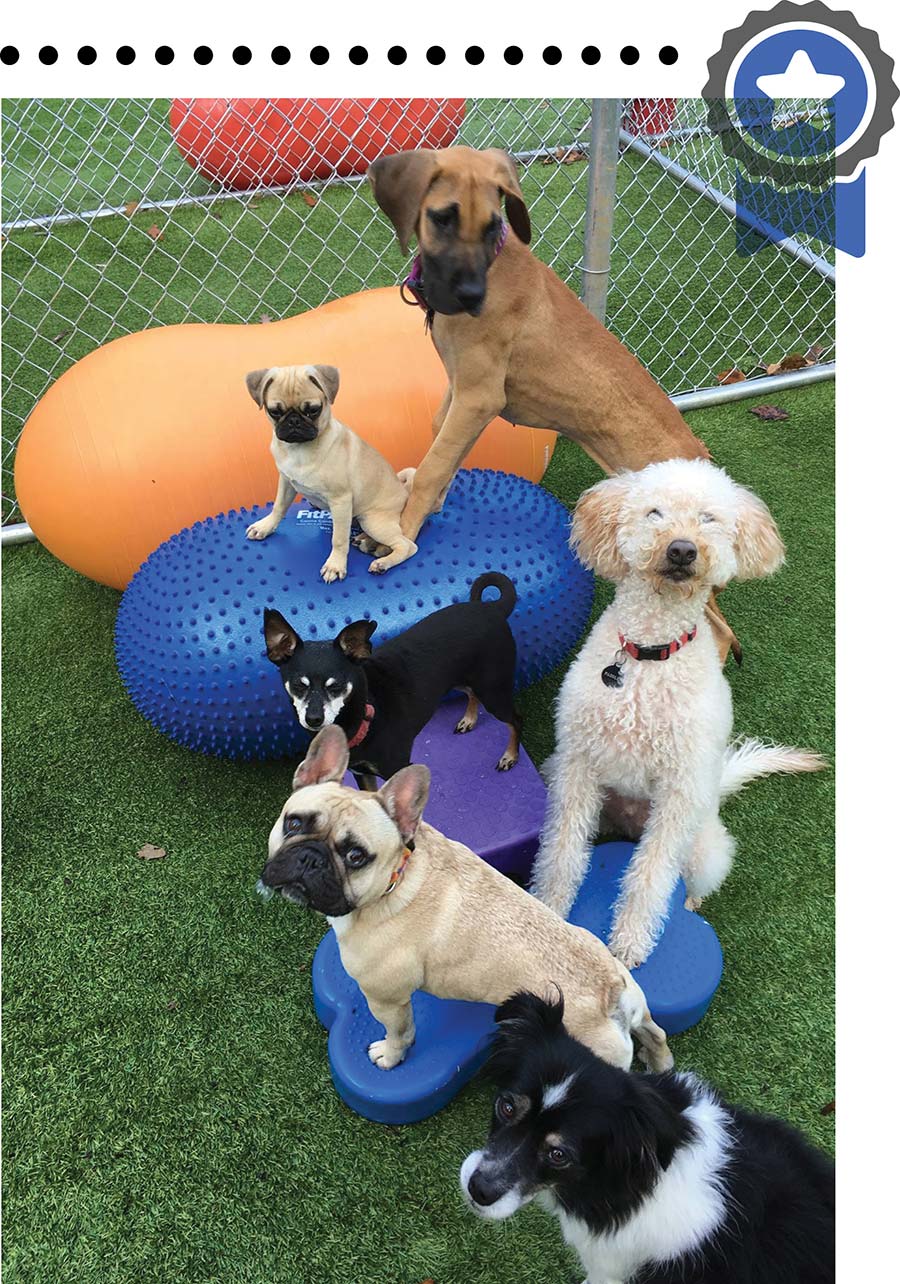
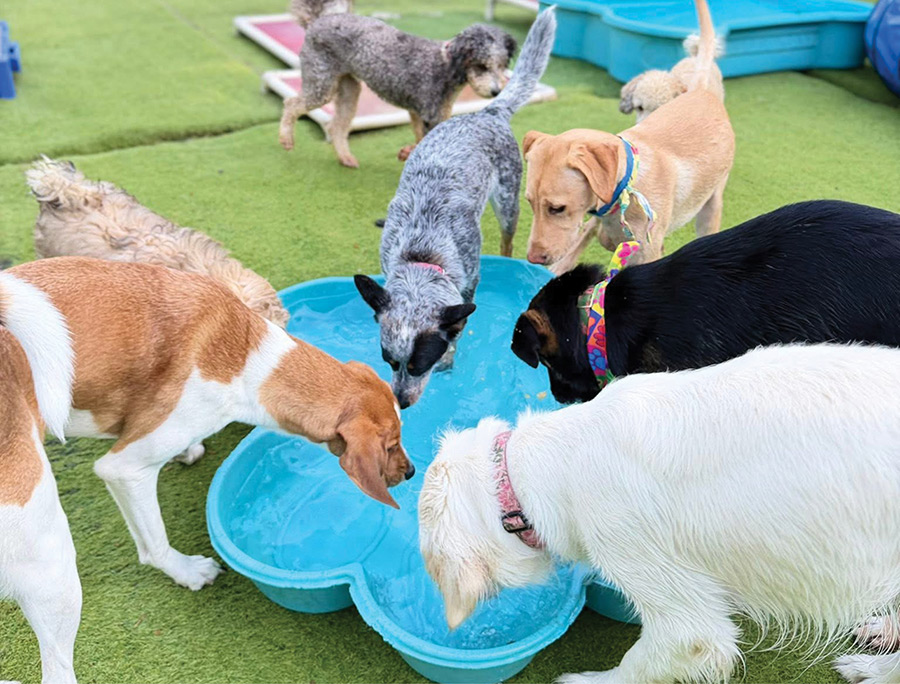
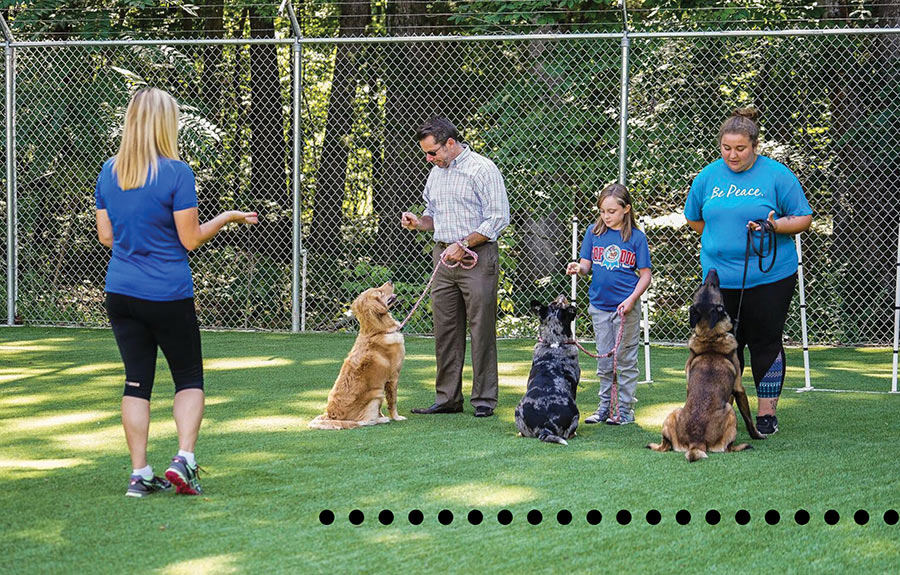
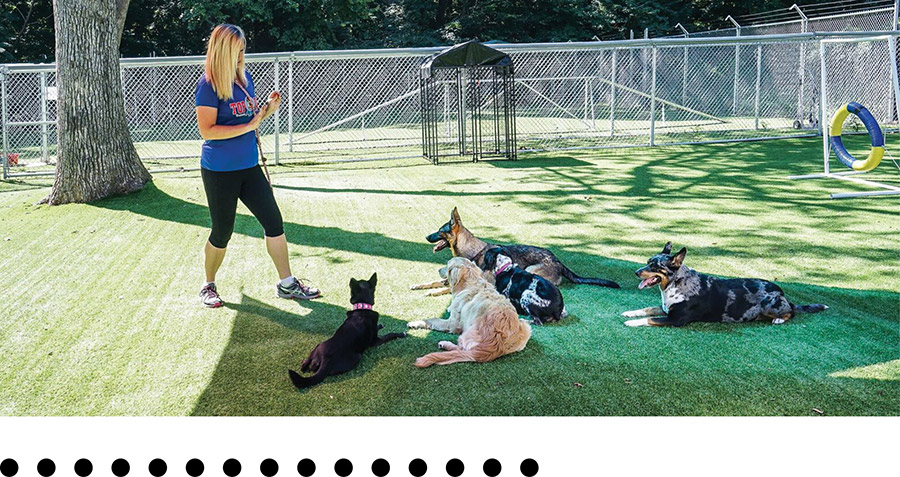
Training is seamlessly incorporated into these activities as well. The dogs practice foundational behaviors such as sit/stay, down/stay and coming when called while working in group environments with distractions.
“Even everyday routines are turned into learning opportunities,” Jennie explains. “The dogs receive continuous training, such as sitting before going in and out of any door. This approach helps reinforce polite behaviors in real-life situations, which translates directly to better manners at home.”
Another key factor that contributes to Top Dog’s success is its strong commitment to communication and transparency with pet owners.
“We post pictures every day so the pet parents can see their dogs in action,” says Jennie. “And, we give them report cards. These daily updates allow owners to see their dogs learning, playing, and progressing. It builds trust while also reinforcing the value of our program.”
Top Dog has introduced subscription-based service packages for their Day School, along with shuttle pick-up and drop-off services throughout the region. These options make it easier for busy families to incorporate services for their dogs into their routines.
“During their last week of training, we take them on field trips to local dog-friendly public places,” Jennie shares. “They get environmental awareness and learn to listen everywhere—not just at Top Dog. Training in these varied environments helps the dogs reinforce learned behaviors in busy settings filled with distractions.”
The program also places strong emphasis on educating each dog’s family. In addition to written instructions, Top Dog creates custom video tutorials starring the client’s dog. These videos demonstrate exactly how owners should give commands and reinforce behaviors once their dog returns home.
Every Board and Train program concludes with a graduation session, where families work one-on-one with trainers and their dog to practice the newly learned skills.
“Support continues even after the program ends,” adds Jennie. “The Board and Train program comes with free lifetime coaching and follow-up. That long-term commitment not only helps clients maintain results—it builds lasting relationships and trust.”
Jennie is quick to credit Top Dog’s team of professionals for helping to bring her vision to life every day, and says she believes that prepared teams create safer environments for both dogs and staff.
“Most of our staff is cross-trained, which allows them to support multiple areas of the operation,” Jennie explains. “I am also a big believer in continuing education. Our staff members are thoroughly trained on the day-to-day operations and also emergency protocols.
“We regularly conduct ‘dog down’ practice drills,” she continues, “which simulate emergency scenarios so staff members can respond quickly and work together effectively if a real crisis occurs.”
But at the heart of Top Dog Training & Resort is Jennie’s life-long passion for helping dogs and their families live better lives together. By combining structured training, enrichment-based daycare and a nurturing home-like boarding environment, she has created a facility where dogs are challenged, encouraged and supported in ways that help them grow into more confident, balanced companions.


Photos provided by Cat Naps Cattery
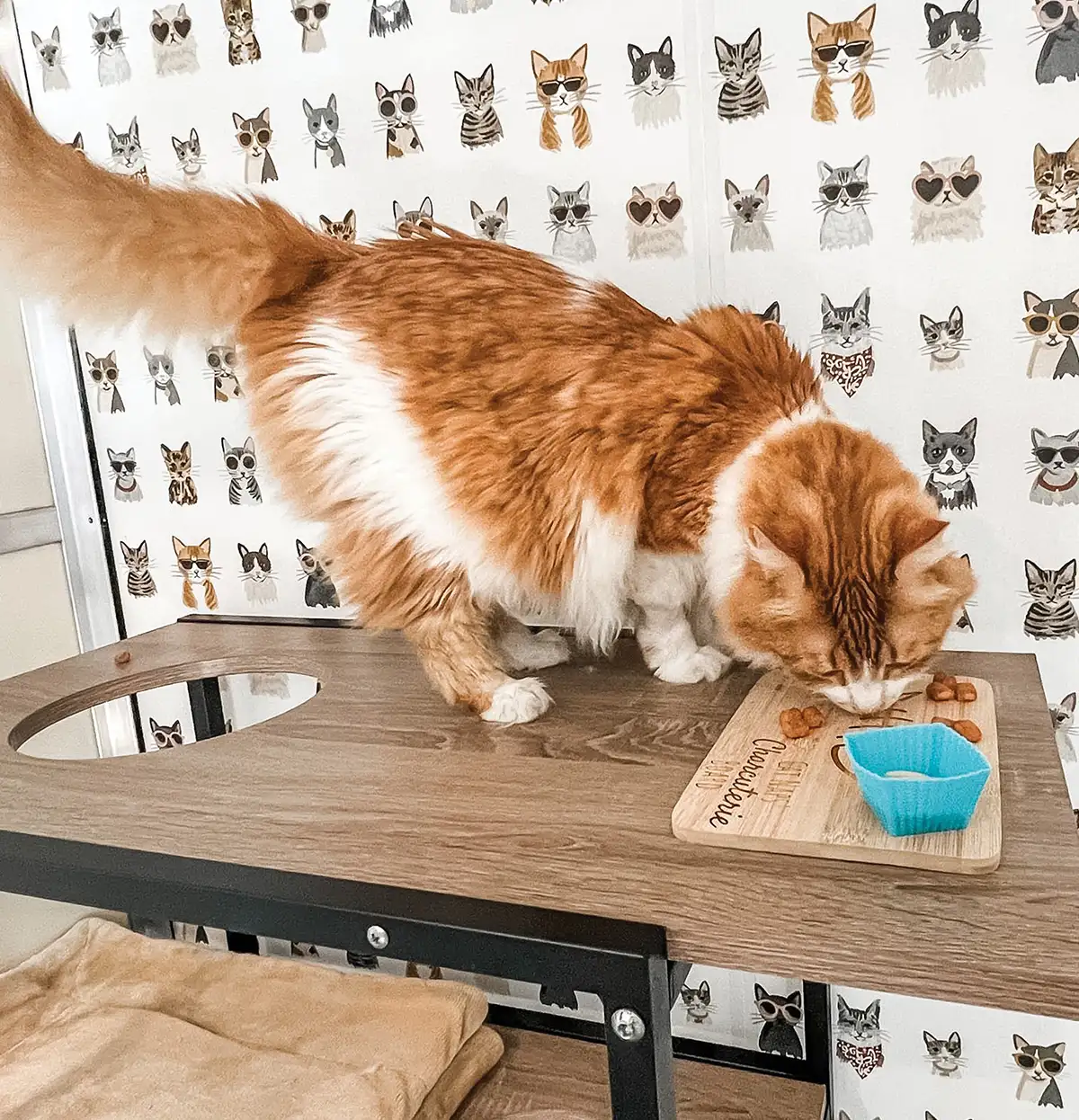
 ith an approach rooted in observation, adaptability and a clear understanding that cats are anything but low maintenance, cat boarding is not an afterthought tucked into a dog-focused facility at Cat Naps Cattery in New Jersey—it is a carefully designed experience built entirely around how cats think, behave and adjust to new environments. From layout and daily routines to staff training and client expectations, the following provides an inside look at what it really takes to create a boarding program that works for cats, not just for convenience.
At the core of Cat Naps is a simple but intentional philosophy: Create a calm, quiet environment, maintain a predictable routine and adjust care to each individual cat. Many of their clients are boarding their cats for the first time, which means the environment has to support both nervous and confident personalities at the same time.
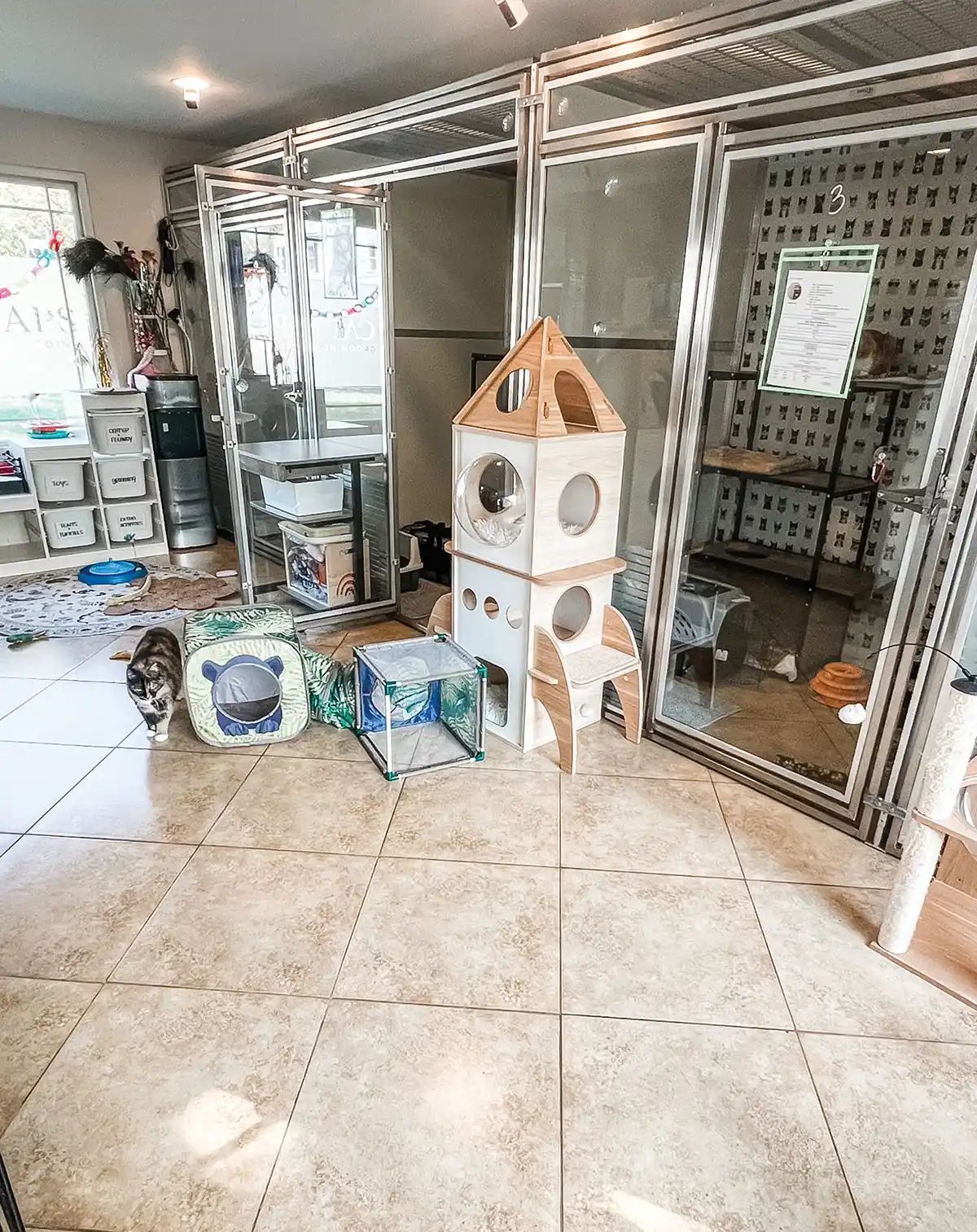

Cats rely heavily on their sense of smell, so if materials cannot be properly cleaned, they may still carry lingering scents or even germs from other cats, which can create unnecessary stress and spread illness. At the same time, the layout allows staff to see and access every part of the cat’s room without disrupting them.
Like most well-designed animal care environments, the final setup came through a fair amount of trial and error, refining what worked best for both the cats and the team.
Cleaning is handled in layers throughout the day. Litter boxes are scooped as needed, while more thorough cleaning takes place during each cat’s individual playtime outside their room. This allows staff to spot-clean and tidy any messes in the space while the cat gets time to explore the general play area, which is thoroughly cleaned between play times.
Since cats are more comfortable in spaces that smell like themselves, they don’t typically do a full-room turnover during the cat’s stay. But they do make sure each cat always has a clean litter box, fresh water, food (if on a free-fed schedule), clean bedding and safe toys.
Playtime itself varies depending on the time of day and the cat’s personality. Midday tends to be more active, with wand toys and interactive games, while late afternoon often shifts into quiet rest, with many cats settling into sunny nap spots.
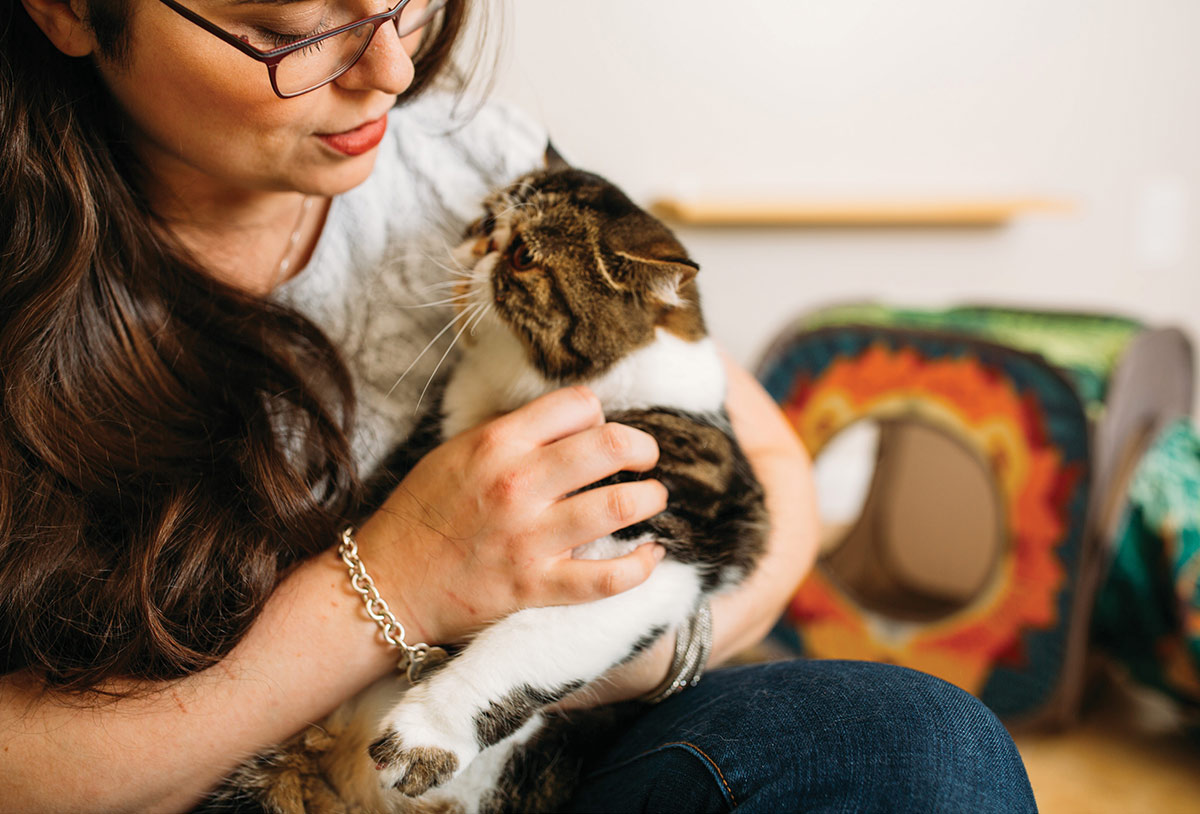

Some of the biggest breakthroughs happen in the later hours when the facility is quieter and there is less activity. Many cats that remain hidden during the day will begin to explore and interact in the evening, making those slower moments an important part of the trust-building process.
A key part of reducing stress is giving cats a sense of control over their environment. Each room includes a variety of toys, and additional enrichment is rotated through the larger play space to see what each cat responds to. Staff track their play preferences so they can build on what works, creating a more engaging experience over time.
Photo updates, in particular, play a significant role for clients who may be nervous about leaving their cat in a new environment. Providing regular updates helps bridge that gap, reinforcing trust and giving owners reassurance that their cat is comfortable and cared for.
Grooming is another focus at Cat Naps, and from a client perspective, it is a major convenience. Grooming add-ons, such as nail trims or brushing, are especially popular before cats return home.
As with everything else, timing is based on the individual cat and how they are handling their stay, ensuring that services are added in a way that supports rather than disrupts their experience.
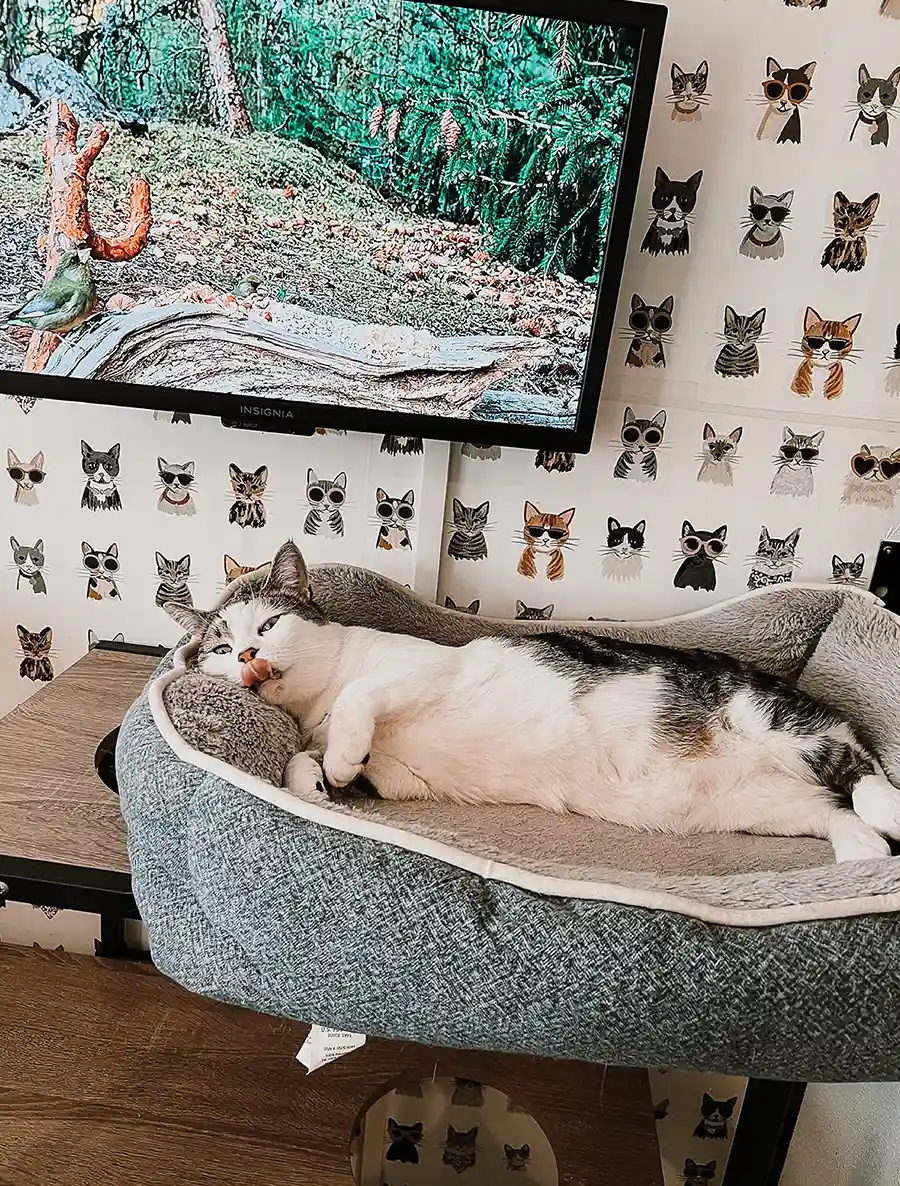

Just as important is demonstrating an understanding of each individual cat—not just general feline behavior. That combination of knowledge and attentiveness helps build the trust clients are looking for.
One of their simplest evaluation tools is also one of the most revealing. During interviews, candidates are brought into the boarding area and observed. Those who immediately try to reach out and touch unfamiliar cats often lack the natural caution needed for safe handling. At the same time, staff must be calm and steady in their responses. Being startled is expected, but reacting with loud noises or sudden movements can escalate a situation.
Ongoing education is an important part of training, helping staff continue to build their understanding of feline behavior and improve their handling skills over time. The more staff are able to read body language and adjust their approach, the more engaged and comfortable the cat becomes, both during their first and future stays.
At its best, cat boarding is not about containment, but about creating an environment where cats can feel safe, adjust at their own pace and express their natural behaviors. At Cat Naps Cattery, that comes down to thoughtful design, consistent routines and a willingness to adapt to each cat as an individual.




 n the 100+ billion-dollar pet care industry, boarding facilities are constantly seeking new ways to stand out, build client loyalty and diversify revenue. One increasingly compelling—and underutilized—strategy is offering on-site chiropractic care for boarded animals once a month. Far from an added expense, it can become a smart, low-risk profit center and a win for pets, clients and your bottom line.
- Low cost, high impact: Chiropractors bring their tools and expertise, requiring minimal setup.
- Revenue share or service fee model: Facilities get a cut from each session or charge a premium package rate and pay the chiropractor as a 1099 employee.
- Repeat usage: Health benefits encourage clients to book longer stays or recurring chiropractic visits.
Over time, even modest margins per visit can layer into a meaningful additional revenue stream.


By welcoming a certified animal chiropractor to your facility on a monthly basis, you’re not just offering a service—you’re elevating your brand. You demonstrate a commitment to animal wellness that goes beyond mere boarding, launching a revenue-generating, reputation-building, future-forward offering.
With minimal setup and clear client outcomes, it’s an all-around win: Pets feel better and settle in quicker, owners feel reassured and rewarded, and your business builds an attractive, profitable and differentiated offering. It’s time to turn wellness into revenue—one gentle adjustment at a time.
“Dr. O” started his veterinary career as a mixed animal mobile practitioner which is when he discovered animal chiropractic. Animal chiropractic helped him to build a foundation for understanding health in animals that he was eager to share with other doctors like himself. Because of this he has been the backbone of more than one animal chiropractic program. He continues to find innovative ways to help animal chiropractors grow their practice, educate their clients and help more animals. He is the author of the books, “Yes! It is Really A Thing” and “Yes, It’s A Better Thing,” and currently teaches at Animal Chiropractic Education Source. Visit him at www.yeschiro.com
- How Chiropractic Care Can Improve Your Dog’s Mobility and Health. (2025, May). https://www.petworks.com/articles/chiropractic-care-for-canines/


By Emma Chandley
 t’s increasingly common for boarding facilities to care for older dogs alongside younger, more active ones. Quite a few of these senior guests will have underlying conditions that may be stable at home, but they often rely on familiar routines to keep things that way. A change in environment can unsettle that balance.
For staff working in boarding settings, it is important to maintain these dogs’ comfort and stability during what can be a significant disruption to their normal routine. Small adjustments in care can make a noticeable difference to how well older dogs cope during their stay.
At home, these are often well-managed with medication, environmental adaptations and consistent routines. In a boarding environment, however, those supports can be less familiar, and even subtle changes may affect factors such as appetite, mobility and general behavior.
Owners are often very aware of what is normal for their pet, and small details can be extremely useful. For example, whether the dog hesitates before jumping onto a sofa, prefers a certain sleeping position or has become more restless at night are all observations that can help staff recognize early signs of a problem.
Medication routines should be clarified carefully. Timing, dosing and method of administration all need to be recorded accurately. It is helpful to confirm whether any medications must be given with food or whether missed doses could have clinical consequences that need veterinary attention. It is also important to obtain the details of the dog’s regular veterinary practice in case advice is needed during the stay.

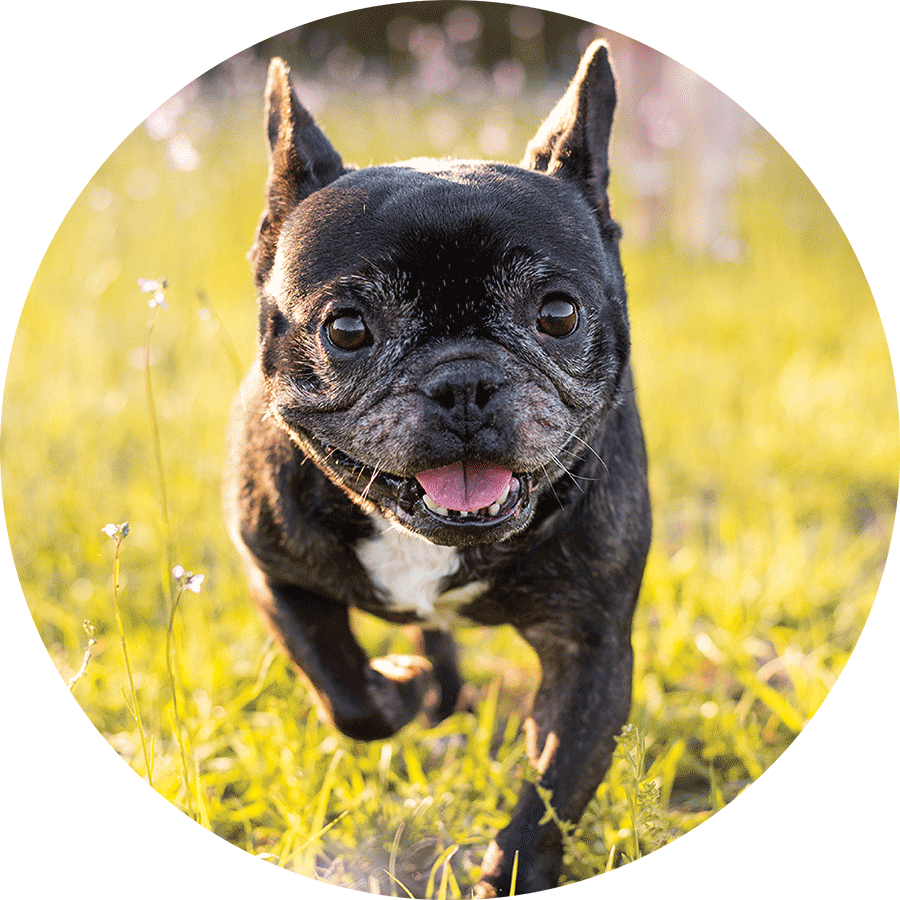
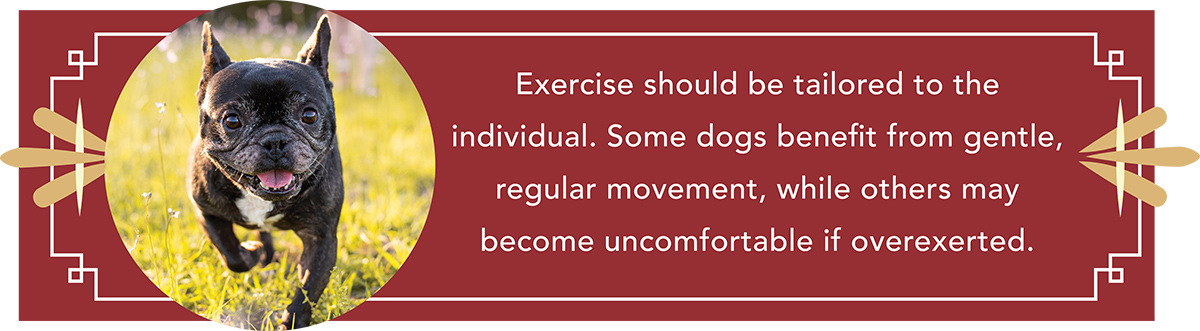
Exercise should be tailored to the individual. Some dogs benefit from gentle, regular movement, while others may become uncomfortable if overexerted. Matching activity levels to what the dog is used to at home is a sensible approach.
It is also helpful to monitor how a dog rises from rest, their willingness to walk and any changes in gait. A dog that becomes progressively slower or reluctant to move may be experiencing discomfort, even if they are not overtly lame.
Consistency in care is very important. Feeding routines, medication schedules and general daily structure should be kept as close as possible to the home environment. Sudden changes can destabilize otherwise well-controlled conditions.
For dogs with cardiac disease, avoiding excessive stress and overheating is important. Those with endocrine conditions may be more sensitive to changes in feeding or medication timing. Diabetic dogs, in particular, require careful coordination of feeding and insulin administration.
Staff should be aware of the signs that a condition may be becoming unstable. Increased respiratory effort, changes in appetite or thirst, vomiting, diarrhea, or lethargy should always prompt further assessment and, where appropriate, veterinary input.
Maintaining a calm and predictable environment can help. Keeping lighting consistent, reducing unnecessary noise, and avoiding frequent changes in location or routine can all be beneficial.
Some dogs may also show increased anxiety or reduced tolerance of other dogs. Individual housing or quieter areas may be more appropriate for these guests.
Monitoring intake is important. A short period of reduced appetite may not be unusual, but ongoing refusal to eat should be taken seriously, particularly in dogs with underlying health conditions.
Hydration should also be observed. Increased or decreased water intake can be an early indicator of a problem, especially in dogs with renal or endocrine disease.

Some older dogs can be more resistant to medication when stressed. Where possible, using familiar methods such as hiding tablets in food can help, although this should be confirmed with the owner in advance.
Accurate record-keeping is also essential. Missed or incorrect doses can have significant consequences, particularly for conditions such as epilepsy or diabetes.
A dog that is quieter than expected, less engaged with staff or slower to respond may warrant closer observation. Similarly, changes in posture, breathing, eating, drinking or bathroom habits can provide early clues.
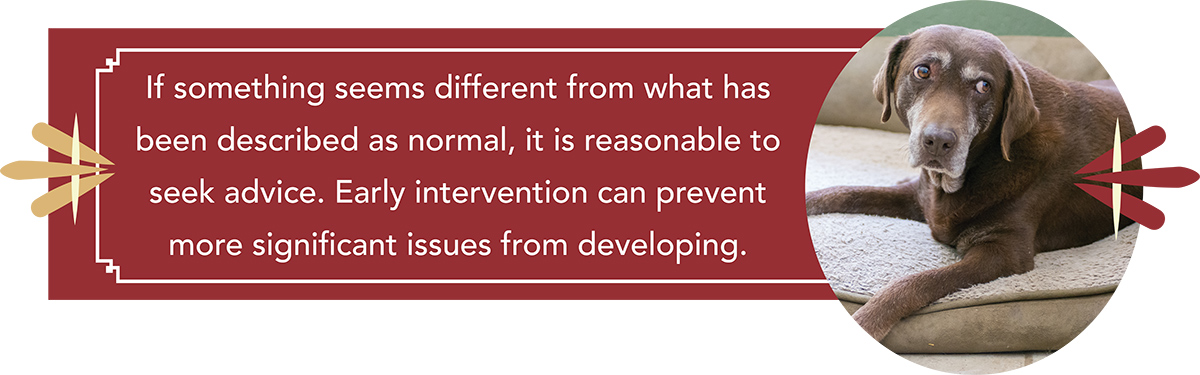
Trusting these observations is important. If something seems different from what has been described as normal, it is reasonable to seek advice. Early intervention can prevent more significant issues from developing.
Communication with the owner should be maintained, but delays in seeking veterinary advice can compromise outcomes. It is always better to err on the side of caution.
Minimizing noise and activity around more sensitive individuals can reduce stress. Some dogs benefit from being housed away from busier areas of the facility. Where possible, maintaining elements of the home routine, such as feeding times or preferred sleeping arrangements, can help dogs feel more secure.
Encouraging a culture of observation and communication within the team allows small concerns to be raised early. This is particularly important in busy environments where subtle changes can otherwise be overlooked.
Older dogs can do very well in boarding environments when their needs are understood and supported. Most do not require increased stimulation but rather consistency, comfort and a low-stress setting.
Attention to detail tends to make the biggest difference. Keeping routines steady, monitoring for small changes and responding to issues promptly helps maintain stability during their stay. With a thoughtful approach, boarding can remain a safe and positive experience, even for dogs with more complex needs.

By Fernando Camacho
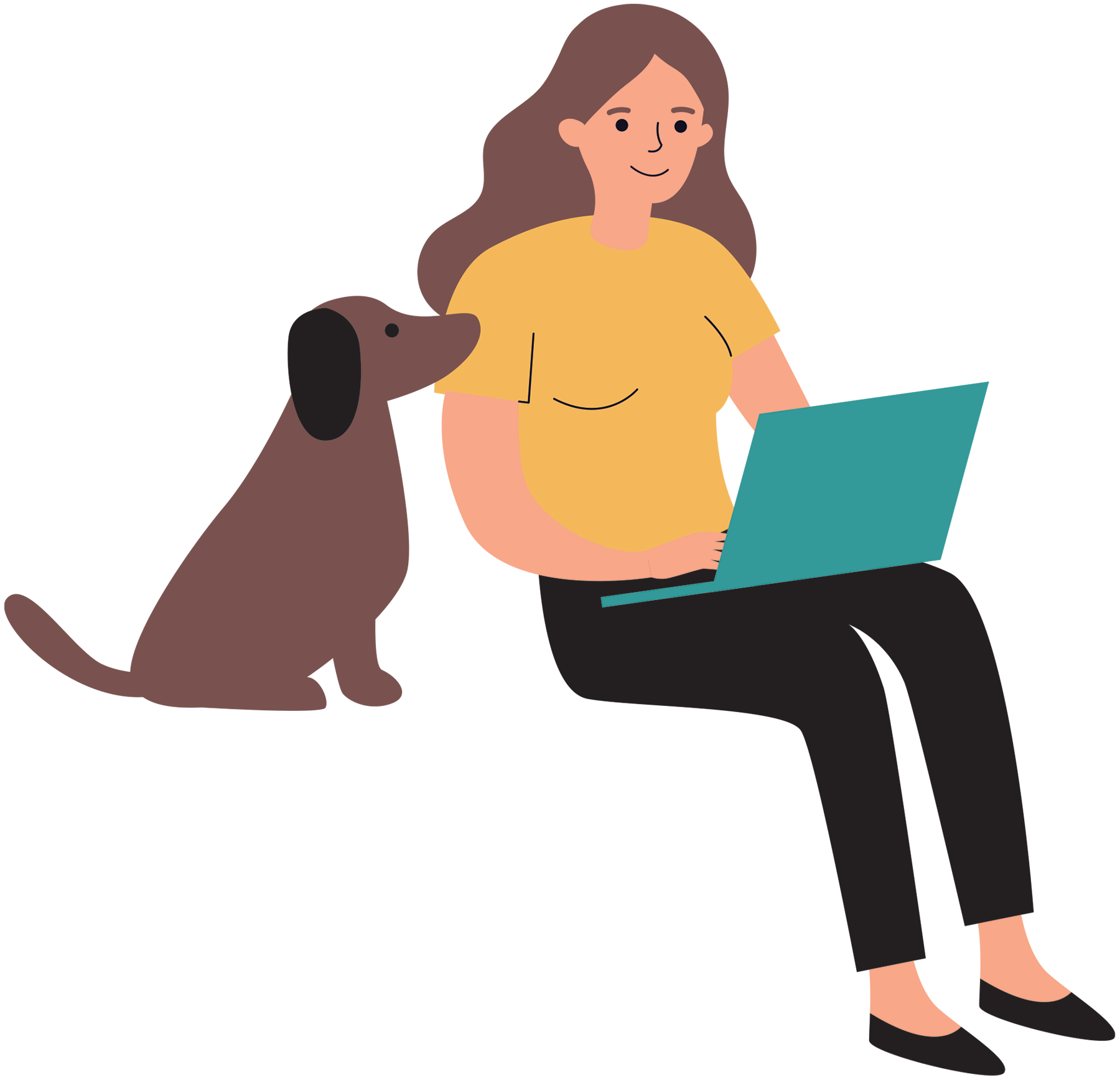
 acebook is still the most powerful marketing platform for pet businesses. But the single biggest mistake pet resort owners make is treating Facebook like a one-note channel. They either post random content and hope something sticks, or they run one ad to everyone and wonder why it’s not converting.
The businesses that are actually winning on Facebook are running a three-tiered strategy—cold audiences, engaged viewers and hot prospects—and they’re creating content and ads that speak specifically to each one. Here’s how it works:
Cold audience content is all about education and awareness. Your job is to show up, be helpful and start building trust. Think short tips about dog behavior, fun facts about the benefits of daycare or a quick “did you know” about socialization. You’re not asking for anything yet—you’re just introducing yourself and giving them a reason to pay attention.
On the ad side, video works really well here because Meta will let you retarget people who watched it later—which is exactly how you move them to tier two. Educational carousels, awareness posts and value-first content all belong in this tier. The goal is simple: Get on their radar and make a good first impression.

This is where you go deeper. Showcase what makes your facility different. Share behind-the-scenes content like what a day looks like at your resort, how your staff handles anxious dogs or what sets your grooming services apart. Introduce your team. Show the actual experience of being a client.
This tier is also where social proof lives. Client testimonials, transformation posts, a spotlight on a dog who had a breakthrough in daycare—all of that content builds the kind of trust that moves people closer to a decision. You’re not selling yet; you’re elevating yourself as THE dog place in your area—the go-to, the obvious choice.
This is where you bring the offer; a direct call to action, such as: “First day of daycare is free—come see why tails are always wagging here!” or “Labor Day boarding spots are almost full, reserve your pet’s suite now!” Keep it short, benefit-focused and clear on what to do next.
On the ad side, it’s best to send these leads to a Facebook lead form rather than a website, as it keeps the friction low and makes it easy to follow up fast. You can also layer in urgency here when it’s real. If you’re filling up for a holiday weekend, say so. People respond to that.
The targeting for this tier is also different. Go after people who already follow your page, who have engaged with your content or who have watched a video you ran as a tier-one ad. These people are warm—they just need the final nudge.

If you’re running ads for a few weeks and then going dark for a month, you’re losing all the momentum you built. The whole point of this strategy is that you’re always moving people through the process—new people coming in cold, warm people getting nurtured, hot prospects getting an offer.
Do an honest audit of your current Facebook strategy. Are you hitting all three tiers, or are you stuck in one lane? Build a content calendar that rotates through all three to keep your pipeline moving.
Facebook done right is not complicated, but it does require intention. Show up consistently, speak to where people actually are and give them a reason at every stage to take the next step.
Fern is the founder of Overdog Digital, a digital marketing & consulting agency that helps dog daycare and boarding facilities attract, convert, and keep more customers by creating winning marketing campaigns and providing the business guidance to build momentum and spark long-term growth. Fern also has programs to train daycare staff, is a dog behavior consultant, and has a dog training business in New Jersey. He is the author of eight books and a popular speaker at national conferences and private events. To join The Dog Daycare Business Think Tank or ask a question, go to: www.facebook.com/groups/dogdaycarethinktank

New Products


Learn to do right; seek justice. Defend the oppressed. Take up the cause of the fatherless; plead the case of the widow.
Isaiah 1:17 ● NIV BIBLE
Isaiah 1:17 ● NIV BIBLE