

Business



 alk into any successful pet care facility and you’ll find two essential roles at play—those who lead and those who manage. Some individuals do both, but understanding the distinction between the two is critical for keeping your team motivated, your processes efficient and your clients (both human and furry) happy.
In an industry where emotions run high, work is physical and schedules are unpredictable, knowing the difference between leading and managing isn’t just good theory—it’s vital for operational success.
A manager, on the other hand, brings that vision to life through execution. They focus on how things get done: schedules, checklists, follow-ups, accountability, etc. They ensure every dog gets their medications, every yard gets cleaned and every task gets checked off the list.
Think of a leader as the “why” and a manager as the “how.” Both are necessary. One without the other can create chaos or burnout. Leaders without management create big dreams and no structure. Managers without leadership can keep a place clean but uninspired.
Managers focus on process. They build the structure and enforce the standards that keep the business running. From scheduling and payroll to making sure SOPs are followed, managers handle the “nuts and bolts.” And both matter.
A leader might notice a team member is burning out and offer support. A manager notices someone is frequently late and takes appropriate corrective action. Together, they keep people accountable and cared for.

Managers typically hold a formal title and the authority to make decisions. Their role is to direct, evaluate and correct. While they can be leaders, not all are.
Too often in our industry, someone gets promoted to manager because they’re a high performer…but no one checks whether they can actually lead people. On the flip side, natural leaders are sometimes overlooked because they’re not in a formal role. This is a missed opportunity.
When you identify someone with influence—even without the title—you’ve found a potential leader worth investing in.
Pets thrive with structure, clients trust consistent care, and staff stay longer in environments where they feel respected and supported. You need both leadership and management to make that happen.
Without leadership, you lose engagement; without management, you lose control. When both are present, you have empowered teams, consistent service, strong culture and clear expectations.
In fact, many of the issues pet care facilities face—high turnover, burnout, poor morale, inconsistent service—can be traced back to a lack of clarity around leadership versus management.


- Train for Leadership Early: Don’t wait until someone is promoted. Teach communication, emotional intelligence and mentorship skills at the technician level. Let team members lead huddles, coach new hires or take ownership of a project.
- Support Managers with People Skills: Management isn’t just about tasks—it’s about people. Make sure your leads and supervisors are equipped with tools to give feedback, coach performance and navigate conflict. Don’t assume these skills come naturally.
- Recognize Both Contributions: Publicly celebrate team members who complete their checklist and those who lift team morale. Let your team see that process and people matter equally. A facility can’t run on performance alone—nor on inspiration without follow-through.
- Create Dual Career Paths: Not every great team member wants to manage people, and not every manager wants to handle high-level projects. Build pathways that allow your team to grow as either a manager, a leader or both. For example, a Lead Tech may focus on training new hires, while a Supervisor focuses on reporting and scheduling.
Whether you’re hiring, promoting or developing talent, ask yourself: Can this person influence others in a positive way? Can they manage time, tasks and outcomes effectively? Do they build trust and deliver results?
If the answer is yes to all of the above, you’ve found someone who can lead and manage—and that’s a combination worth its weight in kibble.
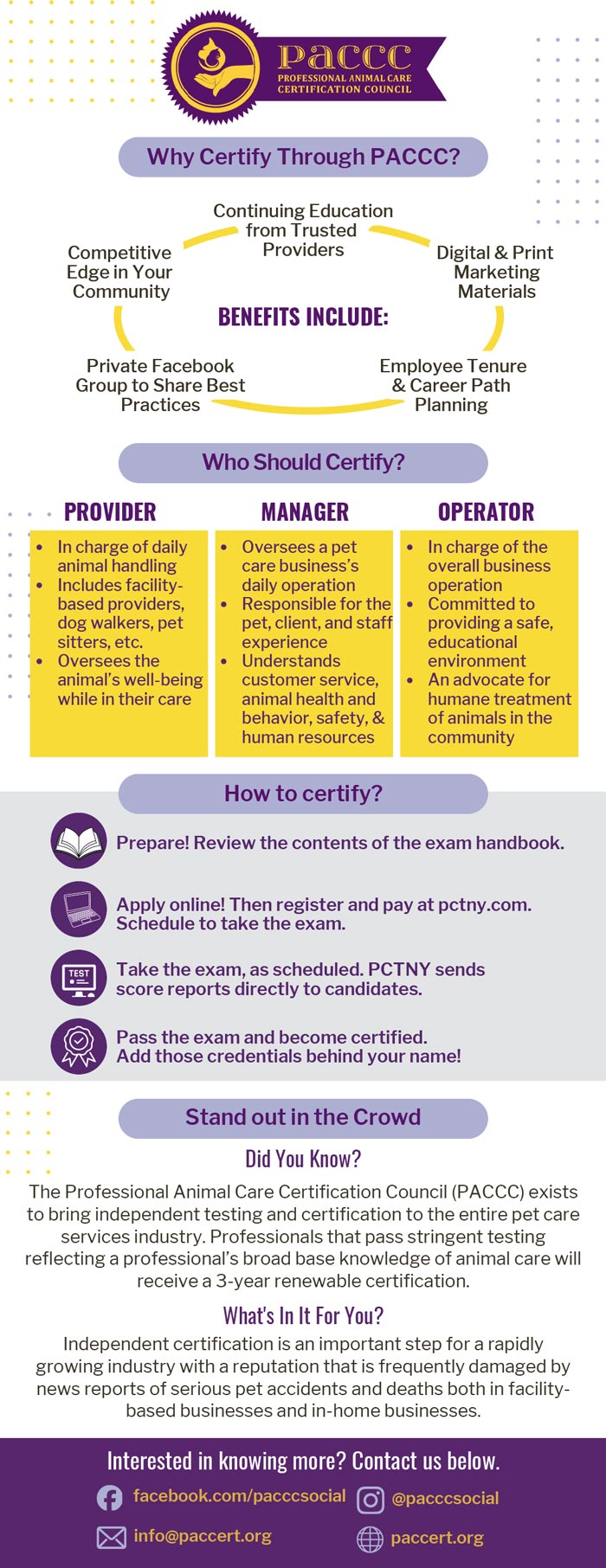
Jennifer Wolf-Pierson is the National Safety Manager for Best Friends Pet Hotels, supporting over 80 pet care locations across 25 states and growing. She brings years of hands-on experience partnering with pet care and veterinary business owners to strengthen safety culture, streamline operations, and implement scalable, field-ready systems. Jennifer is a Board Member of the Professional Animal Care Certification Council (PACCC), a published author, and a frequent speaker on safety, leadership, and operational excellence in the pet care industry. She holds a BS in Agricultural Science from Colorado State University and maintains certifications as a CPACO, CPDT-KA, and PetTech CPR & First Aid Instructor.