




By Emma Chandley
 t’s increasingly common for boarding facilities to care for older dogs alongside younger, more active ones. Quite a few of these senior guests will have underlying conditions that may be stable at home, but they often rely on familiar routines to keep things that way. A change in environment can unsettle that balance.
For staff working in boarding settings, it is important to maintain these dogs’ comfort and stability during what can be a significant disruption to their normal routine. Small adjustments in care can make a noticeable difference to how well older dogs cope during their stay.
At home, these are often well-managed with medication, environmental adaptations and consistent routines. In a boarding environment, however, those supports can be less familiar, and even subtle changes may affect factors such as appetite, mobility and general behavior.
Owners are often very aware of what is normal for their pet, and small details can be extremely useful. For example, whether the dog hesitates before jumping onto a sofa, prefers a certain sleeping position or has become more restless at night are all observations that can help staff recognize early signs of a problem.
Medication routines should be clarified carefully. Timing, dosing and method of administration all need to be recorded accurately. It is helpful to confirm whether any medications must be given with food or whether missed doses could have clinical consequences that need veterinary attention. It is also important to obtain the details of the dog’s regular veterinary practice in case advice is needed during the stay.


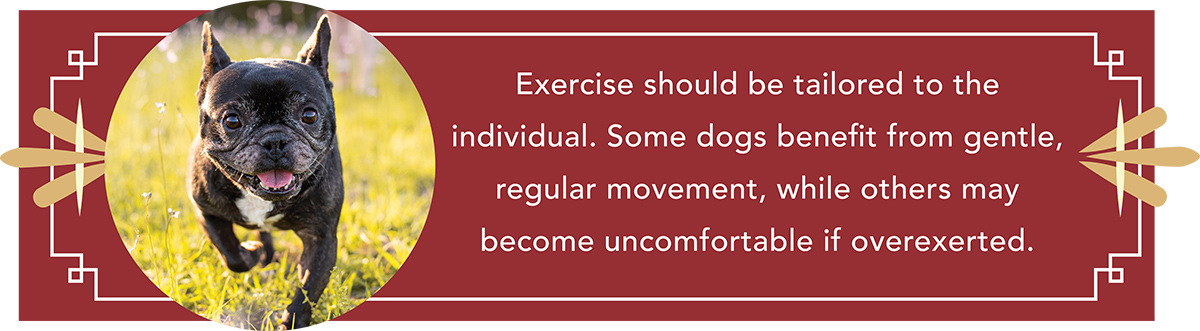
Exercise should be tailored to the individual. Some dogs benefit from gentle, regular movement, while others may become uncomfortable if overexerted. Matching activity levels to what the dog is used to at home is a sensible approach.
It is also helpful to monitor how a dog rises from rest, their willingness to walk and any changes in gait. A dog that becomes progressively slower or reluctant to move may be experiencing discomfort, even if they are not overtly lame.
Consistency in care is very important. Feeding routines, medication schedules and general daily structure should be kept as close as possible to the home environment. Sudden changes can destabilize otherwise well-controlled conditions.
For dogs with cardiac disease, avoiding excessive stress and overheating is important. Those with endocrine conditions may be more sensitive to changes in feeding or medication timing. Diabetic dogs, in particular, require careful coordination of feeding and insulin administration.
Staff should be aware of the signs that a condition may be becoming unstable. Increased respiratory effort, changes in appetite or thirst, vomiting, diarrhea, or lethargy should always prompt further assessment and, where appropriate, veterinary input.
Maintaining a calm and predictable environment can help. Keeping lighting consistent, reducing unnecessary noise, and avoiding frequent changes in location or routine can all be beneficial.
Some dogs may also show increased anxiety or reduced tolerance of other dogs. Individual housing or quieter areas may be more appropriate for these guests.

Monitoring intake is important. A short period of reduced appetite may not be unusual, but ongoing refusal to eat should be taken seriously, particularly in dogs with underlying health conditions.
Hydration should also be observed. Increased or decreased water intake can be an early indicator of a problem, especially in dogs with renal or endocrine disease.


Some older dogs can be more resistant to medication when stressed. Where possible, using familiar methods such as hiding tablets in food can help, although this should be confirmed with the owner in advance.
Accurate record-keeping is also essential. Missed or incorrect doses can have significant consequences, particularly for conditions such as epilepsy or diabetes.

A dog that is quieter than expected, less engaged with staff or slower to respond may warrant closer observation. Similarly, changes in posture, breathing, eating, drinking or bathroom habits can provide early clues.
Trusting these observations is important. If something seems different from what has been described as normal, it is reasonable to seek advice. Early intervention can prevent more significant issues from developing.
Communication with the owner should be maintained, but delays in seeking veterinary advice can compromise outcomes. It is always better to err on the side of caution.

Minimizing noise and activity around more sensitive individuals can reduce stress. Some dogs benefit from being housed away from busier areas of the facility. Where possible, maintaining elements of the home routine, such as feeding times or preferred sleeping arrangements, can help dogs feel more secure.
Encouraging a culture of observation and communication within the team allows small concerns to be raised early. This is particularly important in busy environments where subtle changes can otherwise be overlooked.
Older dogs can do very well in boarding environments when their needs are understood and supported. Most do not require increased stimulation but rather consistency, comfort and a low-stress setting.
Attention to detail tends to make the biggest difference. Keeping routines steady, monitoring for small changes and responding to issues promptly helps maintain stability during their stay. With a thoughtful approach, boarding can remain a safe and positive experience, even for dogs with more complex needs.