


Facility
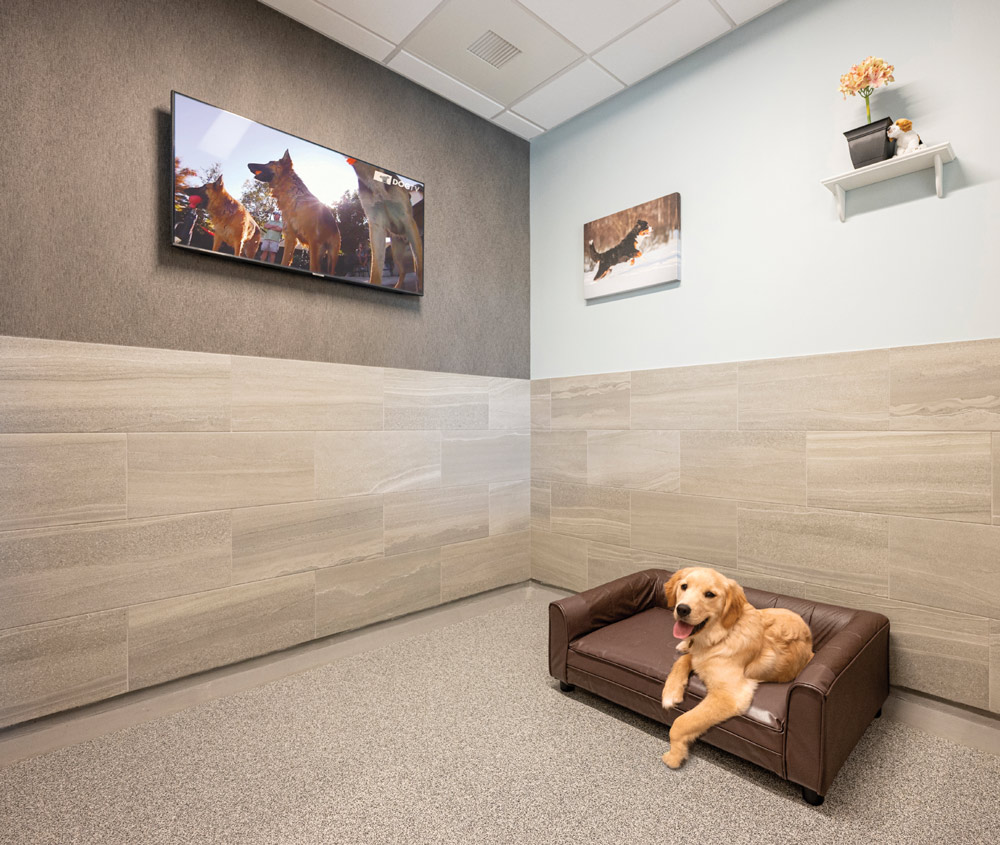
A room with a dog on a brown couch, a TV showing dogs, and a shelf with a plant and picture.
Clean Air
A New Standard
in Dog Boarding
and Daycare
By Steven Parker
Photos provided by K9 Resorts
When pet parents think about the ideal boarding or daycare experience for their dog, they often focus on spacious suites, enrichment programs, play yards, attentive staff and the overall cleanliness of the facility. While all these elements are important, one of the most critical and often overlooked factors is the quality of the air the dogs breathe.

Air quality directly influences the spread of illness and respiratory health in group care environments. For boarding and daycare operators aiming to set high standards of care, clean air is becoming a defining consideration as pet parents increasingly seek facilities that support healthy, comfortable dogs.

From an operator standpoint, improving air quality requires a shift in thinking. Air management should be treated as a health and safety function, not just a building utility.
Beyond Basic Ventilation
Many boarding and daycare facilities rely on standard HVAC systems designed primarily for temperature and humidity control. While these systems can capture some airborne particles, they are not intended to actively neutralize pathogens. In high-traffic environments where dogs share space throughout the day, relying solely on basic HVAC filtration allows bacteria, viruses and allergens to continue circulating, increasing the likelihood of respiratory issues and illness among both pets and staff.

From an operator standpoint, improving air quality requires a shift in thinking. Air management should be treated as a health and safety function, not just a building utility. Facilities that prioritize higher clean air changes per hour and incorporate active disinfection methods are better positioned to reduce airborne contamination and maintain more stable, healthier spaces.

This approach is informed by practices long used in healthcare and laboratory settings, where frequent air turnover combined with disinfection is a standard method for minimizing the spread of airborne pathogens. Pet boarding and daycare operators can apply these same principles to create safer environments that support canine health while reducing operational risk.

Incorporating UV Air Disinfection
Ultraviolet (UV) air disinfection is often associated with hospitals and clinical settings, but the underlying principles translate effectively to pet boarding and daycare environments. In facilities where dogs share air throughout the day, UV disinfection provides an added layer of protection by deactivating airborne microorganisms as air moves through the building. When integrated properly with a ventilation system, this technology delivers continuous air treatment across rooms, play areas, hallways and other shared spaces.

UV air disinfection is not a plug-and-play solution. Its effectiveness depends on thoughtful design, proper integration and a clear understanding of how air moves within the facility. Systems must be sized and positioned based on layout, ceiling height, occupancy levels and airflow patterns. Relying on a single unit to cover a large or segmented space is unlikely to deliver consistent results.

When approached thoughtfully, UV air disinfection becomes a practical tool within a broader air management strategy. For pet boarding and daycare operators, the goal is not to become dependent on a single piece of technology, but to apply proven solutions in a way that supports healthier environments and more resilient operations.

UV air disinfection is not a plug-and-play solution. Its effectiveness depends on thoughtful design, proper integration and a clear understanding of how air moves within the facility.
Better Air, Healthier Dogs
Air quality plays a significant role in limiting the spread of contagious illnesses, including serious threats like parvovirus, which can spread rapidly in group care settings when protocols fall short. While no single measure can eliminate risk entirely, managing airborne contaminants alongside rigorous cleaning, vaccination requirements and operational controls helps reduce the conditions that allow outbreaks to occur.

Improving air quality also delivers benefits that extend well beyond disease prevention. In boarding and daycare facilities with effective air management, dogs are less likely to experience respiratory irritation, allergy-related symptoms and discomfort associated with prolonged indoor stays. Consistent clean air supports better rest, reduces stress and promotes overall health, particularly during extended stays and high-occupancy periods.
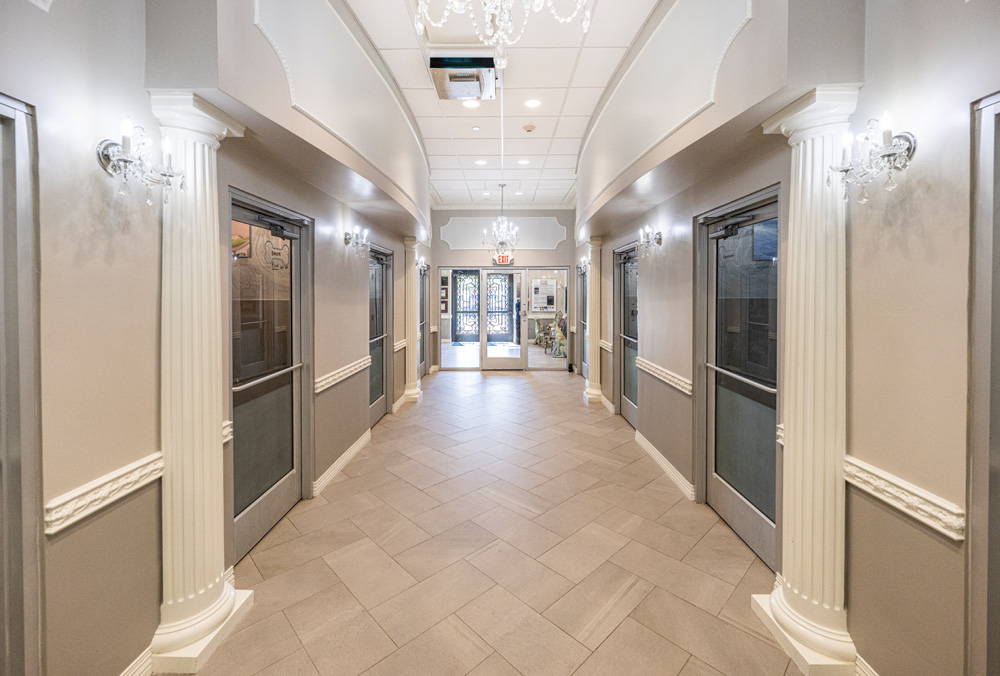
Elegant hallway with tiled floor, fluted columns, chandeliers, and frosted glass doors.
In addition, healthier air contributes to more stable dog behavior and smoother daily routines. Dogs that rest well and remain comfortable throughout the day are better able to participate in structured play and enrichment activities without frequent interruptions tied to health concerns. Fewer air-related issues reduce the likelihood of illness spreading within the facility, which helps both dogs and staff.

Air quality also influences how pet parents evaluate care environments, even if it is not always visible. When operators take a proactive approach to air management as part of a broader health and safety strategy, it reinforces confidence in the facility’s ability to provide consistent, responsible care. Over time, this trust is built through outcomes—not messaging—and becomes an extension of operational discipline rather than a marketing claim.
The Bigger Picture
As pet owners increasingly view their dogs as family members, expectations for safe, wellness-focused boarding environments continue to rise. For operators, this shift requires more than surface-level upgrades. Facilities that take a deliberate approach to air quality management and layered health protocols are better positioned to reduce illness risk and establish higher standards of care across the industry. Clean air and comprehensive health practices are no longer optional operational features—they are foundational components of responsible, modern pet boarding.

Improving air quality requires an understanding of how airborne contaminants move through a facility and how different systems work together to manage risk. When operators apply proven science, integrate complementary technologies and maintain consistent operational protocols, the result is a healthier and more predictable care environment for dogs and staff alike.
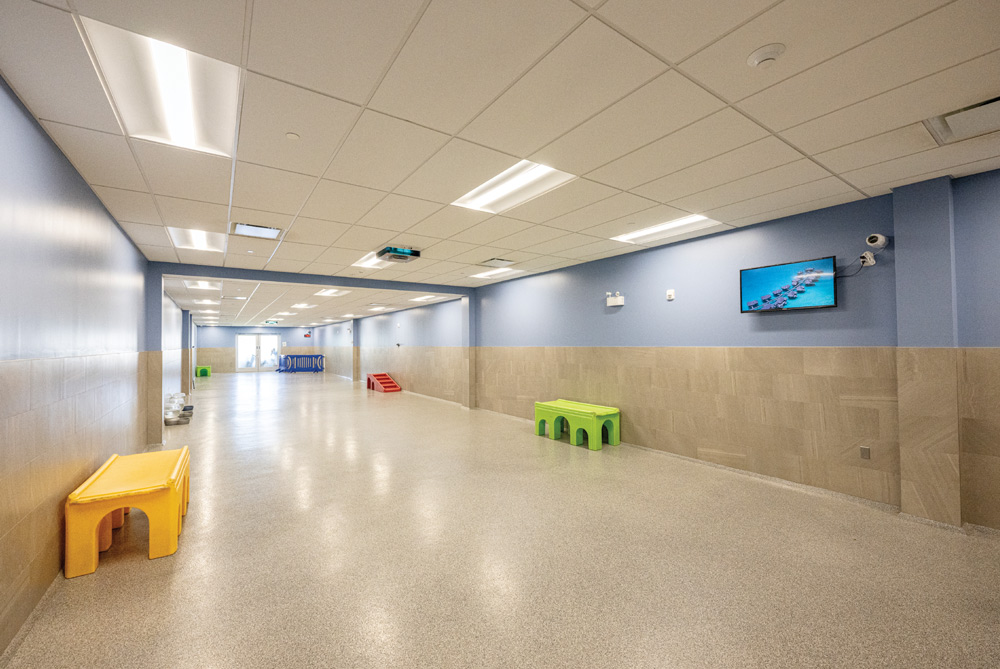
Large empty corridor with blue walls, fluorescent lighting, and play furniture.
In boarding and daycare facilities with effective air management, dogs are less likely to experience respiratory irritation, allergy-related symptoms and discomfort associated with prolonged indoor stays.
A disciplined, system-based approach to air management supports canine wellbeing, strengthens daily operations and reflects a long-term commitment to doing the job right. When health and safety are treated as core operational responsibilities, it translates into better outcomes for everyone involved.
Steven Parker co-founded K9 Resorts in 2005 and serves as Chief Executive Officer of Corporate and Joint Venture Resort Operations. Steven oversees corporate resort development, corporate resort operations, and operating standards across the franchise system. He regularly speaks at national conferences and universities on the topics of business, pet care, and entrepreneurship. Steven has earned recognition from the Mayor of Fanwood, the New Jersey State Policeman’s Benevolent Association, and the United States Congress for his charitable contributions.