




Staff
Barkleigh Productions, Inc.
Rebecca Shipman
Laura Pennington
Brandi Aurelio
Carlee Kubistek
Luke Dumberth
Todd Shelly
Gwen Shelly
Adam Lohr
James Severs
Karin Grottola
Evan Gummo
CONTACT
General: (717) 691-3388
Editorial: rebecca@barkleigh.com
Advertising: james@barkleigh.com
20
6
40
Business
Animal Health
Think Tank
Industry News
- Aerapy Animal Health7
- Alpha Tech Pet41
- Alpha Tech Pet56
- BackYard Pet Supplies9
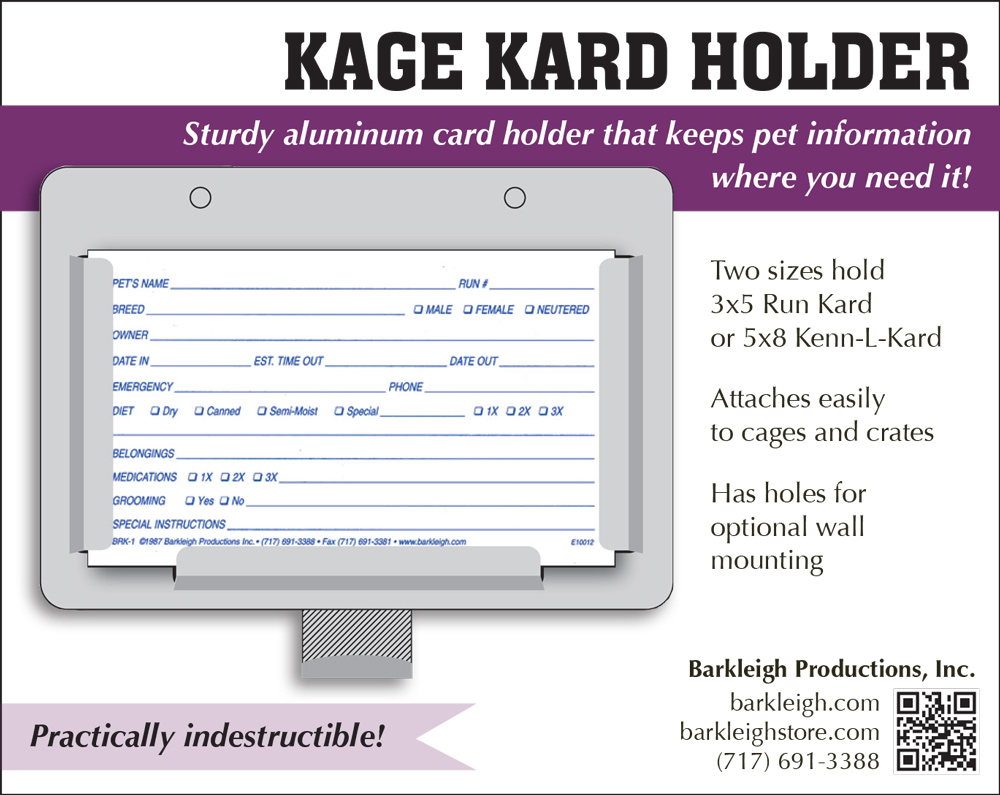
- Barkleigh Store – Kage Kard Holder43
- Best Shot Pet15
- Business Insurers of the Carolinas11
- CleanWise51
- Cosmos Bathing Systems33
- Direct Animal Products17
- Electric Cleaner Company8
- Enrichment University29
- Envirogroom | Special FX Premium Products53
- Gator Kennels10
- Gingr23
- Governor Insurance Agency24
- Gyms for Dogs47
- K9 Grass by ForeverLawn2
- Kuranda Pro3
- Natura Turf Pro14
- Odorcide19
- Online Doggy49
- Outstanding Pet Care25
- Paragon School of Pet Grooming18
- Pet Boarding and Daycare Expo West21
- Pet Business Marketing28
- Pet Business Marketing37
- Pet Vet Sales31
- Pet-Shield48
- PetBizInsurance.com26
- PetEdge44
- PetLift39
- Poly Pet Tubs42
- Presidio Custom Kennels27
- Professional Animal Care Certification Council38
- Professional Pet Boarding Certification45
- Puppy Playground13
- Rescue5
- Snyder Manufacturing Company35
- Stone Mountain Pet Products32
- Tidy Paws16
- Turnkey, Inc.36
- Wag’n Tails55


























Animal Behavior




By Bradley Phifer
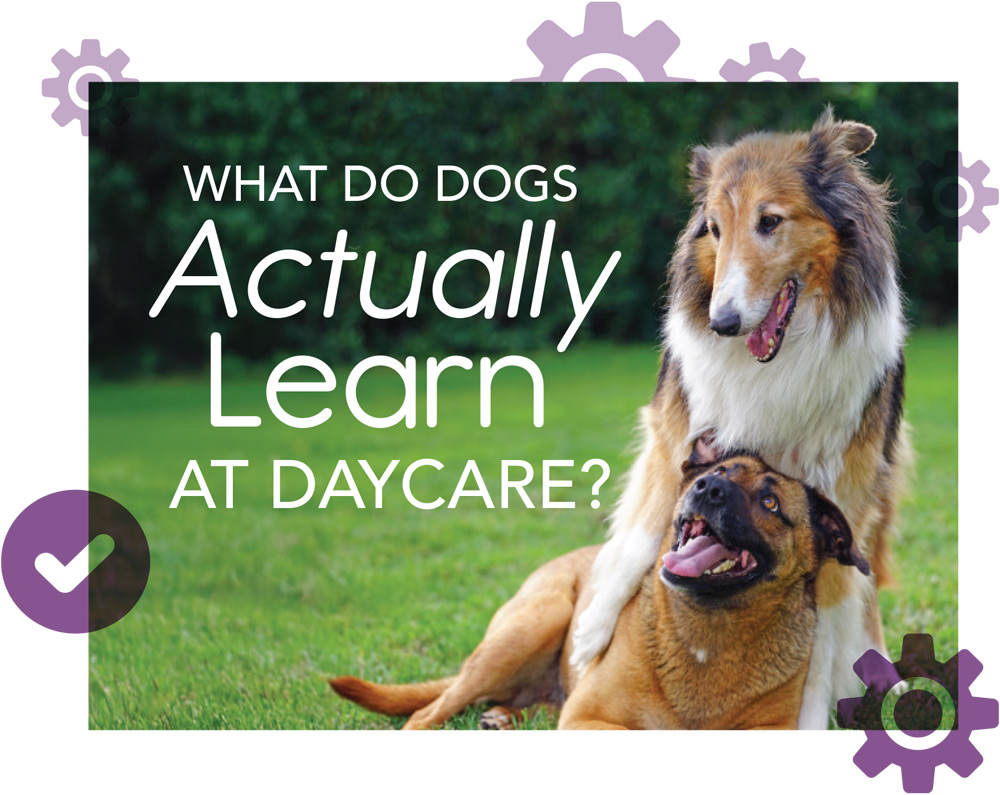
 ost dog owners view daycare as a place where their dog burns off energy, plays with other dogs and stays out of trouble while they are at work. But what they often don’t realize is that every minute at daycare influences their dog’s future behavior.
While the best daycares leave dogs better than when they arrived, in-house training can be viewed as optional or unrealistic, yet learning happens whether or not it’s planned. When we recognize the type of learning happening in our facilities, we can intentionally shape it rather than leave it to chance. What dogs learn while in our care can follow them home, just as the behaviors they practice at home can show up when they walk through our doors.
In daycare, lessons are learned quickly and reinforced often. For example, when a dog routinely practices undesirable behaviors, like rushing through gates, barking for attention, jumping up, ignoring humans, mouthing or using aggression to manage social pressure, those behaviors become more proficient and frequent.
That’s why your team’s habits matter so much. Sometimes, without meaning to, we’re teaching lessons that will stick with a dog for life. Facilities that don’t incorporate training principles are still teaching—they’re just letting the environment decide the lesson.
When team members spend time teaching the dogs what they need to know, the dogs respond more reliably. Days run more smoothly when desired behavior is rewarded and when strategies are implemented to interrupt and redirect undesired behavior. Handlers move with confidence instead of preparing to put out the next fire. Calm becomes the default rather than the exception, and we see less need for corrections and less frustration among staff.

The solution is treating daycare like a classroom, not a playground. To achieve this, operators must invest in regular staff training, develop clear operating procedures informed by canine behavior science, and ensure the whole team shares the same goals about what behaviors to encourage, prevent and reinforce.

Also consider developing written procedures for your staff using a shared language of cues and providing ongoing employee training. Ask your staff to watch daily routines to identify what dogs are learning at your facility. Train your team to observe canine body language, distinguish between appropriate and inappropriate play, and reinforce their handling skills. Create standard procedures so every handler teaches the same way. And, let your clients know how you are reinforcing good behaviors so they understand the quality of your daycare.
Training at daycare isn’t about obedience; it’s about communication and stress reduction. Think of your daycare as a learning environment first and a play environment second. Ensure that dogs leave with more than physical or emotional exhaustion. Send them home with stronger emotional responses, more reliable skills and improved behavior. A well-run daycare produces better dogs, thankful owners and safer communities.
Bradley Phifer, CBCC-KA, CPDT-KSA, is the Executive Director of the Certification Council for Professional Dog Trainers (CCPDT) and the owner of multiple dog training, boarding, and daycare businesses. He specializes in behavior modification, professional standards, and the practical application of learning theory in real-world settings.

Business



 outhwest Airlines and Emirates both fly people from one place to another. These businesses operate under the same aviation regulations, use similar aircraft and perform the same basic function, yet nobody confuses the two, and nobody expects them to charge the same prices.
One is built for travelers who will tolerate friction in exchange for a lower fare (and a bit of fun thrown in); the other is built for people who value ease, certainty, status, and an extra-special level of service—and, crucially, they are prepared to pay vastly higher prices for the privilege.
Most pet businesses sit much closer to the first model than they realize while quietly wishing they could charge like the second. And that tension shows up everywhere: in pricing conversations with needy customers, and in staff stressing out because more and more dogs are being squeezed into the facility, which leads to the business being busy but often never quite as profitable as you would like.
The main reason for this is few business owners ever step back to ask the fundamental question: “Who is this business designed to serve?” But an even better question might be: “Who should this business be designed to serve, and who should we be targeting as a customer?”


The problem is, over time, the middle of the market becomes crowded, price-sensitive and demanding. The business stays busy but margins tighten up, and you end up looking like every other pet resort in your area. The competition grows, wages and other costs continue to increase, and inflation and the rising cost of living greedily eat into your shrinking margins.
But when a business is designed around a specific type of client, then wrong clients quietly opt out, and the right ones lean in. This is not about excluding people for the sake of it. It is about building a business that makes sense for the clients you want and the operation you are trying to run.
Every market is made up of top, middle and low-priced service providers. Deciding that your “who” is going to be affluent dog owners means you move away from that overcrowded middle and bottom sections of the market.
The easier money is to be made by targeting (and designing your services to suit) dog owners who live in the top section. There are less of those buyers for sure, but that’s okay, because they are prepared to spend exponentially more on their dogs’ happiness, so you need less clients overall.
But, here’s the thing no one wants to admit: The affluent people who live in the top levels are different from the people at the middle and bottom levels. It’s not that they love their dogs any more or less, or that they are better or worse human beings. It’s that they are wealthy, successful people who demand, expect and are happy to pay for a service that feels worthy of their hard-earned cash.

Affluent people aren’t buying minutes; they’re buying what aligns with their standards, their identity and their worldview.

Here are three big differences in the two:

Affluent people aren’t buying minutes; they’re buying what aligns with their standards, their identity and their worldview. They have their own “tribal language”—you must talk to them the way they talk, or they won’t see you as someone worth buying from.

They’re not just buying dog care; they’re buying the version of themselves who goes above and beyond.

Your standards and service levels need to sit comfortably inside their world. If they walk into your place and it feels “off-brand” for their lifestyle, you lose them instantly.
Taken together, these differences explain why two businesses offering similar services can feel completely different to operate. One relies on volume, flexibility and constant adjustment, while the other relies on commitment, clarity and superior levels of service. Neither outcome is accidental. Each is the result of who the business is designed to serve.

Price is not just a revenue lever, it is also a filter. When prices sit in the middle of the market, businesses tend to attract clients who compare options closely and expect flexibility. When prices move decisively higher, the client mix changes.
People who are used to paying for premium services in other areas of their life are comfortable paying more when a similar premium experience feels right for their dog. Remember, they are used to upgrading, investing in memberships and enjoying the perks that come with success.
Once a business makes a clear decision about who it is built for—and stops trying to be everything to everyone—it all becomes simpler. Just as no airline attempts to serve every traveler equally well, no pet business needs to appeal to every dog owner in town.
The question is not whether affluent dog owners exist in your area (they almost always do), the real question is whether your business is designed in a way that makes sense to them. Are you speaking the right kind of “affluent attractive” language on your website? Are you perceived as being the expert pet care provider in town? This matters because affluent buyers gravitate towards the provider they feel is the best.
And being the best doesn’t necessarily mean collecting more certificates or doing more courses so you have more letters after your name. Continuous improvement is desirable, but it doesn’t elevate the business in the eyes of your prospects as much as you might think.
Many experience more success by going beyond the norm and embracing a strategy that makes their business a magnet for affluent dog owners. I’m talking about things like:
- Creating their own media such as a paper-and-ink newsletter or running their own podcast. These are media outlets that cut through the generic white noise of social media marketing that everyone does.
- Becoming a local celebrity by getting press coverage and being featured in local newspapers and magazines, or on radio or TV shows.
- Cementing their expert status by writing a book that sells the business for you. You can’t spell “authority” without “author.”

The operators who step back and decide who they are actually serving tend to experience the opposite. Their marketing has more clarity and focus, and over time, they attract those more affluent clients. This leads to higher margins and a business that feels far more stable as a result.
That outcome does not come from working harder; it comes from choosing the right client and building everything else around it.
Dom Hodgson is known as the Pet Biz Wiz, and is widely regarded as the World’s leading pet business coach. His mission is to help pet service providers create superior customer service systems that enable them to build an impactful and profitable pet business. Dom has written 10 books and is a much in-demand speaker. You can instantly download a free copy of his latest book “How to Disnify Your Doggy Daycare Business” by going to www.petbusinessmarketing.com/daycaremagic

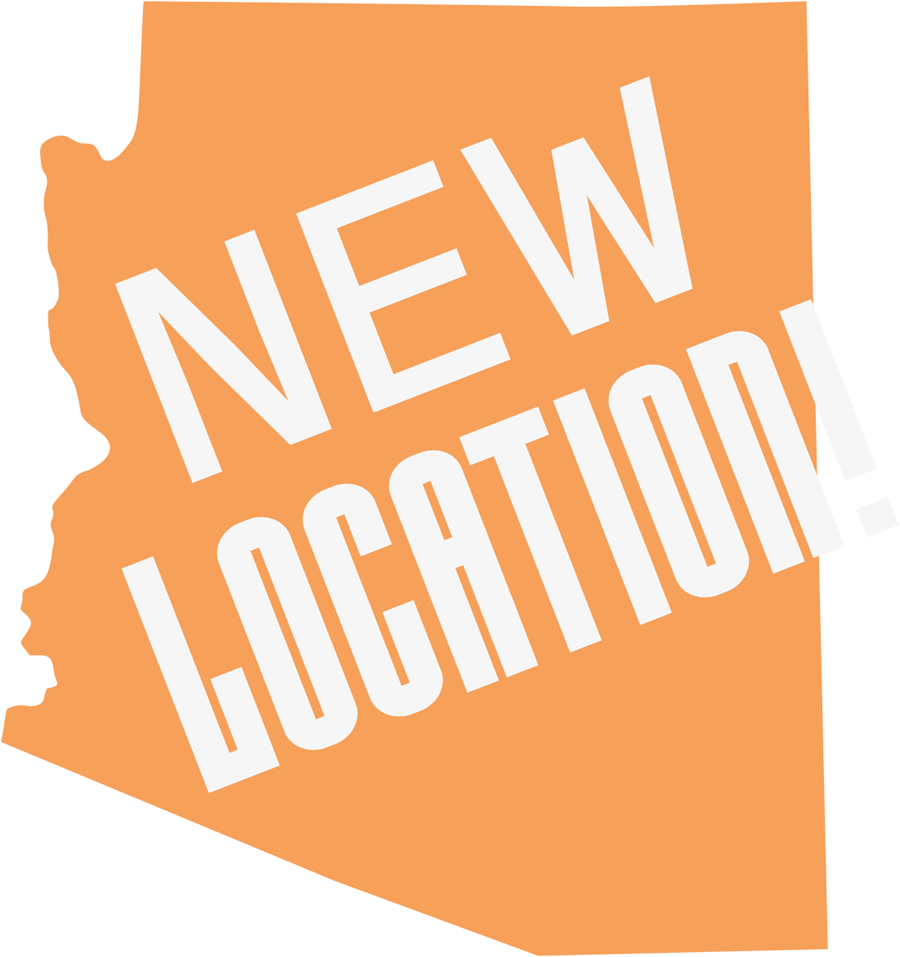



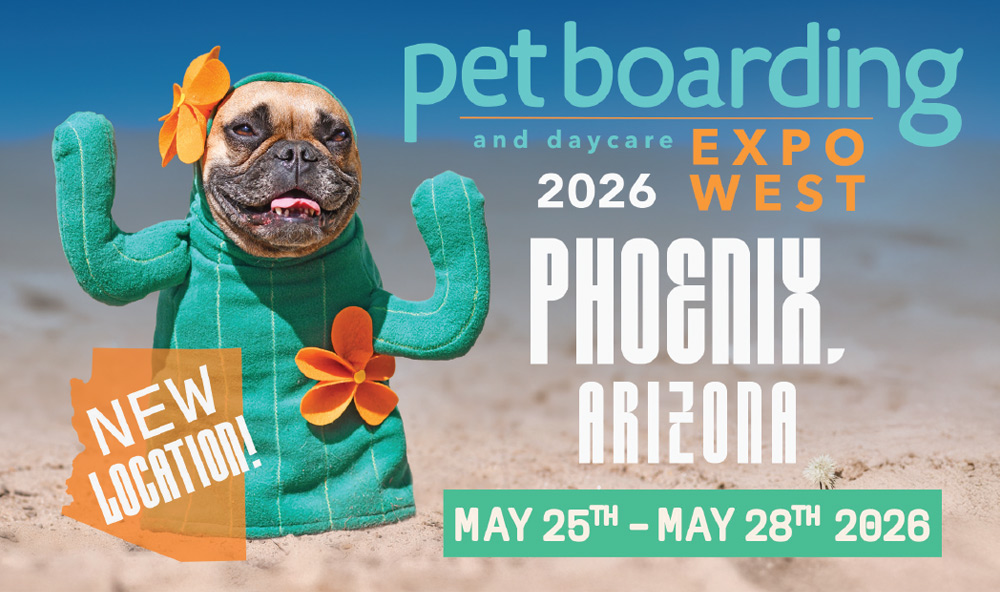
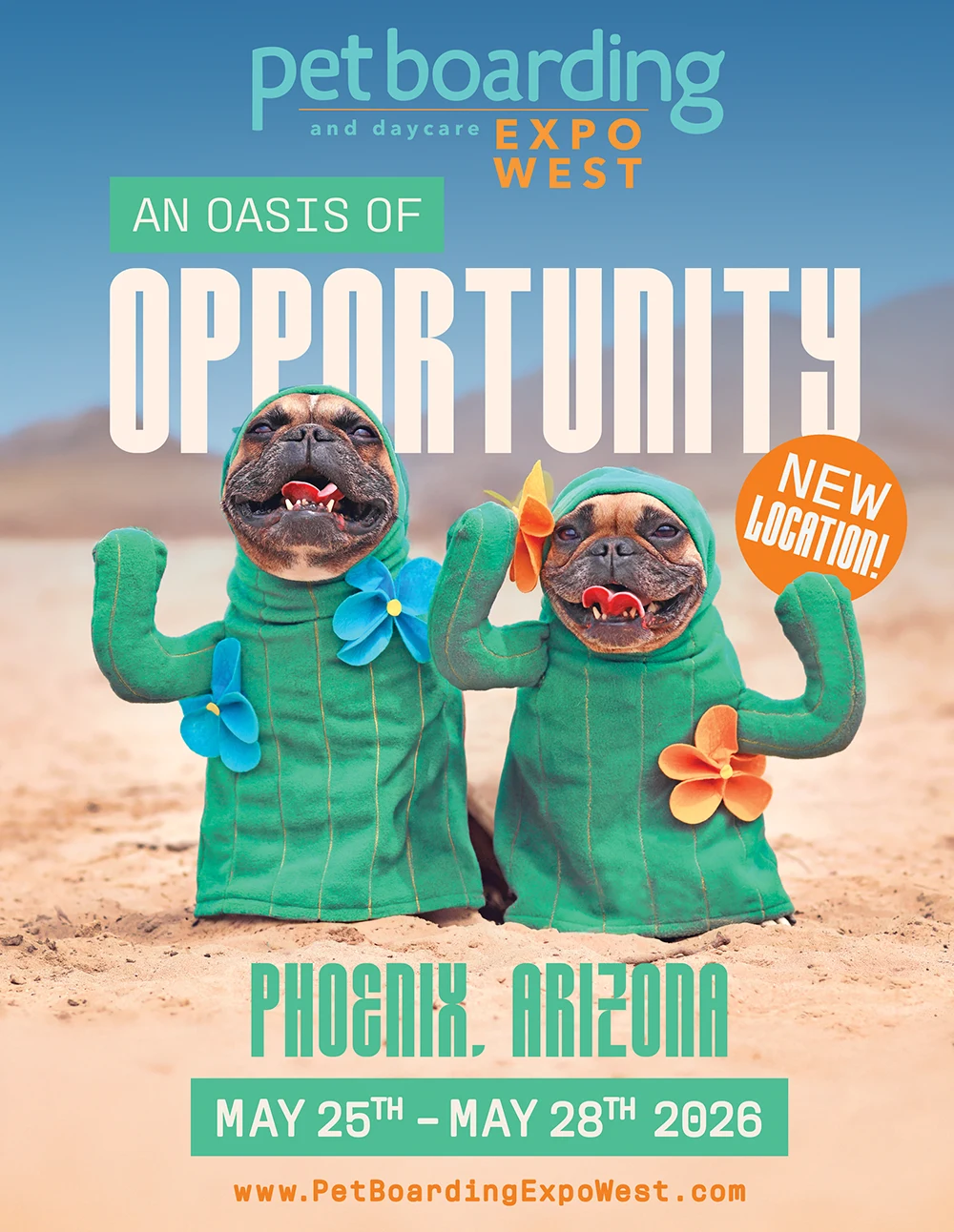
 ark your calendars—and your maps—for the 2026 Pet Boarding & Daycare Expo West, taking place May 25th-28th at a new location in Phoenix, Arizona! Come for the sun, the fun and the oasis of opportunity that is in store for your pet care business.
In the current competitive landscape, pet care facilities can’t afford to fall behind. From new owners to seasoned veterans, everything you need to ensure a thriving, profitable business can be found at this year’s Pet Boarding & Daycare Expo West. Nearly 30 industry experts will come together to share their knowledge on a wide range of topics guaranteed to give your business a leg up.
The expo begins Monday afternoon with two exclusive four-hour seminars to choose from. Join Dominic Hodgson for his “Profitable Pet Care Blueprint” course to learn how pricing, staffing, capacity, productivity and leadership fit together, and why marketing and automation only work when the foundation is right. Or bring your managers, supervisors and staff to get certified in infectious disease management through the “Professional Pet Boarding Infectious Disease Management Certification Course” with Laura Laaman and Dr. Matthew Goetz.
Monday evening will feature a Keynote Address presented by celebrity pet expert and animal behaviorist Harrison Forbes, which will explore the powerful human-animal bond and why trust is the true currency of successful pet care businesses. Immediately following the Keynote Address will be a Meet & Greet party, where you’ll have the opportunity to unwind and socialize over a drink. The Monday evening events are free to all registered attendees.
The ever-popular Round Table Luncheons, which will be held Tuesday through Thursday, are another great way to network and share stories with others in the business while enjoying a delicious meal. The Luncheons are included in the Gold, Do It All Deluxe, and Basic Deluxe packages or can be purchased separately. Pre-registration is encouraged, as they often sell out.
In addition to the over 50 hours of education and invaluable networking opportunities, the two-day trade show will be taking place Wednesday and Thursday. With a large line-up of vendors—from kennels to consulting services—everything you need for your business will all be in one place, so come ready to shop!
So, whether your business is thriving or failing, don’t let opportunity for improvement pass you by. There’s always room for growth, increased profit and ease of operation, and it can all be found at Pet Boarding & Daycare Expo West!
For more information or to register, visit
PetBoardingExpoWest.com
Business


By Laura Laaman
 t may be difficult to believe, but you likely already get plenty of high-dollar phone calls—they just need to be realized. And right now, capturing strong revenue matters more than ever.
Even in a normal economy, the pet care industry demands huge costs of business owners. Rent/mortgage payments, utilities, taxes, insurance, building maintenance and labor expenses are all sky-high. Now add in the effects of lingering inflation, tariff pressures and elevated interest rates, and it’s no wonder both families and businesses are struggling to stay afloat.
But that’s not all. Recent shifts in travel habits have been chipping away at our boarding demand. The holiday season is normally a time of bounty for the pet care industry, but last winter painted a new, darker picture. Per one holiday travel survey, trip durations, frequency and budgets were all down compared to 2024. One in three respondents stated their financial situation was worse than the previous year.1 That includes nearly 20% of higher-earning families ($100k+) who make up a large portion of the most valuable pet care clientele.
Here’s one more straw for the camel’s back: Pet care competition is at a record high and increasing every year. Census data shows a nearly 32% increase in the number of non-veterinary pet care establishments in the last five published years with a clear upward trend.2 As one example, national franchise Dogtopia states they currently operate about 285 locations and are on track to have 400 by 2027.3 Case in point, the market is becoming significantly saturated, and it’s harder than ever to attract, secure and retain pet parent clients.
But despite all this, those $1,000 calls are still coming in. Now it’s time to convert as many as possible. Let’s start by taking a closer look at the value of a phone call.
Here’s an example of how one call might break down: A pet care business in a middle-tier market charges $90 per night including activities. If they convert a prospective customer who boards their dog for five nights at a time, that’s $450 per visit. If the customer travels three times a year, that’s $1,350 per year.
Another pet parent recently moved to town and needs a new groomer for their goldendoodle. If they come in every eight weeks for $120 per visit, that’s $720 in just grooming revenue each year—and many doodles get groomed twice as often.
A local family recently adopted a puppy, so they call in looking for a trainer. A typical stay & train package in the same market might cost around $1,995, not to mention follow-up training or any other services used.
Another prospective client has a high-energy dog and wants to keep him busy and entertained during the day. If they use daycare an average of two and a half times per week at $45 per day, that’s $5,850 in a year!
Now, imagine a client needs all of these services and purchases them from the same business. Over the course of one year, they may end up spending close to $10,000 altogether.
Each of these client relationships would begin the same way: with a single, unremarkable phone call. Any and every phone call could be this valuable; however, this kind of return is very rare without careful strategy and effort on the part of the business.

Between check-ins/outs, feedings, activities, cleaning and all the other countless tasks of providing pet care, it’s easy to put off or ignore phone calls. For many facilities, this leads to a staggering number of missed calls, including the high-value ones. And once a call is missed, that prospect will turn toward one of your many eager competitors.
On top of lost revenue, each missed call erodes customer perception. If customers can’t reach a business, they’re likely to deem it unreliable, unprofessional or untrustworthy. Eventually, this leads to a damaged reputation, possible negative reviews and even a loss of existing clients.
Many pet care business owners feel they don’t miss a lot of calls, but it’s not always easy to accurately gauge without taking a close look. It’s wise to routinely analyze incoming calls to see just how many were truly missed, including voicemails that weren’t followed up on. The results can be shocking.
However, it’s not enough just to take every call—each one should be navigated with intention, care and expertise.

This is why phone training is such a beneficial investment in the pet care sector. Ultimately, the person answering your phones is the guardian of your company’s most important source of revenue. If they’re highly trained, naturally inclined and well-prepared, you’ll convert and retain far more customers—far more profitably.
For example, how many doodles do you get for boarding but not grooming? And how many puppies come through your doors for a single service when they could realistically need any or all of them? If they’re not getting those other services from you, they’re getting them from someone else—and that revenue is key to maximizing the value of every client.
That’s why it’s so meaningful to offer services beyond what they’re calling for when they reach out. And this doesn’t just mean a cursory mention—a proactive strategy is essential. If they call for boarding, offer grooming before their dog goes home. Ask them if they’re interested in training and suggest a training evaluation on the dog’s first day. Even if they decline the other services right away, you’ve planted a seed in their mind. However, you may be surprised how many pet parents take you up on these offers, especially when they’re presented with care and grace.
The bottom line is, in a tougher economy, growth doesn’t happen by accident. It comes from protecting and maximizing every lead, including those you already have.
Every time your phone rings, it’s another wonderful opportunity. Sure, it could be a single-visit customer—but it might also be a $1,000 call…or $10,000. When calls are consistently answered, your team is trained to build value and your process naturally introduces your other services, even those single-visit calls become a lot more meaningful.
Laura Laaman is president of Outstanding Pet Care. If you’re interested in the strategies discussed in this article and want to grow your revenue with our proven, guaranteed services, schedule a consultation by calling 1-888-836-8740 or visiting www.outstandingpetcare.com/contact.
- 2025 Deloitte Holiday Travel Survey. https://www.deloitte.com/us/en/insights/industry/retail-distribution/holiday-travel-survey.html
- United States Census Bureau. https://data.census.gov/table/CBP2023.Ccs~812910&g=010XX00US
- Dogtopia. https://www.dogtopia.com/franchising-us/why-dogtopia/
Business

 s we’ve moved into 2026, the pet care industry is showing early signs of recovery from last year’s revenue challenges. Yet for facility owners contemplating an exit, the lessons of 2025 remain critically relevant: Strong EBITDA (Earnings before Interest, Taxes, Depreciation, and Amortization) matters more than revenue growth when it comes to commanding premium valuations.
But the real story wasn’t revenue softness—it was margin compression. Labor costs continued their climb (most states being burdened by yet another minimum wage increase in January of this year), while many operators hesitated to implement corresponding price increases due to consumer pushback, resulting in severely squeezed profitability.
Here’s what emerged as non-negotiable for premium valuations: healthy EBITDA margins, disciplined labor management, operational efficiency and staff stability. Modern facilities commanding premium pricing from pet parents also rose to the top of buyer wishlists.
Notably absent from the must-have list is aggressive revenue growth. While acquirers certainly prefer growing top line, they’ve demonstrated willingness to pay a premium for well-run resorts with strong EBITDA margins—even in flat or modestly declining revenue environments. Strong margins equal a strong and resilient business model that can withstand fluctuations.

Labor Cost Management
Labor represents your largest expense and your greatest opportunity for margin improvement, which is why you should:
- Establish (and adhere to) a strict occupancy-based scheduling model that maximizes labor hours.
- Right-size your team based on actual utilization patterns, not theoretical capacity or for fear of losing team members.
- Implement workflow improvements that maximize output per labor hour. For example, analyze your resort’s “flow” from opening to closing and look for efficiencies and improvements.
- Ensure pay scales reflect market realities while incorporating performance-based incentives for management-level employees. Incentives should always tie to a specific payroll ratio while contemplating the safety of pets.
Revenue Rationalization
Not all revenue is created equal. Conduct a hard-nosed analysis of every service offering with a goal to:
- Identify and eliminate or raise prices on high-labor service offerings that made sense historically but now destroy margins given current labor costs.
- Concentrate resources on high-margin services that clients value and willingly pay premium prices for.
- Avoid chasing revenue that comes at the expense of profitability regardless how “fun” the service could be. Just because a handful of clients ask for a specific service does not mean it’s in high demand.
- Consider membership models that produce monthly recurring revenue while increasing customer “stickiness” and loyalty.
Extract maximum efficiency from existing operations through:
- Standardized processes that ensure each team member completes the same task the same way in the same time, each time
- Reviewing dog movement patterns and how they could be made more efficient
- Technology integration that reduces administrative burden (online booking, AI, etc.)
- Strategic occupancy management to maintain premium pricing, especially during peak season
For owner-operators of lifestyle properties, improving financing conditions are beginning to activate the individual buyer market that remained largely dormant during the high-interest-rate environment of recent years.
The good news is that you control the variables that matter most. Revenue may be subject to market forces beyond your influence, but labor efficiency, cost discipline and EBITDA optimization are entirely within your power to execute.
Teija Heikkilä founded PET|VET M&A, Sales & Advisory (formerly National Kennel Sales & Appraisals) and has been a pet care industry pioneer since 1990. Originally from Finland, she has built a 34-year career driven by deep industry passion and expertise. Since founding the company in 2007, Teija has facilitated 285+ successful pet business sales totaling $530MM. She has been at the forefront of industry consolidation from its inception. Teija holds the Certified M&A Professional (CM&AP) and Merger & Acquisition Master Intermediary (M&AMI) designations and is a Licensed Real Estate Broker in over 20 states.


 hen it comes to handling cats, there’s no one “magic” hold or position that will make every cat a compliant, cooperative participant. However, there are substantial differences between handling dogs and cats—and cats absolutely know when you are not treating them how they would prefer. Choosing the wrong technique in the wrong moment can spell disaster for both cat and handler.
In general, cats cannot be “sweet talked” once they have a meltdown or if they are swatting, hissing and trying to bite. The most important thing is to prevent them from escalating to one of these situations.
Nervous and withdrawn cats can absolutely benefit from a handler being slow, calm and soft-spoken. But, while all cats should be treated with respect, being too passive or light-touched can have the opposite effect on a cat who responds to new experiences with aggression.
For the shy cats, the focus should be on introducing loud sounds or services slowly and as quietly as possible. In the grooming salon, this can include using a Happy Hoodie over their head to muffle loud equipment noises like the blow-dryer, slowly turning on the water in the tub, and providing them a place to curl up and feel comfortable.
Many young and nervous cats can benefit from a break if they are getting overwhelmed, or even some cuddling in our laps or wrapped in a large, fluffy towel. This can build trust and help them to be brave during a new and scary experience.
However, not all cats will appreciate those things. If you attempt these slow, quiet, comforting techniques on a bold or impatient cat, it can cause them to respond in the completely opposite way. This type of cat doesn’t want to be coddled; they want you to be done. Instead, they need a confident handler who can get the task done quickly and with little agitation.

- Minimize or muffle things that make them scared or jumpy.
- Limit positions that cause them to react aggressively.
- Always support a cat’s body and weight placement with a surface or your body.
- Be confident and deliberate when changing positions or techniques.
- Respect how a cat’s body naturally moves and don’t pull or jerk their body in unnatural directions or positions.
There is a notable difference between being firm and confident with being rough or overdoing it. Impatient and bold cats respond best to limiting the ways they are moved or manipulated around because they want to do it themselves. Therefore, successfully handling them includes a combination of working around what they will do themselves and deliberate holds that allow you to do what you need to do safely, but also in as short a time as possible.
For example, a cat who prefers standing and walking around the table should be groomed as much as possible on the table, versus forcing them to have all shaving, combing, etc. done in the lap or while being held down. You’ll be able to get a lot more done and prevent the cat from becoming agitated early on by working with these preferences.

While the comfort and positioning of the cat should be a top priority for a pet professional, it is also important to consider your own body and what techniques you are most familiar with. The reason to consider both is time and safety. Even if a cat prefers certain positions, if you aren’t able to efficiently complete the task at hand, then it needs to be a balancing act so time isn’t wasting unnecessarily.
The number-one thing to remember is that each cat will have different preferences, so the techniques used may need to vary slightly. This can include the order you perform services, if the cat is standing unassisted, encouraged to lay on the table, supported in your lap, secured and laid down, or a combination of those depending on what needs accomplished.
Respect and confidence are what lead to successfully handling the cats that you choose to work with. Adapting to what each cat prefers and tolerates prevents them from escalating in both undue stress and aggressive behaviors. Always limit or avoid what you know aggravates them, but also focus on finding that “sweet spot” in handling that combines safety, comfort and efficiency.



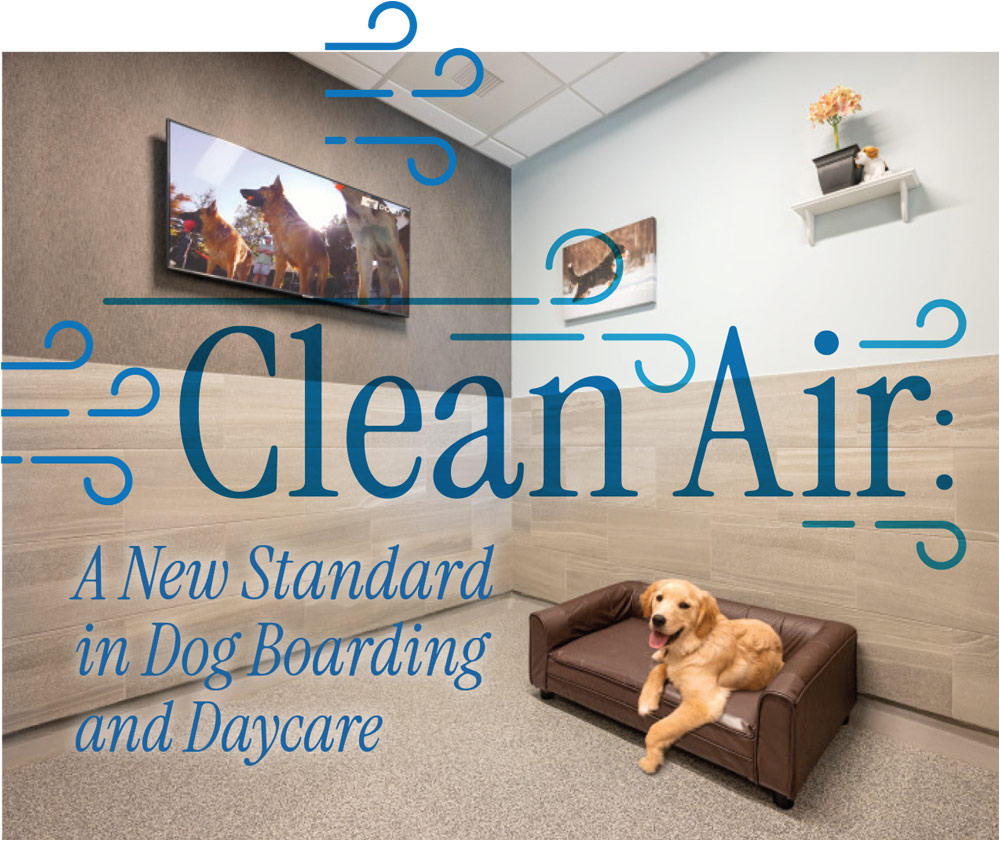
in Dog Boarding
and Daycare
Photos provided by K9 Resorts
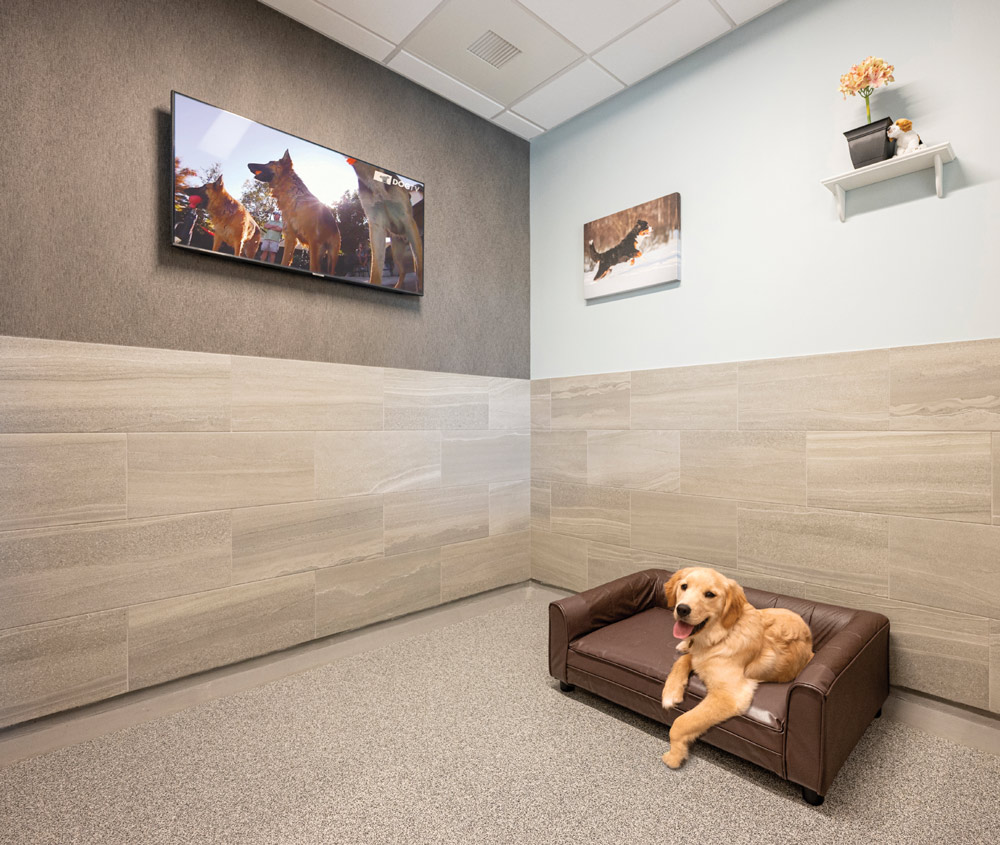
 hen pet parents think about the ideal boarding or daycare experience for their dog, they often focus on spacious suites, enrichment programs, play yards, attentive staff and the overall cleanliness of the facility. While all these elements are important, one of the most critical and often overlooked factors is the quality of the air the dogs breathe.
Air quality directly influences the spread of illness and respiratory health in group care environments. For boarding and daycare operators aiming to set high standards of care, clean air is becoming a defining consideration as pet parents increasingly seek facilities that support healthy, comfortable dogs.
From an operator standpoint, improving air quality requires a shift in thinking. Air management should be treated as a health and safety function, not just a building utility. Facilities that prioritize higher clean air changes per hour and incorporate active disinfection methods are better positioned to reduce airborne contamination and maintain more stable, healthier spaces.
This approach is informed by practices long used in healthcare and laboratory settings, where frequent air turnover combined with disinfection is a standard method for minimizing the spread of airborne pathogens. Pet boarding and daycare operators can apply these same principles to create safer environments that support canine health while reducing operational risk.
UV air disinfection is not a plug-and-play solution. Its effectiveness depends on thoughtful design, proper integration and a clear understanding of how air moves within the facility. Systems must be sized and positioned based on layout, ceiling height, occupancy levels and airflow patterns. Relying on a single unit to cover a large or segmented space is unlikely to deliver consistent results.
When approached thoughtfully, UV air disinfection becomes a practical tool within a broader air management strategy. For pet boarding and daycare operators, the goal is not to become dependent on a single piece of technology, but to apply proven solutions in a way that supports healthier environments and more resilient operations.
Improving air quality also delivers benefits that extend well beyond disease prevention. In boarding and daycare facilities with effective air management, dogs are less likely to experience respiratory irritation, allergy-related symptoms and discomfort associated with prolonged indoor stays. Consistent clean air supports better rest, reduces stress and promotes overall health, particularly during extended stays and high-occupancy periods.
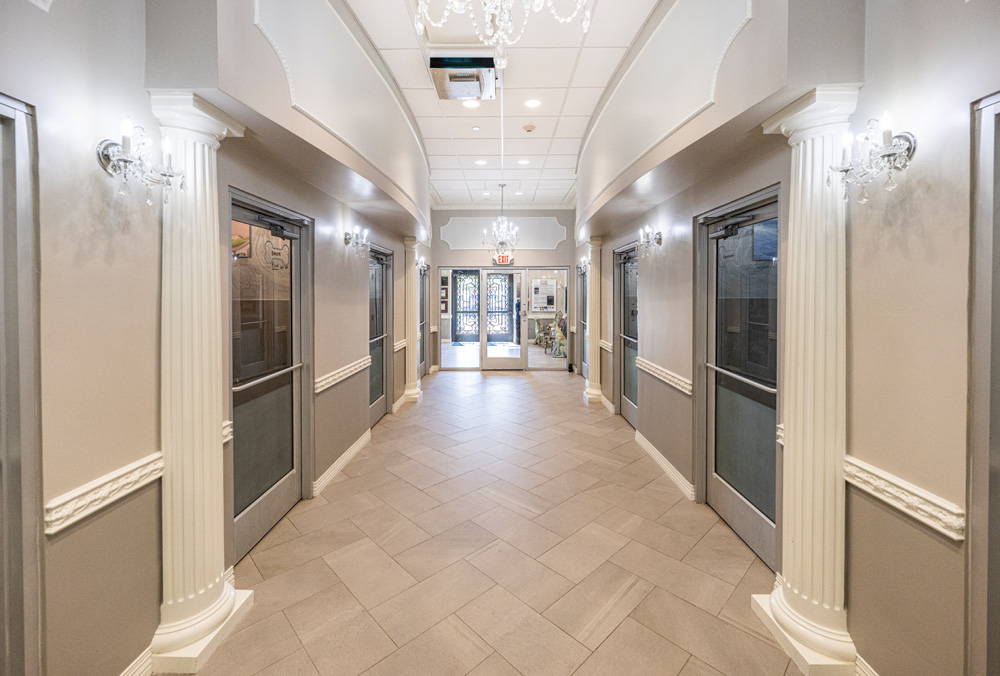
Air quality also influences how pet parents evaluate care environments, even if it is not always visible. When operators take a proactive approach to air management as part of a broader health and safety strategy, it reinforces confidence in the facility’s ability to provide consistent, responsible care. Over time, this trust is built through outcomes—not messaging—and becomes an extension of operational discipline rather than a marketing claim.

Improving air quality requires an understanding of how airborne contaminants move through a facility and how different systems work together to manage risk. When operators apply proven science, integrate complementary technologies and maintain consistent operational protocols, the result is a healthier and more predictable care environment for dogs and staff alike.
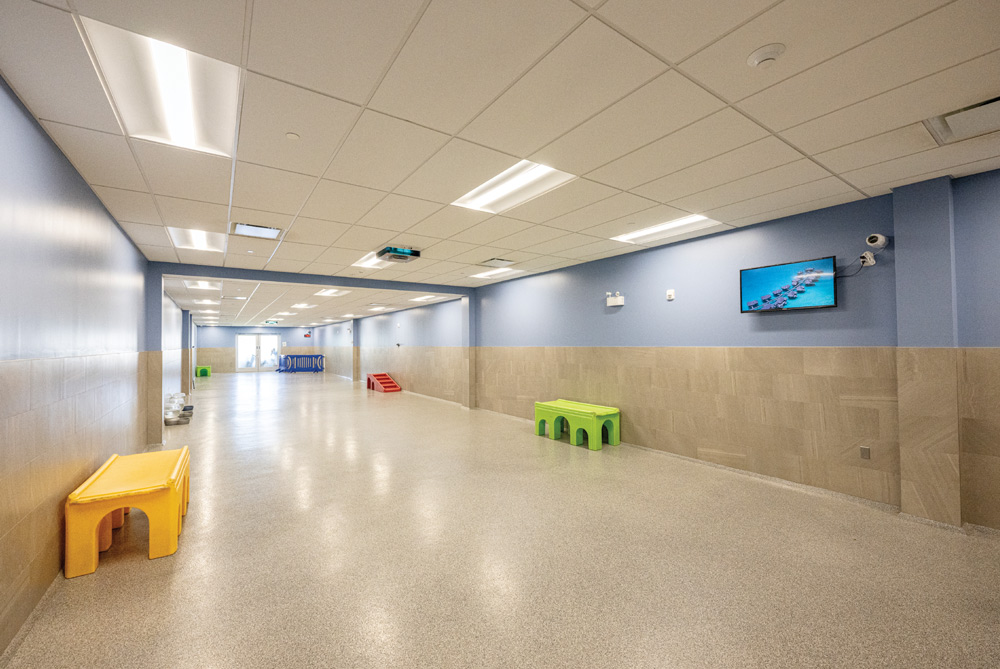


By Emma Chandley
 eart disease in dogs is common, progressive and very often quietly present long before a diagnosis is made. For boarding facilities, daycare providers, groomers and other pet professionals, this creates a unique responsibility and opportunity. These professionals are often the first people to notice subtle changes in a dog’s behavior, stamina, breathing or demeanor that may never be seen at home.
Unlike some acute illnesses, cardiac disease rarely announces itself dramatically in its early stages. There is no sudden vomiting, no obvious injury and often no outward pain. Instead, there are subtle signs rather than obvious warnings, which can include reduced enthusiasm on walks, choosing to rest rather than play, a change in breathing pattern when sleeping or an occasional cough.
The following will explore the silent risks of canine heart disease and how to recognize early red flags, understand why they matter and know when escalation is appropriate.
Importantly, many dogs with early heart disease appear “normal” to their owners. Adaptation happens gradually at home. In contrast, a boarding or daycare team may notice that one dog consistently sits out of play, lies down sooner than others or struggles to settle after excitement. These observations are invaluable.
This is one of the earliest and most important signs. In a daycare setting, this may look like:
- A dog that previously played enthusiastically but now opts out sooner
- Lagging behind on group walks
- Sitting or lying down frequently during play sessions
- Reluctance to engage in activities they previously enjoyed
Importantly, these dogs often still want to participate. They may approach play, then stop shortly after, suggesting physical limitation rather than behavioral change.
- Increased resting respiratory rate
- Labored or abdominal breathing
- Prolonged recovery time after exertion
- Open-mouth breathing when not hot or stressed
Observations during sleep are particularly valuable. Dogs with early heart disease may breathe faster or more deeply at rest, long before coughing or collapse occurs.

- Recurrent coughing without nasal discharge
- Coughing that worsens at night
- Coughing triggered by lying down or gentle activity
Coughing is often mis-attributed to kennel cough, excitement or throat irritation, so be sure to monitor closely.
- Spend more time resting away from others
- Appear quieter or less socially engaged
- Choose cooler, well-ventilated areas
These changes are often gradual and may be interpreted as aging or temperament shifts.
- Pacing overnight
- Frequent position changes
- Difficulty settling despite familiarity with the routine
- Prolonged panting after mild activity
- Continued elevated respiratory rate after rest
- Needing extended quiet periods between activities
Tracking recovery time, even informally, can provide critical insight.
- Changes are progressive rather than static
- Multiple signs are present together
- Signs are disproportionate to the activity level
- Observations are consistent across several days
Documentation is crucial. Simple notes such as “rested after five minutes of play, breathing fast for 20 minutes post-exercise” are far more useful than general comments like “seemed tired.”
- Describing exactly what was seen, not sharing opinions about what it could mean
- Providing specific examples and timeframes
- Emphasizing that early veterinary assessment is beneficial
For example: “We noticed that Bella needed frequent breaks during play, and her breathing stayed fast for quite a while afterwards. This was different from earlier in the week, so we felt it was worth mentioning to you.”
Avoid diagnosing or speculating. Encourage veterinary follow-up without implying urgency unless signs are severe.
- Collapse or fainting
- Blue or pale gums
- Severe respiratory distress
- Sudden profound weakness
- Distended abdomen with lethargy
These signs may indicate advanced cardiac disease or the occurrence of acute decompensation.
- Maintaining consistent routines
- Avoiding excessive exertion
- Monitoring breathing at rest
- Ensuring medications are given exactly as prescribed
- Minimizing stress and overheating
Clear communication with owners regarding limitations and expectations is essential.
- Lead to earlier diagnosis
- Improve quality of life
- Delay progression to heart failure
- Reduce emergency presentations
By recognizing subtle changes and communicating them effectively, boarding and day care professionals play a vital role in preventative healthcare.
Heart disease in dogs rarely starts with obvious signs. It develops quietly, gradually and often invisibly to those closest to the dog. Boarding and daycare professionals are uniquely positioned to spot the earliest whispers of trouble.
It does not necessarily take any medical training to make a difference; meticulous observation, consistency and confidence in raising concerns all play a key role. Trust what is seen and remember that patterns and details matter.



By Fernando Camacho
 f you’ve ever finished a full day at your pet resort completely wiped out, only to realize the big things you meant to work on never happened, you’re not alone. Most pet resort owners aren’t short on effort—they’re short on time spent in the right places.
Author Stephen Covey lays out a great framework called the “Time Management Matrix” that helps explain why this happens in his book The Seven Habits of Highly Successful People. It divides your work into four quadrants based on urgency and importance. And once you see where your time is actually going, a lot of frustration suddenly makes sense.
Quadrant I is urgent and important. This is the firefighting zone, and every pet resort owner knows it well. It’s the dog that suddenly gets sick, the employee who calls out an hour before a packed daycare day or the client who shows up insisting they had a reservation that doesn’t exist. These things demand immediate attention, and they matter. There’s no ignoring them.
By Fernando Camacho
f you’ve ever finished a full day at your pet resort completely wiped out, only to realize the big things you meant to work on never happened, you’re not alone. Most pet resort owners aren’t short on effort—they’re short on time spent in the right places.
Author Stephen Covey lays out a great framework called the “Time Management Matrix” that helps explain why this happens in his book The Seven Habits of Highly Successful People. It divides your work into four quadrants based on urgency and importance. And once you see where your time is actually going, a lot of frustration suddenly makes sense.
Quadrant I is urgent and important. This is the firefighting zone, and every pet resort owner knows it well. It’s the dog that suddenly gets sick, the employee who calls out an hour before a packed daycare day or the client who shows up insisting they had a reservation that doesn’t exist. These things demand immediate attention, and they matter. There’s no ignoring them.
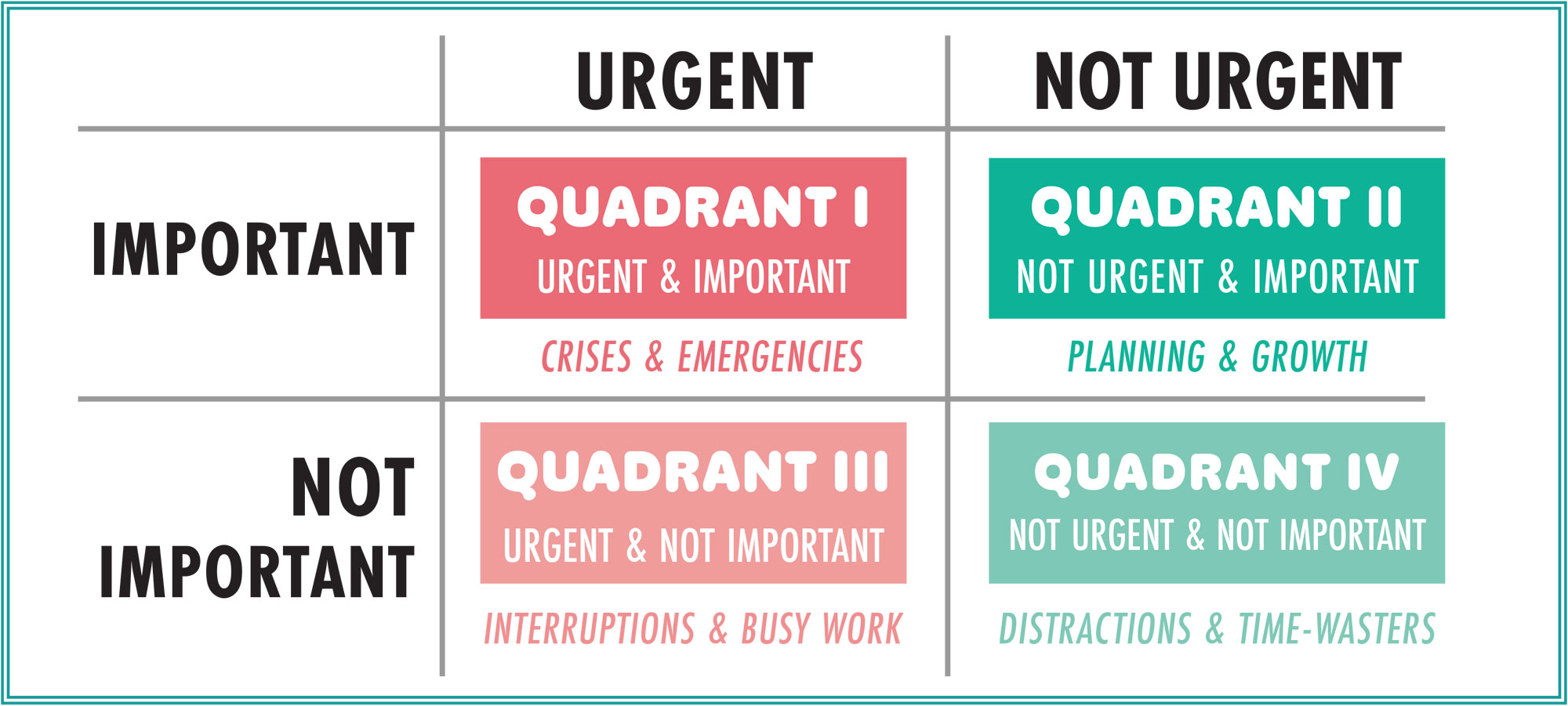
Quadrant II is where long-term success is built, but it’s also the easiest to ignore. Nothing here is screaming for your attention—there’s no immediate consequence if you skip it today, tomorrow or even this month. But over time, neglecting this quadrant creates more emergencies, more stress and more burnout. When owners say they feel stuck or overwhelmed, it’s usually because Quadrant II keeps getting pushed aside.
Then there’s Quadrant III, which is urgent but not important. This one is sneaky. These tasks feel pressing, but they don’t actually move your business forward. It looks like answering every phone call yourself even when you’re deep in payroll or scheduling. It shows up as allowing walk-in tours during peak daycare drop-off hours or jumping in to handle minor issues your team could manage just fine.
Quadrant III keeps you busy but not effective. It trains your staff to rely on you for everything and pulls you away from leadership-level work. The solution here isn’t working harder; it’s delegating, training and trusting your systems so you’re not constantly dragged back into the weeds.
Finally, there’s Quadrant IV, the not urgent and not important zone. This is where time quietly disappears. Scrolling social media with no business goal, obsessing over competitors instead of improving your own operation, or reorganizing the same supply area over and over because it feels productive. Everyone ends up here occasionally, and that’s human. The danger presents itself when it becomes a habit.
For pet resort owners, the real goal is to spend more time in Quadrant II. This is where burnout decreases, teams get stronger, clients stay longer and revenue grows without constant chaos. Projects like improving your website’s ability to convert visitors, mapping out a client retention plan, holding monthly team development meetings, or automating bookings and payments all live here. These aren’t emergencies, but they’re the reason your business eventually feels easier to run.
Using Covey’s matrix doesn’t require a massive overhaul. You can start by paying attention to how you actually spend your day, then begin scheduling Quadrant II work intentionally, treating it like an appointment instead of an afterthought. Delegate Quadrant III tasks to staff members, and be honest about how often you drift into Quadrant IV.
If you want a pet resort that feels less chaotic and more controlled, Quadrant II is the place to live. It’s where clarity replaces stress, where growth becomes intentional and where your business starts working for you instead of the other way around.
Fern is the founder of Overdog Digital, a digital marketing & consulting agency that helps dog daycare and boarding facilities attract, convert, and keep more customers by creating winning marketing campaigns and providing the business guidance to build momentum and spark long-term growth. Fern also has programs to train daycare staff, is a dog behavior consultant, and has a dog training business in New Jersey. He is the author of eight books and a popular speaker at national conferences and private events. To join The Dog Daycare Business Think Tank or ask a question, go to: www.facebook.com/groups/dogdaycarethinktank
New Products



Wisdom & Grace
The grass withers and the flowers fade, but the word of our God stands forever.
