

Business

By Kelli Dodds
 n the bustling world of pet care, where wagging tails, soothing purrs and the occasional demanding bark fill our days, technical skills are undoubtedly essential. You need to know your breeds, understand animal behavior, and master the art of a perfect groom or a stimulating walk. But what often separates a good pet care professional from an exceptional one? The answer might surprise you: it’s Emotional Intelligence, or “EI.”
Emotional intelligence is the ability to understand and manage your own emotions, and to recognize and influence the emotions of others. It’s about navigating the complex landscape of human and animal interactions with empathy, awareness and skill. And in a profession built on trust, compassion and strong relationships—with both pets and their owners—EI isn’t just a bonus; it’s a cornerstone of success.
- Building Trust with Clients: Owners entrust you with their beloved companions. Demonstrating empathy for their concerns, actively listening to their instructions, and communicating with clarity and reassurance builds a strong foundation of trust. Imagine a worried owner dropping off their senior dog for grooming. A high-EI professional will not only note the dog’s specific needs, but also acknowledge the owner’s anxieties with a kind word and a reassuring smile.
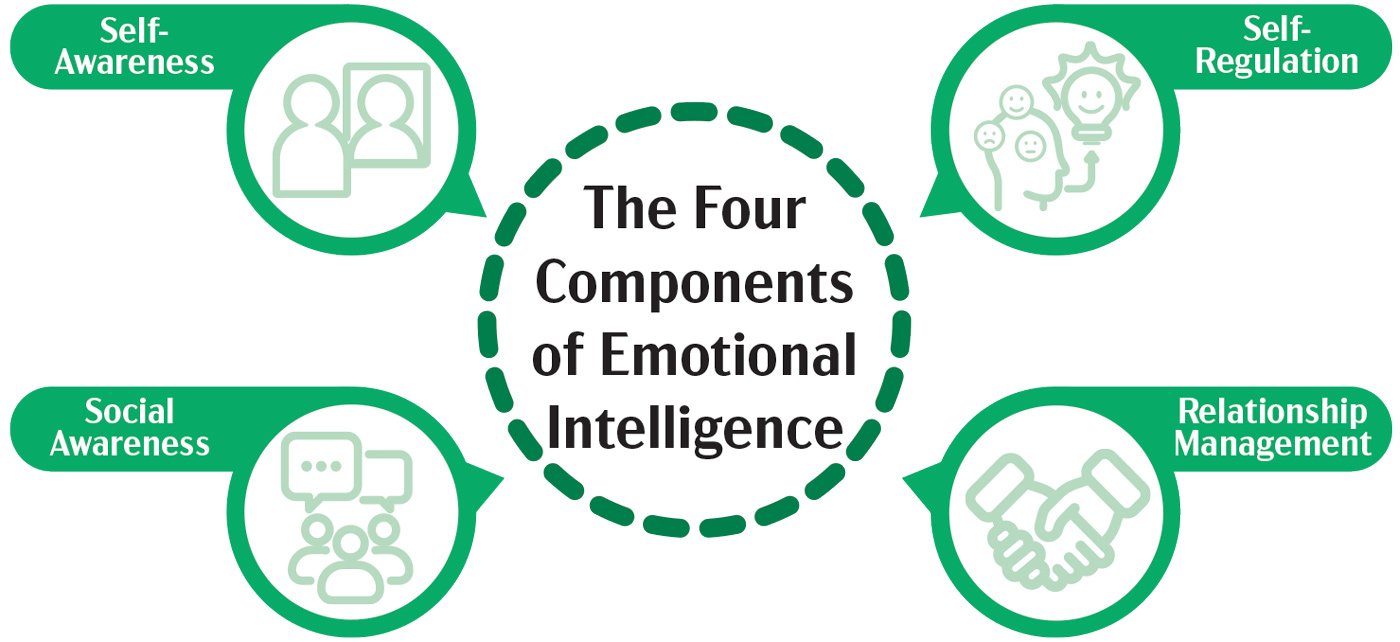
- Understanding Animal Emotions: While animals can’t verbally express their feelings in the same way humans do, they communicate through body language, vocalizations and behavior. A pet care professional with strong social awareness—a key component of EI—is attuned to these subtle cues. Recognizing signs of stress, fear or discomfort in an animal allows for proactive and compassionate care, preventing potential behavioral issues or accidents.
- Teamwork and Collaboration: Whether you’re working in a busy veterinary clinic, a bustling grooming salon or coordinating dog-walking schedules, effective teamwork is vital. EI fosters positive relationships with colleagues, enabling smoother communication, constructive conflict resolution and a more supportive work environment. Understanding your own emotional triggers and being able to manage them professionally contributes significantly to team harmony.
- Handling Stress and Pressure: The pet care industry can be demanding. Long hours, unexpected situations and the emotional weight of caring for animals can take a toll. Strong self-regulation—another pillar of EI—helps you remain calm under pressure, manage stress effectively and maintain a positive outlook, preventing burnout and ensuring consistent, high-quality care.
- Providing Excellent Service: Ultimately, emotional intelligence enhances the overall client experience. When owners feel understood, their pets are handled with sensitivity, and communication is clear and empathetic, they are more likely to be satisfied and loyal clients. This translates to positive reviews, referrals and a thriving business.
Here are some practical steps you can take to boost your EI in the pet care setting:
- Practice Active Listening: Truly focus on what clients and colleagues are saying, both verbally and nonverbally. Pay attention to their tone of voice, body language and any underlying emotions. Ask clarifying questions to ensure you understand their perspective.
- Develop Empathy: Try to put yourself in the shoes of pet owners. Understand their attachment to their animals and acknowledge their feelings, even if you don’t fully share them. A simple phrase like, “I understand this can be a little stressful for Buster,” can go a long way.
- Manage Your Own Emotions: Become more aware of your own emotional triggers and learn healthy coping mechanisms. When you feel frustrated or overwhelmed, take a moment to pause, breathe and respond thoughtfully rather than react impulsively.
- Improve Communication Skills: Practice clear, concise and empathetic communication. Choose your words carefully, especially when discussing sensitive topics like a pet’s health or behavior. Be mindful of your tone and body language.
- Seek Feedback: Ask colleagues or supervisors for constructive feedback on your interpersonal skills. Be open to learning and identifying areas where you can improve your emotional intelligence.
- Reflect on Interactions: After challenging interactions, take some time to reflect on how you handled the situation and what you could have done differently. This self-awareness is crucial for growth.

The EI Advantage
So, take a moment to reflect on your own emotional intelligence and consider how you can harness its power to create a more positive and impactful experience for everyone involved in the wonderful world of pet care.
Kelli Dodds, CEO/Founder of Next Level Leadership Academy and currently working at Perfect Pooch in King of Prussia, PA, brings a unique blend of retail management and extensive pet industry experience. Her recent 14-year journey includes leading a dog daycare and becoming a certified Pet CPR & First Aid Instructor, fostering a passion for team mentorship and operational efficiency. With an owner’s mindset and a commitment to continuous learning, Kelli offers practical insights to help pet industry businesses thrive. She’s ready to connect and empower your team for remarkable growth.