





Staff
Barkleigh Productions, Inc.
Rebecca Shipman
Laura Pennington
Brandi Aurelio
Carlee Kubistek
Luke Dumberth
Todd Shelly
Gwen Shelly
Adam Lohr
James Severs
Karin Grottola
Evan Gummo
CONTACT
General: (717) 691-3388
Editorial: rebecca@barkleigh.com
Advertising: james@barkleigh.com
12
58

Animal Behavior
Business
Think Tank
Animal Health
Industry News
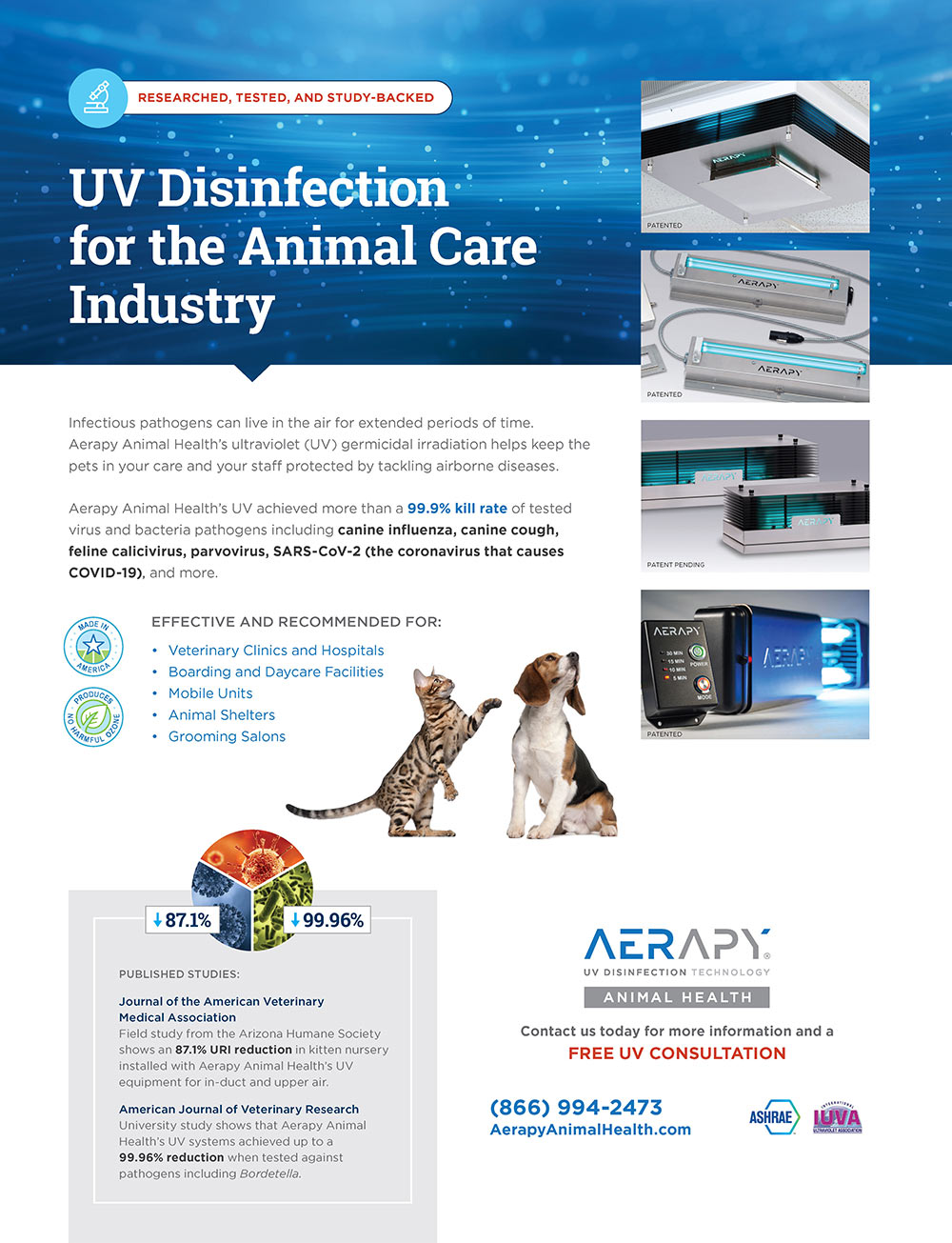
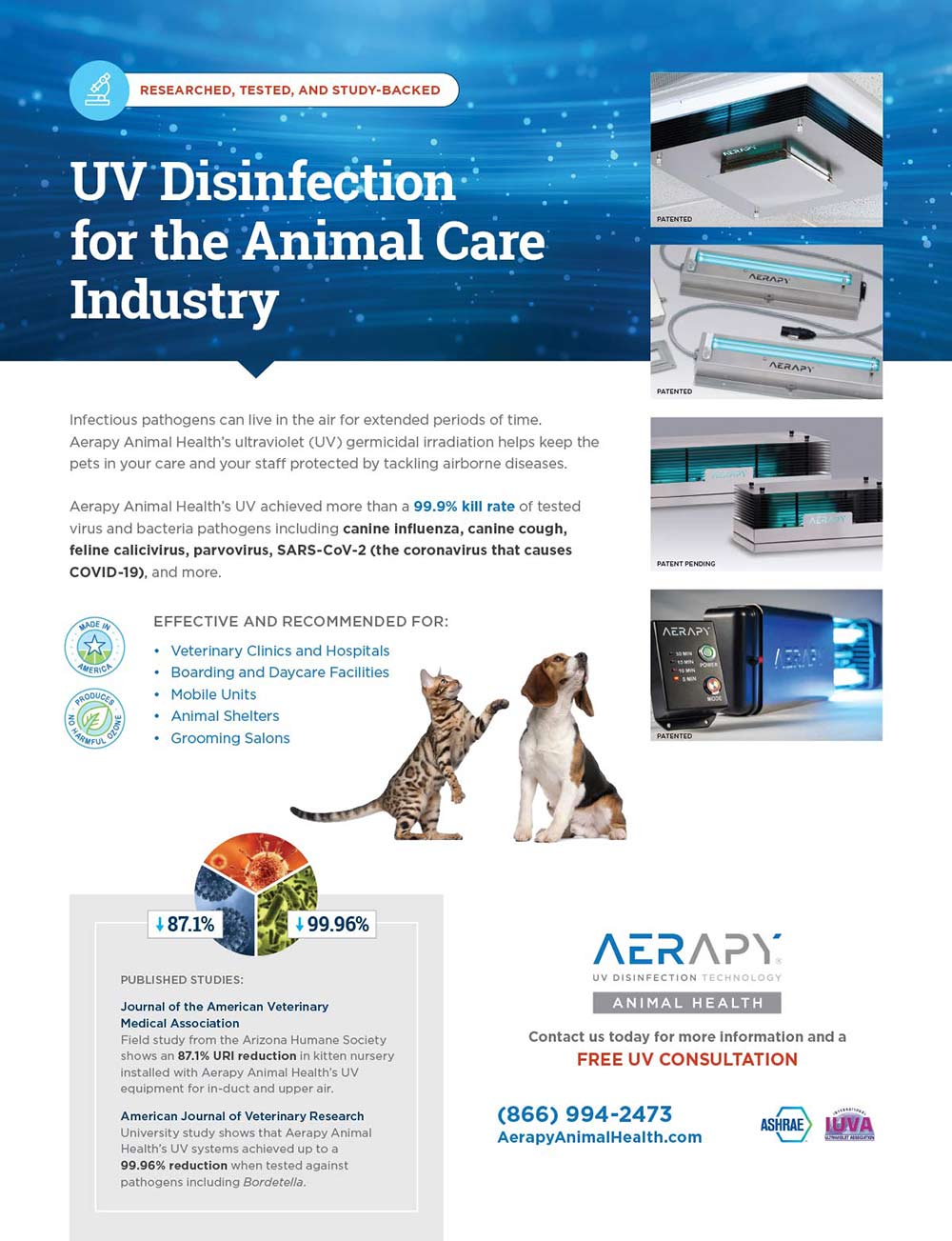
- Aerapy Animal Health7
- Alpha Tech Pet15
- Alpha Tech Pet64
- BackYard Pet Supplies25
- Barkleigh Pet Pro Cruise59
- Barkleigh Store – Groom-O-Grams61
- Barkleigh Store – Boarding Kennels: The Design Process60
- Barkleigh Store – Groom Curriculum52
- Barkleigh Store – Rosetta Bone48
- Best Friends Pet Care29
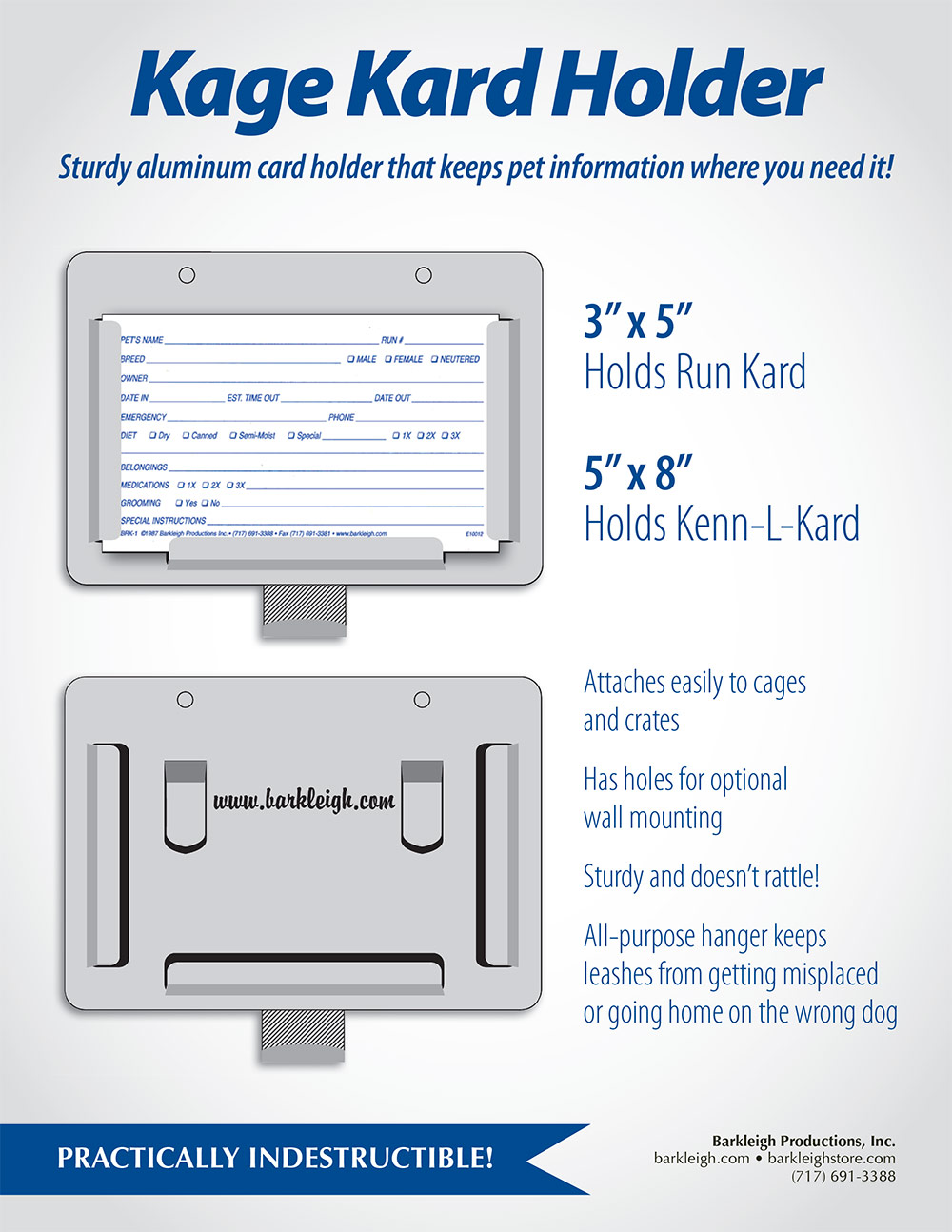
- Barkleigh Store – Kage Kard Holder47
- Best Shot Pet – Ultra MAX Pro51
- Business Insurers of the Carolinas38
- CleanWise19
- Cosmos Bathing Systems46
- Direct Animal Products43
- Dog Kennel Flooring53
- Eckel23
- Electric Cleaner Company27
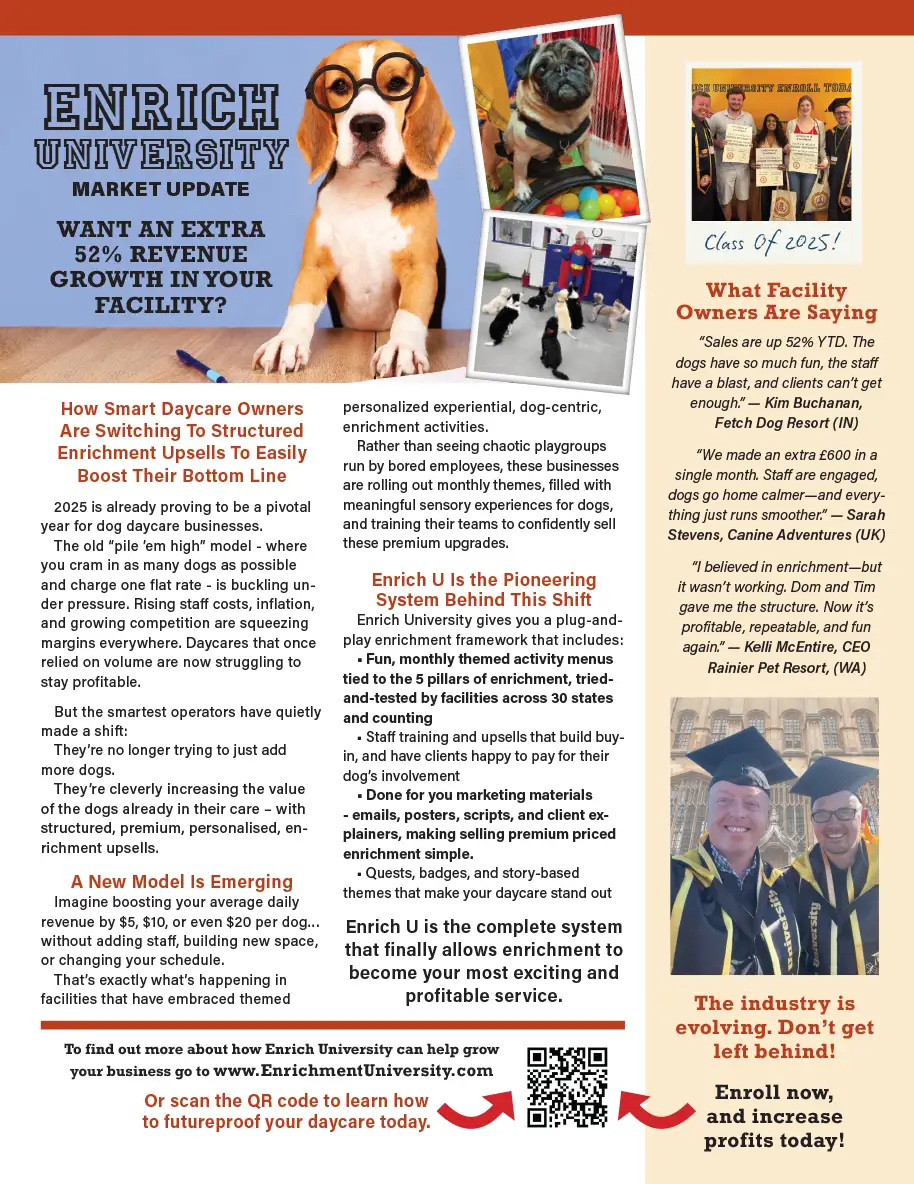
- Enrichment University31
- First Financial Bank21
- Gator Kennels42
- Governor Insurance Agency35
- Gyms for Dogs45
- K9 Grass by ForeverLawn2
- Kuranda Pro3
- Midmark5
- Natura Turf Pro34
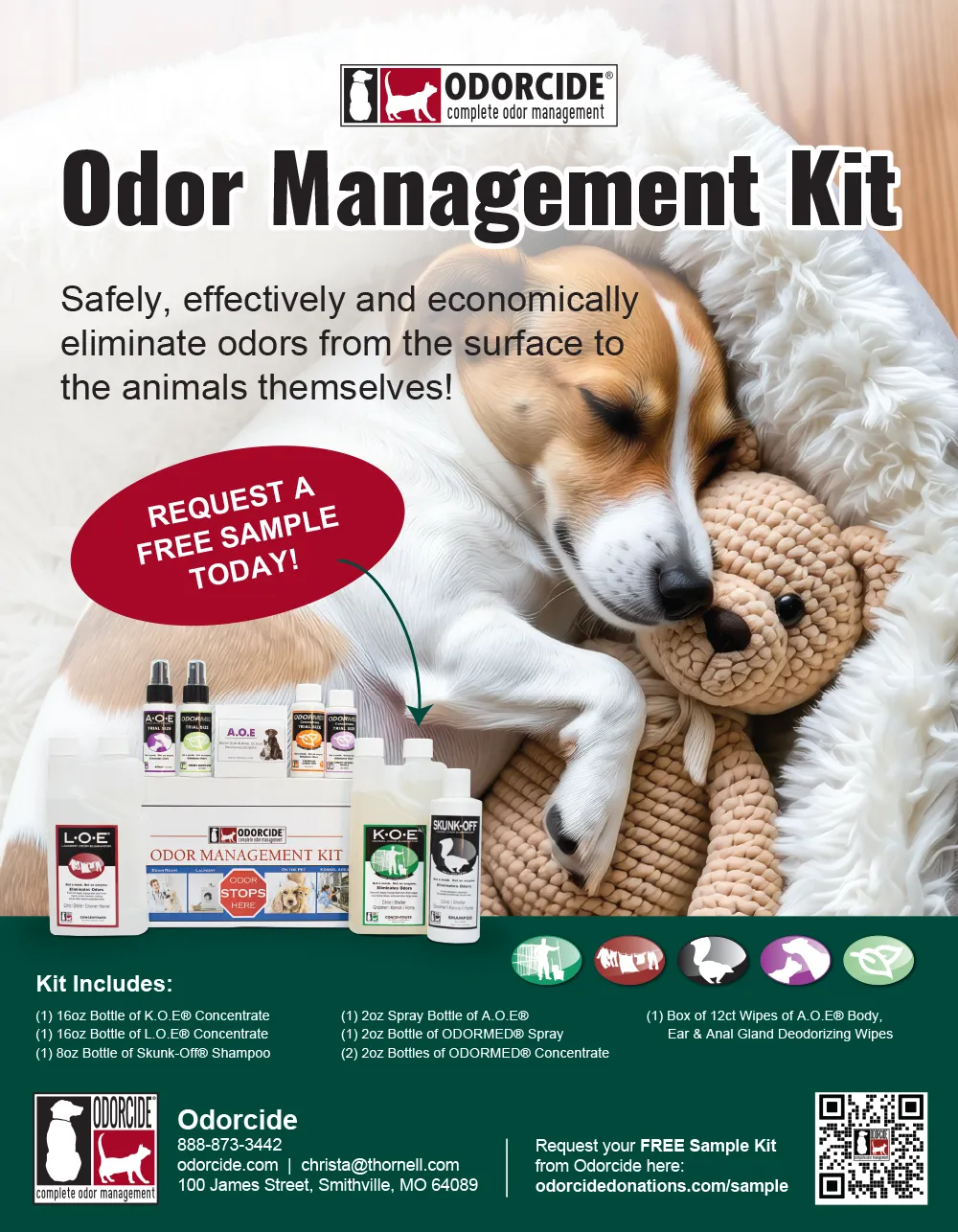
- Odorcide13
- Online Doggy44
- Outstanding Pet Care14
- Pack Pro Training24
- Paragon School of Pet Grooming28
- Pet Boarding and Daycare Podcast63
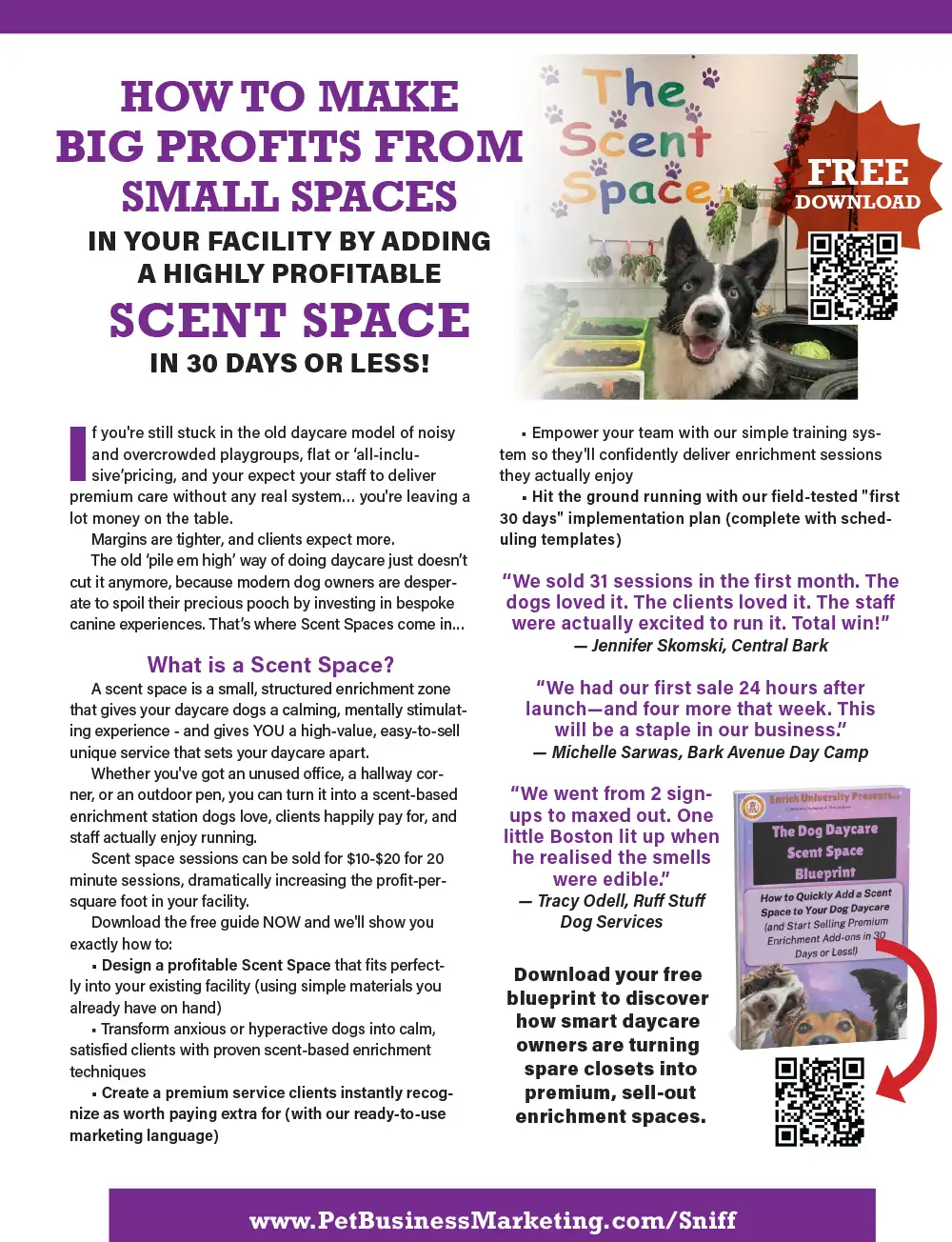
- Pet Business Marketing30
- Pet Business Marketing39
- Pet X USA56
- Pet-Shield57
- PetBizInsurance.com16
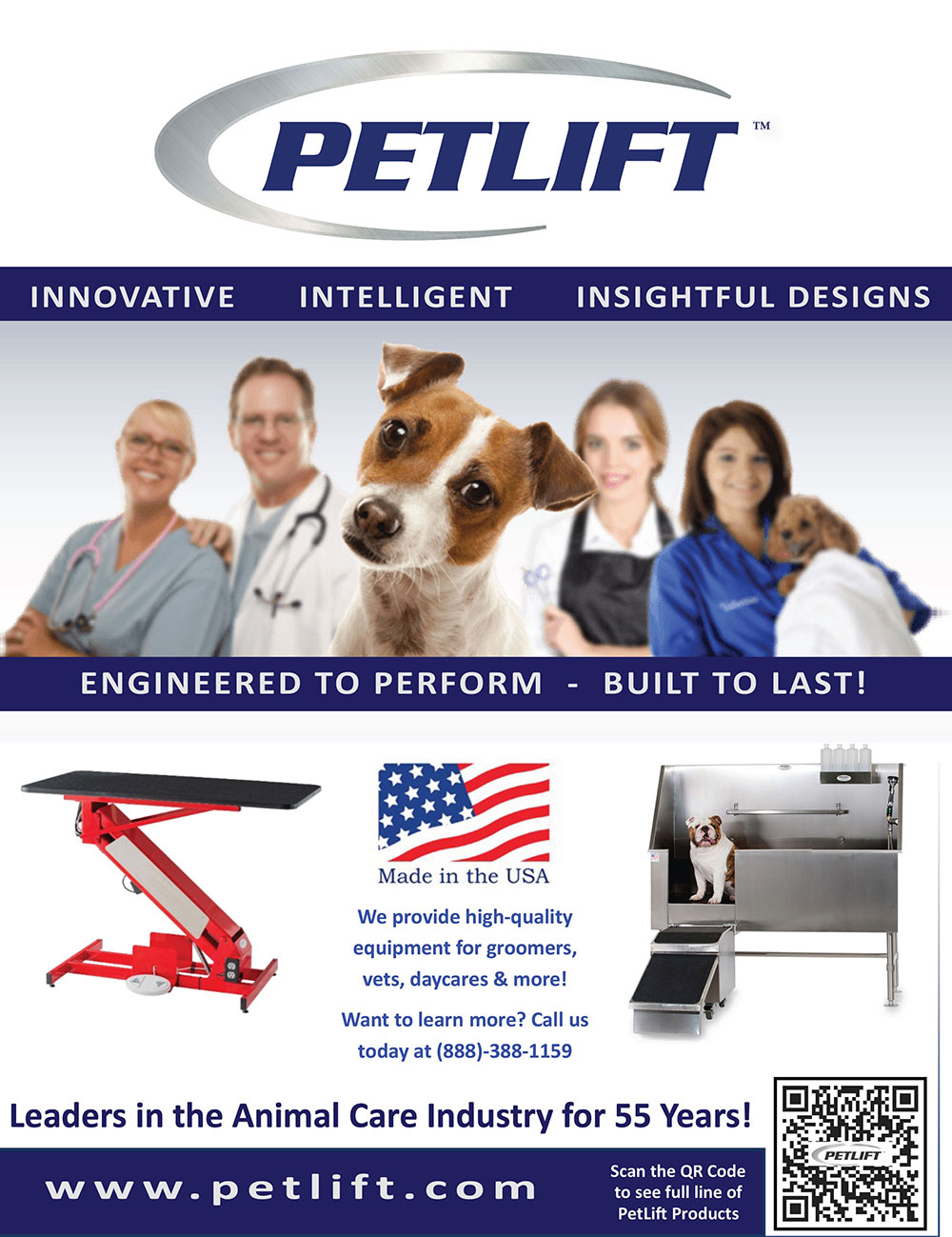
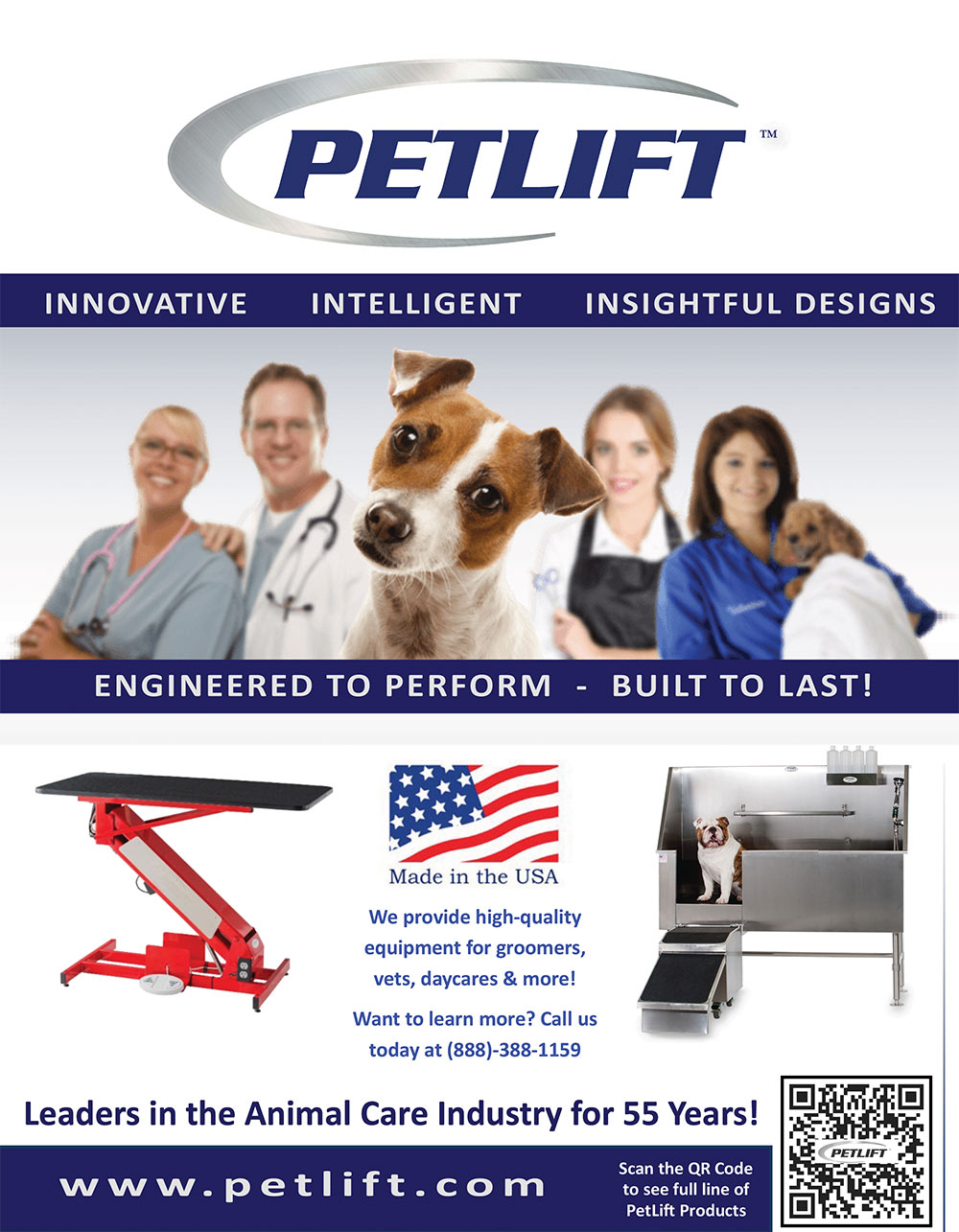
- PetLift9
- Presidio Custom Kennels8
- Professional Animal Care Certification Council55
- Professional Pet Boarding Certification18
- Puppy Playground10
- Snyder Manufacturing Company33
- Stone Mountain Pet Products20
- Turf Product Solutions49
- Turnkey, Inc.37
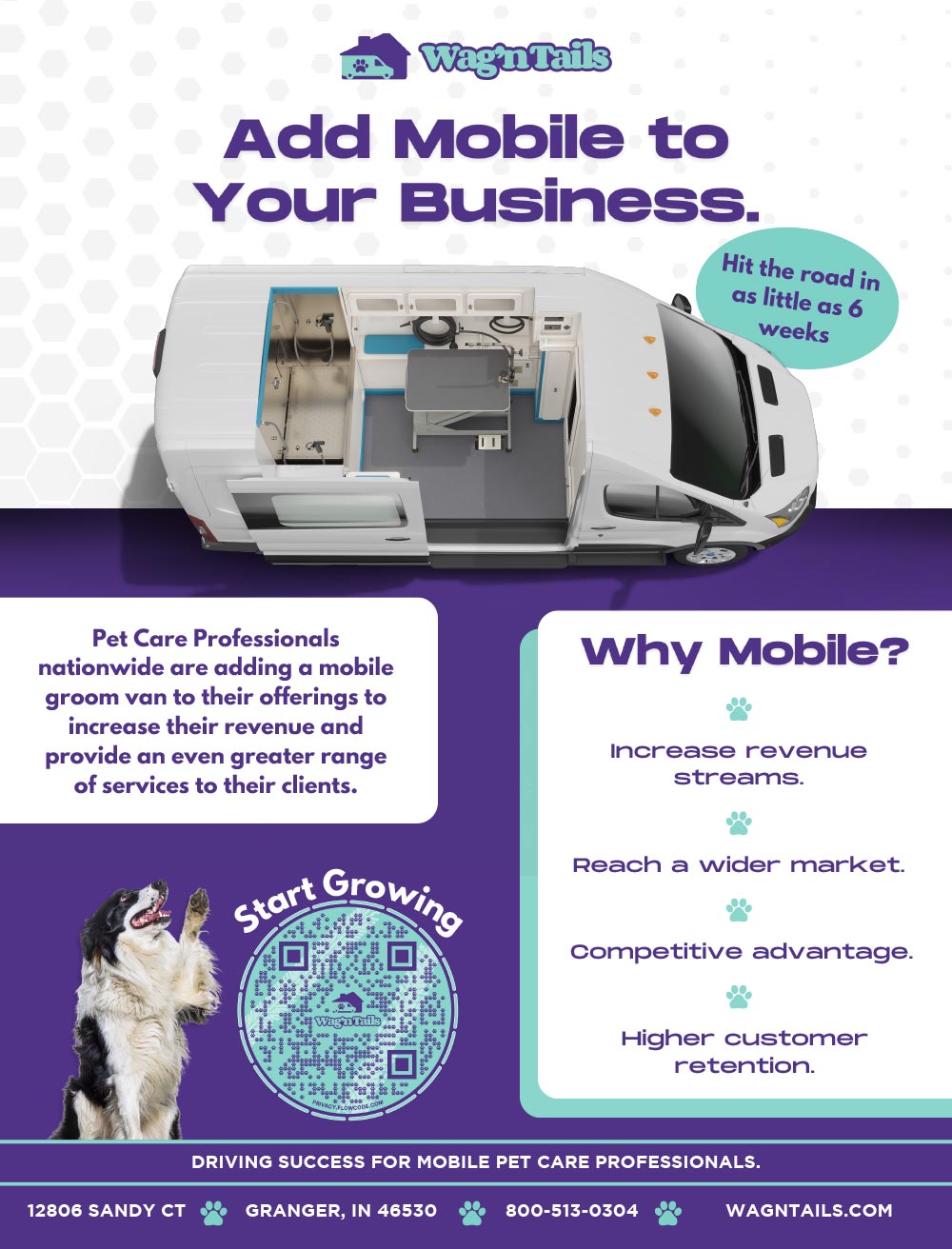
- Wag’n Tails17





















Animal Behavior

to Build Positive Behavior
By Melissa Viera
Photos provided by Melissa Viera
 he holidays bring excitement, gatherings, and plenty of temptation for people and dogs alike. That’s why it’s the perfect season to mix things up with fun training games.
Routine training has its place, but when exercises become too predictable, dogs miss out on a significant challenge: learning to respond under new and distracting conditions. By adding variety and a festive twist, trainers and daycare staff can enhance dogs’ skills while keeping things engaging for both pets and their owners.
The reason it’s essential to change the training routine regularly is that it helps dogs have more reliable responses. A dog may know how to “sit” in a training room where they practiced doing so many times, but can the dog sit while a ball bounces by or on top of a pizza box that still smells like dinner?
Creative mini challenges like these test a dog’s understanding of cues and their ability to respond appropriately. And around the holidays, you don’t have to look far for inspiration. From decorations and visiting guests to holiday snacks, the season is full of natural distractions.
Here are seven training exercises with a festive twist that can be practiced with the dogs in your care:

1. “Stay” for Holiday Photos
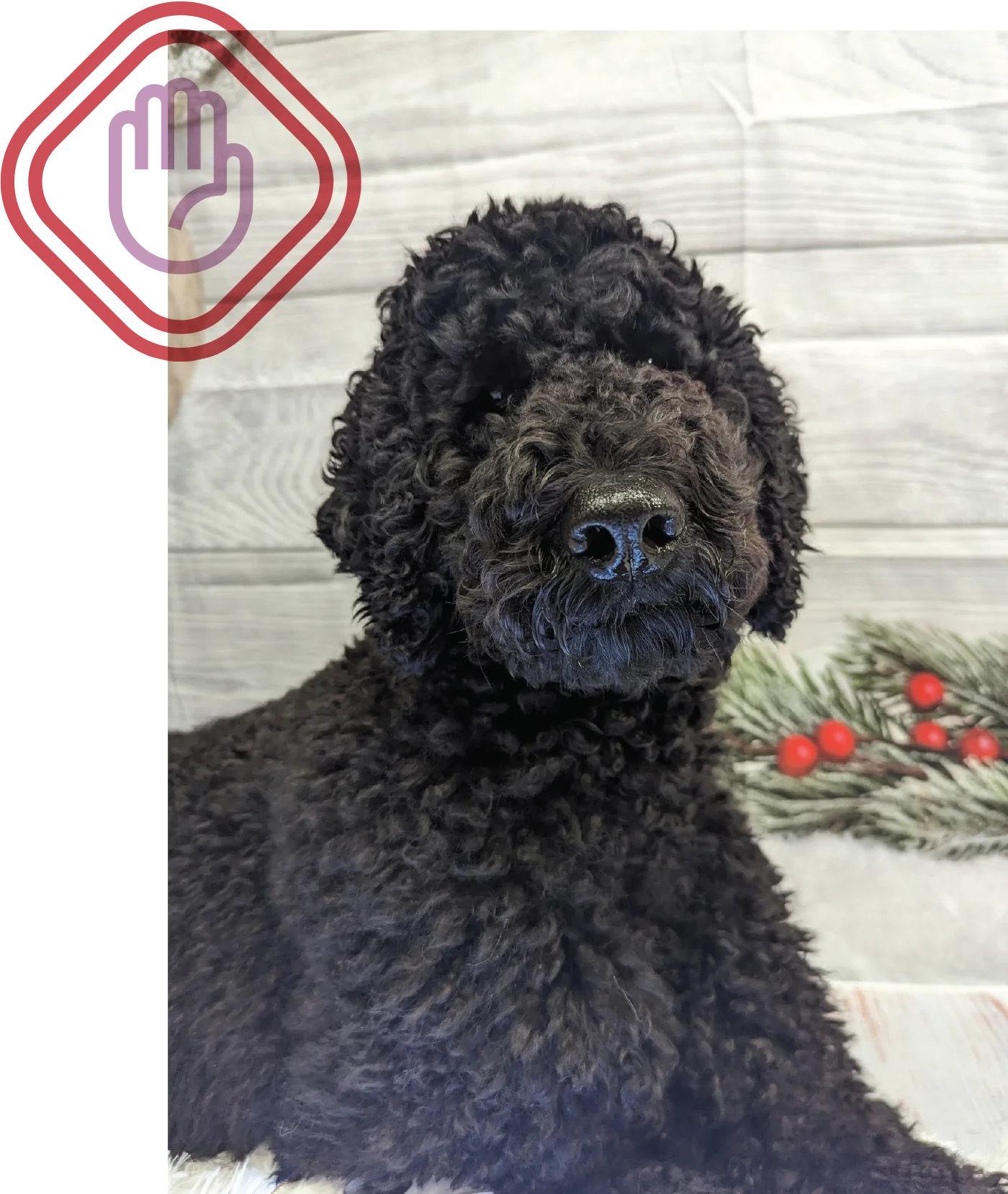
In some cases, dogs will be more nervous than distracted. If a dog shows any signs of fear or stress, the handler should not force the dog to sit next to the objects that are causing the anxiety. Nervous dogs require a gradual approach, while excitable dogs need a strong foundation. It’s up to trainers and staff members to adjust the game for the needs of each dog.

Giving the “search” cue provides a dog with permission to go after and eat a treat the handler tosses to the ground during training, for example. Any other food that hits the ground is an automatic leave it.
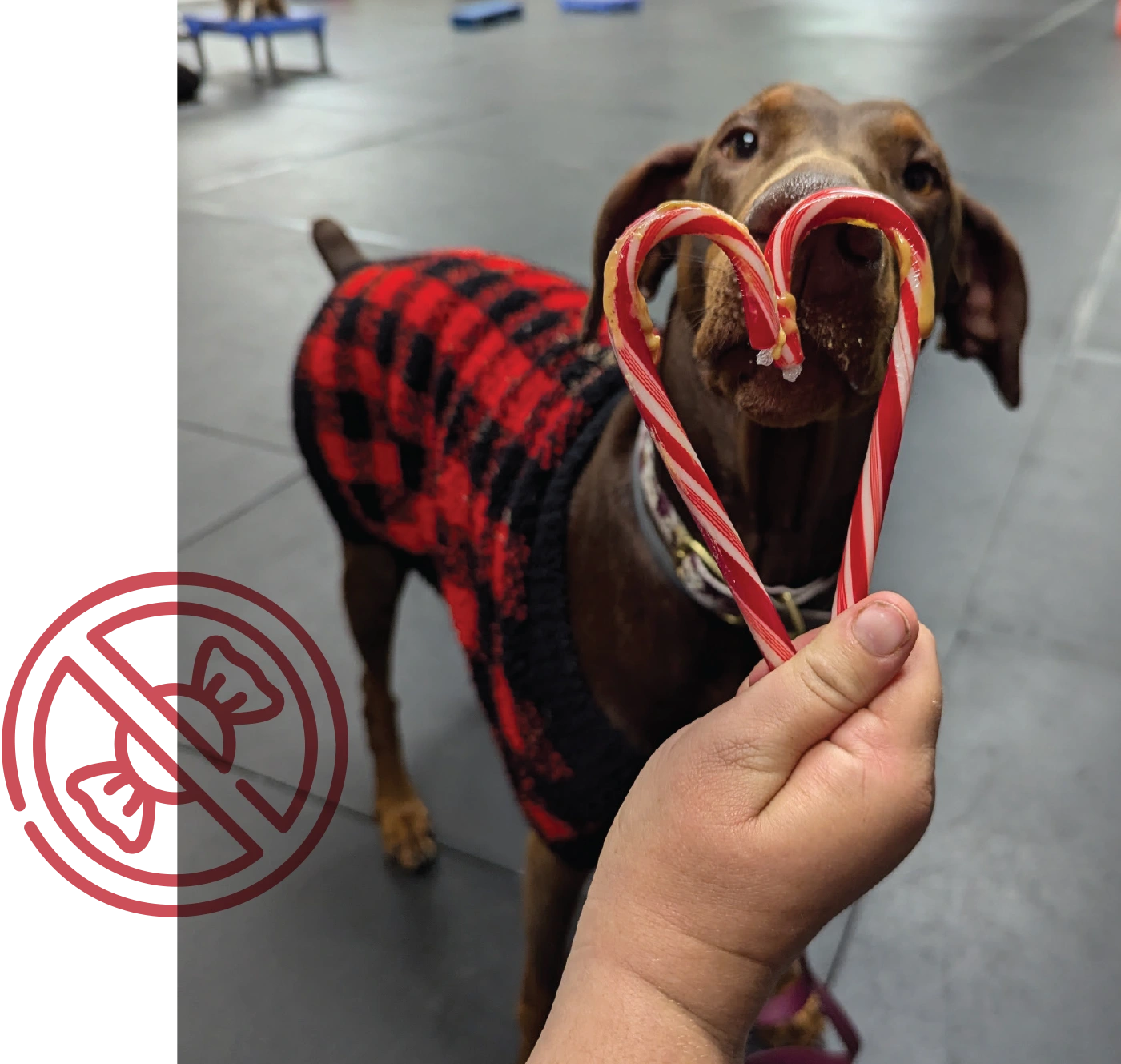
To train an automatic leave it, trainers first teach dogs the difference between when they are allowed to pick up food and when the food is not theirs to eat. Even without a command, dogs can learn that anything on the floor is off limits unless cued otherwise. While you should also train a leave-it cue, this exercise helps further a dog’s understanding.
Owners worried about their dog jumping on guests when they walk through the doorway can use “place” to move the dog away from the entrance as needed. It takes practice for this level of reliability, but many owners find that it’s a helpful skill to train for this purpose and many others.
In a class setting, set up holiday-themed distractions between the dog and the dog’s designated station. Handlers can practice sending the dogs to “place” past covered food, toys or other people. The goal is to get the dog to walk by the distractions to get to their station.

Dogs should learn how to wait at the door automatically. To train this, handlers can start with the “wait” cue and then use a cue such as “OK” to let the dog know when to go through. With consistent practice, dogs learn to wait until given their release cue.
Owners with dogs that bolt through doors should put their dog away during busy times to prevent accidents. Even with training, it’s the safest option for dogs that are flight risks.


These make great client gifts or holiday displays. Supervision is key, though. And don’t try this game with dogs that guard food or dogs that are likely to try to eat the art project.
While it takes a lot more than a few games to help train dogs for holiday distractions, these training exercises are one way to get the process started and inspire owners to continue building positive behavior in their dogs. Once you start, you might be surprised at how many ordinary holiday moments you can turn into skill-building opportunities.
Business


By Laura Laaman
 n previous years, pet care businesses could reliably count on the holiday rush to fill their buildings without much extra effort. But if you’re like most owners, you may be wondering, “Where are all the pet parents and pets this year?”
Well, fewer pet parents are traveling than in previous years—and that’s the problem. Consumer priorities took a sharp turn in the second half of 2025, and our industry is feeling the pinch. Let’s look at the reasons why, what we can do about it and how to turn this decline into a springboard for a brighter future.
For the first time since the tumultuous year of 2021, U.S. travel spending has dipped into negative territory. According to the U.S. Travel Association, summer 2025 spending was down nearly half a percent year over year1—a small yet significant reversal after years of steady growth. Reduced passenger demand has forced nearly all major U.S. airlines to cut huge numbers of flights, while the hotel industry has seen similar upsets.
Many owners may be tempted to buckle down and hope travel makes a quick comeback, but that’s a dangerous waiting game.
The reasons for these trends are layered and complex. Continued economic uncertainty, rising costs, reduced discretionary spending and even government policy shifts all play a role. But the big picture is increasingly clear: Consumer spending habits have shifted, and more people are staying home.
Many owners may be tempted to buckle down and hope travel makes a quick comeback, but that’s a dangerous waiting game. Competition is fiercer than ever, with deep-pocketed corporate rivals and tech-based alternatives striving for market share. Meanwhile, the cost of doing business—everything from cleaning supplies to wages—continues to rise. Waiting it out is rarely a safe bet, and it’s almost never a winning strategy. History shows businesses that adapt are the ones who will stay strong.
In addition, newer post-pandemic data shows that some of the most recognizable brands in the world came out of both recessions stronger than ever thanks to their adaptability.

And it’s not just about growth. Per Morgan Stanley, nearly half of Fortune 500 companies were started during recessions or economic crises.4 Companies like Disney, FedEx, Microsoft, General Motors and Costco all started in tough times.
1. Diversify Your Services
Most pet parents need more than just boarding when it comes to their pet’s care. Dog daycare, training and grooming are all important services with strong revenue potential—and unlike boarding, they’re independent of travel patterns.
Dog daycare has grown increasingly popular over the past decade, especially among the millennial and Gen Z pet parents who now make up the largest share of your customers. If you don’t offer daycare, those customers will find someone else who does—and bring their boarding business there, too. You already have the building, yards and staff, so adding or expanding daycare doesn’t mean reinventing the wheel. A robust daycare program attracts more new customers, promotes better customer loyalty, and creates meaningful breathing room during the boarding off-season or during travel slumps.


Dog grooming is a necessity for many pet parents, especially with the rise in popularity of “doodle” breeds. From goldendoodles and cavapoos to poochons and schnoodles, these dogs require regular haircuts—about every four to six weeks depending on the dog. And as any doodle owner can tell you, that adds up quickly! If you can’t swing full-service grooming, even simple dog bathing and nail trims can add another stream of revenue to keep clients coming back, whether they’re traveling or not.
2. Invest in Phone Training
A lot has changed in our culture, including the way we communicate. The phone may feel like a relic of the past—maybe even a nuisance you feel tempted to ignore. But here’s what else has changed culturally: Pet parents are humanizing their pets at unprecedented levels. A 2024 Harris Poll showed that 82% of American pet owners feel their pet is like their own child.5
That means pet parents are still picking up the phone to give you a call. They want to hear a human voice and be reassured their pet is in safe, trusted hands—whether it’s for boarding, daycare, training or grooming. So whoever is answering the phone at your facility needs to be primed to make the most out of every call that comes in. They don’t get a second chance to convert that first contact.
3. Price Appropriately
If you’re not priced appropriately, it doesn’t matter how much everything else is working, you won’t be profitable. Pricing is one of the more complicated, volatile and consequential aspects of business ownership—especially in rapidly changing economic conditions. For this reason, many top pet care facilities turn to third-party business consultants for pricing. But, there are few quick diagnostics you can use to determine if it’s time for a strategy change.
First you must examine your price model. The most common price model in this industry is the all-inclusive model—which means playtime is bundled into overnight care. This is, unfortunately, also the most disadvantageous approach. The relatively large flat rate can be alienating to some customers while undercapitalizing on others. A tiered activity, package-based model allows you to charge a lower base rate while offering the customer their choice of activity packages. Having a choice is shown to motivate customer purchasing habits, and a more customized experience is better for the pets, too.
Next, ask yourself how often you reassess and adjust your rates. If you’re like most, probably not often enough. Smaller, more frequent price adjustments help your business keep pace with increasing costs while preventing the sticker shock of larger price jumps. Once you’ve identified your ideal prices, best practice is to go forward with minor adjustments at a regular schedule—at least once per year, but ideally two or more times yearly. This ensures you can bring in enough revenue to pay your expenses and staff while growing sustainably even through the travel downslide.
To effectively charge the premium rates you deserve, though, everything else has to match those rates. This means making a great impression where it matters most: professional and enthusiastic staff (both on the phone and at the front desk), an attractive and navigable website, and even the state of your building and lobby (any chipping paint, unpleasant smells or excessive dirt?). This all affects your perceived value and whether the experience at your facility is worth the price in the customer’s mind.
- The U.S. Travel Insights Dashboard. (2025, June). U.S. Travel Association. https://www.ustravel.org/research/travel-recovery-insights-dashboard
- Forecasters now expect zero revenue growth for U.S. hotels this year. (2025, August). Travel Weekly. https://www.travelweekly.com/Travel-News/Hotel-News/Forecasters-expect-zero-revenue-growth-US-hotels-2025
- Roaring Out of Recession. (2010, March.). Harvard Business Review. https://hbr.org/2010/03/roaring-out-of-recession
- Nearly half the Fortune 500 was created during times of economic stress. (2022, September). Market Watch. https://www.marketwatch.com/story/heres-the-good-news-if-theres-a-recession-nearly-half-the-fortune-500-was-created-during-times-of-economic-stress-morgan-stanley-says-11663156317
- The State of Pets: Unpacking America’s Pet Preferences. (2024, October). The Harris Poll. https://theharrispoll.com/wp-content/uploads/2024/10/State-of-Pets-October-2024.pdf
Laura Laaman is president of Outstanding Pet Care. If you’re interested in the strategies discussed in this article and want to grow your revenue with our proven, guaranteed services, schedule a consultation by calling 1-888-836-8740 or visiting www.outstandingpetcare.com/contact

Business

By Kelli Dodds
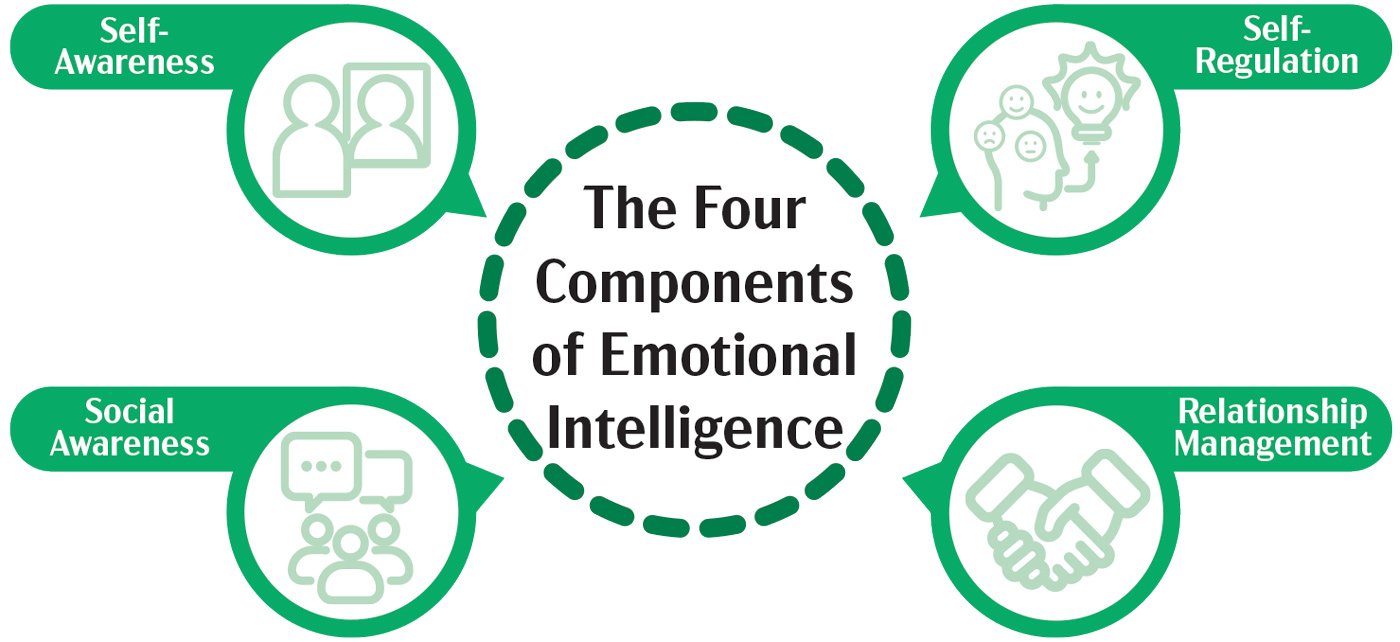
n the bustling world of pet care, where wagging tails, soothing purrs and the occasional demanding bark fill our days, technical skills are undoubtedly essential. You need to know your breeds, understand animal behavior, and master the art of a perfect groom or a stimulating walk. But what often separates a good pet care professional from an exceptional one? The answer might surprise you: it’s Emotional Intelligence, or “EI.”
Emotional intelligence is the ability to understand and manage your own emotions, and to recognize and influence the emotions of others. It’s about navigating the complex landscape of human and animal interactions with empathy, awareness and skill. And in a profession built on trust, compassion and strong relationships—with both pets and their owners—EI isn’t just a bonus; it’s a cornerstone of success.
- Building Trust with Clients: Owners entrust you with their beloved companions. Demonstrating empathy for their concerns, actively listening to their instructions, and communicating with clarity and reassurance builds a strong foundation of trust. Imagine a worried owner dropping off their senior dog for grooming. A high-EI professional will not only note the dog’s specific needs, but also acknowledge the owner’s anxieties with a kind word and a reassuring smile.
- Understanding Animal Emotions: While animals can’t verbally express their feelings in the same way humans do, they communicate through body language, vocalizations and behavior. A pet care professional with strong social awareness—a key component of EI—is attuned to these subtle cues. Recognizing signs of stress, fear or discomfort in an animal allows for proactive and compassionate care, preventing potential behavioral issues or accidents.
- Teamwork and Collaboration: Whether you’re working in a busy veterinary clinic, a bustling grooming salon or coordinating dog-walking schedules, effective teamwork is vital. EI fosters positive relationships with colleagues, enabling smoother communication, constructive conflict resolution and a more supportive work environment. Understanding your own emotional triggers and being able to manage them professionally contributes significantly to team harmony.
- Handling Stress and Pressure: The pet care industry can be demanding. Long hours, unexpected situations and the emotional weight of caring for animals can take a toll. Strong self-regulation—another pillar of EI—helps you remain calm under pressure, manage stress effectively and maintain a positive outlook, preventing burnout and ensuring consistent, high-quality care.
- Providing Excellent Service: Ultimately, emotional intelligence enhances the overall client experience. When owners feel understood, their pets are handled with sensitivity, and communication is clear and empathetic, they are more likely to be satisfied and loyal clients. This translates to positive reviews, referrals and a thriving business.
Here are some practical steps you can take to boost your EI in the pet care setting:
- Practice Active Listening: Truly focus on what clients and colleagues are saying, both verbally and nonverbally. Pay attention to their tone of voice, body language and any underlying emotions. Ask clarifying questions to ensure you understand their perspective.
- Develop Empathy: Try to put yourself in the shoes of pet owners. Understand their attachment to their animals and acknowledge their feelings, even if you don’t fully share them. A simple phrase like, “I understand this can be a little stressful for Buster,” can go a long way.
- Manage Your Own Emotions: Become more aware of your own emotional triggers and learn healthy coping mechanisms. When you feel frustrated or overwhelmed, take a moment to pause, breathe and respond thoughtfully rather than react impulsively.
- Improve Communication Skills: Practice clear, concise and empathetic communication. Choose your words carefully, especially when discussing sensitive topics like a pet’s health or behavior. Be mindful of your tone and body language.
- Seek Feedback: Ask colleagues or supervisors for constructive feedback on your interpersonal skills. Be open to learning and identifying areas where you can improve your emotional intelligence.
- Reflect on Interactions: After challenging interactions, take some time to reflect on how you handled the situation and what you could have done differently. This self-awareness is crucial for growth.
The EI Advantage
So, take a moment to reflect on your own emotional intelligence and consider how you can harness its power to create a more positive and impactful experience for everyone involved in the wonderful world of pet care.
Kelli Dodds, CEO/Founder of Next Level Leadership Academy and currently working at Perfect Pooch in King of Prussia, PA, brings a unique blend of retail management and extensive pet industry experience. Her recent 14-year journey includes leading a dog daycare and becoming a certified Pet CPR & First Aid Instructor, fostering a passion for team mentorship and operational efficiency. With an owner’s mindset and a commitment to continuous learning, Kelli offers practical insights to help pet industry businesses thrive. She’s ready to connect and empower your team for remarkable growth.


 question I get asked a lot is, “Dom, you’ve worked with thousands of pet businesses—what’s the one thing I can do to make my business better?”
The truth? There isn’t one thing. Success isn’t about magic bullets—it’s about a series of proven actions that compound into sustained results. That said, for dog daycares and pet resorts, there is one thing that will transform your reputation, the quality of care you deliver and the profit you generate. That one thing is enrichment.
Let’s be blunt: Allowing dogs to roughhouse in a group setting all day isn’t healthy, safe or even desirable. It’s lazy, it leads to over-stimulated dogs and it makes your facility look like a free-for-all. Parents want better, staff deserve better and your bottom line needs better.
That’s why enrichment isn’t just an “add-on.” It’s the golden key that lets you step away from the outdated “pile-’em-high” model and position your daycare as the premium, professional choice in your community. So, it’s no wonder that the stand-out, profitable, future-proof daycares all lean hard into enrichment.
You may be thinking, “We don’t have enough space,” “My staff won’t do it,” “I don’t know what to charge,” or “Clients won’t pay anyway.” But none of these are true.
You don’t need a football field to create meaningful enrichment space; a lobby or small outdoor scent space can transform a dog’s day. Staff can be trained (and motivated) to deliver it, clients will pay when you show the value and the biggest cost of all is giving enrichment away for free (which far too many daycares still do).
So, if you want to step out of the race to the bottom and into premium territory, here’s what the best facilities are doing right now…
You can do the exact same thing in your daycare. Any everyday daycare session can be elevated when you wrap it in a theme:
- A pool session can become a Pooch Pirate adventure.
- An outdoor walk becomes a Canine Camping Expedition.
- An agility run morphs into Pawlice Academy training school.
Themes keep staff engaged, get parents excited and turn everyday activities into shareable, premium-feeling experiences. You do this at Christmas, Valentines Day and Halloween, and you make more sales, so why not do it all year round?
- Scent spaces in small rooms or corners of the facility.
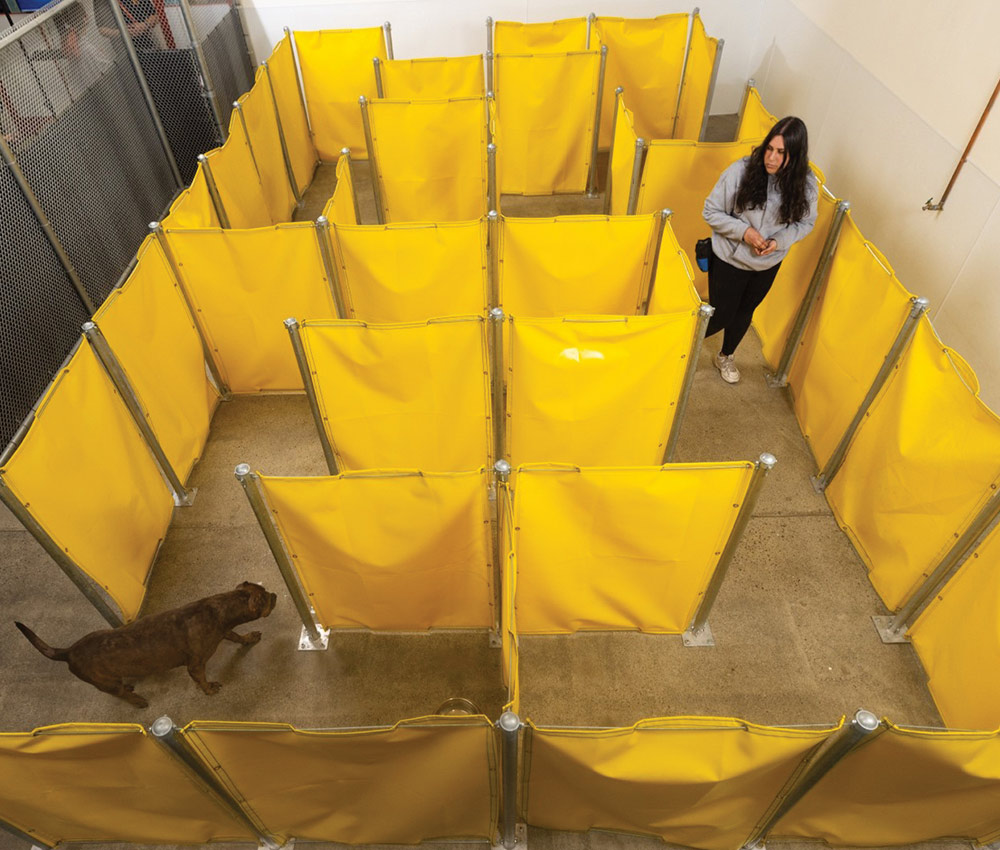
- Dog mazes that challenge brains as well as bodies.
- Storytime sessions that calm anxious dogs.
And remember, pet parents—especially affluent ones—want the opportunity to treat their dog to something special. If you can offer an activity that makes their dog happy, they’ll be happy too, and you’ll be amazed what they will invest in premium upsell activities.
The best operators I know give their handlers a ladder to climb—from basic care to enrichment leader to program designer. That’s how you create buy-in and pride.
Once your team starts doing enrichment activities, they’ll see for themselves how enjoyable it is, as it provides a much-needed break from the usual routine of just “watching dogs” all day.
A great way to start is with a simple “Why Enrichment Matters” Or “Why Your Dog is Bored” guide for new clients. Hand it out at meet-and-greets, and suddenly you’re educating instead of “selling.”
Facilities have also had great success with putting on client appreciation events, which double as enrichment education sessions. If you give your clients the opportunity to take part in sensory activities that are fun and interactive, then you help join the dots between enrichment activities and happy dogs.
Imagine increasing your revenue per dog by $10, $20 or $30 a day. Well, you can by creating a simple enrichment menu that has a range of activities which ascend in price. This gives new clients an opportunity to try something different for their dog, provides additional options for clients who already bought into enrichment and want to book multiple offerings, and points clients who want to spoil their dog towards your most expensive enrichment options.
The facilities that will thrive in the next five years won’t be the ones cramming in more dogs at rock-bottom prices. They’ll be the ones that use enrichment to create safer, healthier, more exciting experiences for the dogs—and in doing so, they’ll create more profitable, sustainable businesses for themselves.
So, are you ready to step up, embrace enrichment and claim the crown as the leading daycare in town?


By Jennifer Bishop Jenkins
 ost pet professionals realize that cats are very different from dogs. But it can be a challenge to build the separately necessary routines and physical facility arrangements needed to accommodate all these differences.
The best pet care facilities are aware, for example, that the air filtration systems for dogs and cats need to be separate because of cats’ high sensitivity to airborne germs and respiratory issues, and that noise levels in cat areas must be managed differently, as they are more susceptible to stress.
One aspect of cat management that may get overlooked in boarding, grooming or caring for cats is all the transitions that the cat experiences coming into, out of and during your care. These transitions are critical because they are where cats can become instantly scared, incredibly stressed or in full-out panic mode.
It is in the transitions between situations, surroundings, and even the cat’s own physical postures where they most risk escapes or injuries of both the cat and the people around them. Managing every transition between the smallest aspect of a cat’s physical and psychological situation is critical. Also critical is training your staff on the importance of anticipating the need to make the cat feel completely secure before even the smallest transition in situation or posture.
Whether your business picks the cat up from the owner’s home or the cat is brought to you, the owner must have an appropriate cat carrier in advance of your taking possession of the cat. Preferably the cat carrier has been out and available for the cat to see, explore and get used to, which will eliminate the negative association that could be formed if the carrier is only brought out when the cat needs to be transported.
The old traditional cat carriers that are enclosed hard plastic with a caged front door at one end and a handle on top will often cause cats to back up in fear and sometimes panic as someone tries to open the door, reach in and forcibly pull them out. If that transition out of the carrier goes badly, you have already “lost” them psychologically before your time with them even begins.

Managing every transition between the smallest aspect of a cat’s physical and psychological situation is critical.


Managing every transition between the smallest aspect of a cat’s physical and psychological situation is critical.

The bottom line is owners must be working with you in advance to make sure that the cat can be removed from their carrier in a way that starts them off feeling safe and stressed as little as possible during transport, and that facilitates a much less stressful transition from the owner’s custody to yours.
The next transition is introducing them to the space they will be staying in. Make sure the space the cat is going into next is completely ready for them to enter smoothly before they leave their carrier. To transfer them from their carrier, reach down from above to lift or move them. Use your non-dominant hand to wrap around and between the two front legs and your dominant hand to slide underneath the back legs, cupping them fully and pushing them upwards against their torso.
If you offer cat grooming as well, swaddling them in a towel after bathing and during gentle drying with their legs wrapped securely up against their bodies is very reassuring for cats. You also want to make sure all the spaces cats are in for grooming are separate from noise, stress, dogs, strangers, etc., and that the bath water is completely prepared in advance.
As your cat clients move throughout their time in your care, remember that any change at all in circumstance, such as arrivals, departures, new animals or people, food routines, litter boxes cleanings or sounds, need to be handled as smoothly, gently, safely and quietly as possible to set the cat up for a stress-free stay.




By Eyal Cohen
 or many pet resort owners, the idea of handing over the reins to someone else can feel risky—even unthinkable. After all, you didn’t just build a dog daycare or boarding business; you built a place people trust with their four-legged family members. How could anyone else care about it as much as you do?
But here’s what the most successful owners eventually realize: Trusting a great General Manager (GM) isn’t a risk—it’s a necessity. Without trust, you become the bottleneck. With it, you unlock growth, stability and freedom, and when the time comes, a real exit.
Trust Is the Engine behind Growth
A great GM doesn’t just babysit the front desk; they build systems for smoother check-ins, refine staffing schedules to handle peak holiday seasons, enforce health and safety protocols, and keep both clients and their pets happy. They’re not just executing orders—they’re managing the heartbeat of your operation.
Even more importantly, GMs are closest to the day-to-day realities of your facility. They see the first signs of Bordetella outbreaks, know which daycare groups need reshuffling, and hear firsthand from pet parents about what’s working and what isn’t. Their proximity gives them an edge that owners, no matter how involved, can’t replicate from behind the scenes.
Trusting your GM doesn’t mean disappearing; it means moving from managing tasks to managing outcomes. It’s about setting clear standards, such as occupancy goals, customer satisfaction scores and staff retention rates, and giving your GM the authority to deliver. Trust isn’t about blind faith; it’s a two-way agreement: empower your GM, and they deliver measurable results.
“This isn’t a one-person show—it’s a well-run operation that can continue to grow.”
If you ever plan to sell your pet resort (and most owners eventually do), a business that runs entirely through the owner is far less attractive to buyers. Buyers want to see a business with strong operational leadership already in place. A facility with a trusted GM signals stability and scalability. It tells a buyer, “This isn’t a one-person show—it’s a well-run operation that can continue to grow.”
In other words, empowering your GM isn’t just about improving the day to day; it’s a key part of your exit strategy. The earlier you build a leadership team that can thrive without you, the more valuable (and sellable) your business becomes.
Transparency is critical, too. Weekly reporting on occupancy percentages, daycare group sizes, incident reports and customer feedback helps you stay connected to the pulse of the business without micromanaging.
Decision-making boundaries should also be clear. Your GM should have autonomy over staff schedules and operational decisions, but know when to loop you in for bigger items like capital improvements or major hiring decisions.
And don’t overlook the power of recognition. A GM who feels trusted and sees their hard work acknowledged will lean in even more. Public praise, a bonus tied to performance, or even a heartfelt thank-you can reinforce that trust and drive even better results.
Finally, remember to start with trust. If you’ve hired the right person, assume positive intent. Your belief in their leadership will give them the confidence to lead boldly, and will ultimately give you the freedom to step back smartly, not anxiously.
In the dog daycare and boarding world, reputation is everything. And the best way to protect and grow that reputation is by putting the right people in charge and trusting them to do what they do best.
Trust your GM today, and you’re not just improving your business—you’re building a company that’s poised for real growth, real freedom and, when the time comes, a real exit.
Eyal Cohen is the Co-Founder and Chief Development Officer of Pet Resort Hospitality Group (PRHG), which owns and operates 34 pet resort locations nationwide. With nearly 1,000 employees caring for over 2,000 pets each day, PRHG is one of the fastest-growing platforms in the industry. Eyal has hands-on experience in every facet of pet resort operations and now works directly with owners to guide them through the transition of partnering with PRHG. He provides strategic, operational, and managerial support with a focus on long-term value—and is actively looking to build meaningful relationships with pet resort owners who care deeply about their people, their pets, and their legacy.


Photos by Green Beagle Lodge Liaisons
 n the fast-moving world of pet care, where trends shift and client expectations grow even higher, Green Beagle Lodge has carved out a unique niche as both an industry innovator and a trusted neighborhood institution. And with two locations in North Carolina, the Lodge combines premium pet care with a steadfast commitment to environmental responsibility, employee development and an exceptional client experience.
In 2011, couples Tammy and Drew Purner and Margy and David Schmidt shared a vision of creating a pet resort unlike any other. They each brought unique strengths to the venture: Tammy manages projects and events, Drew oversees finance and facilities, Margy directs HR, recruitment and training, and David guides marketing strategy.


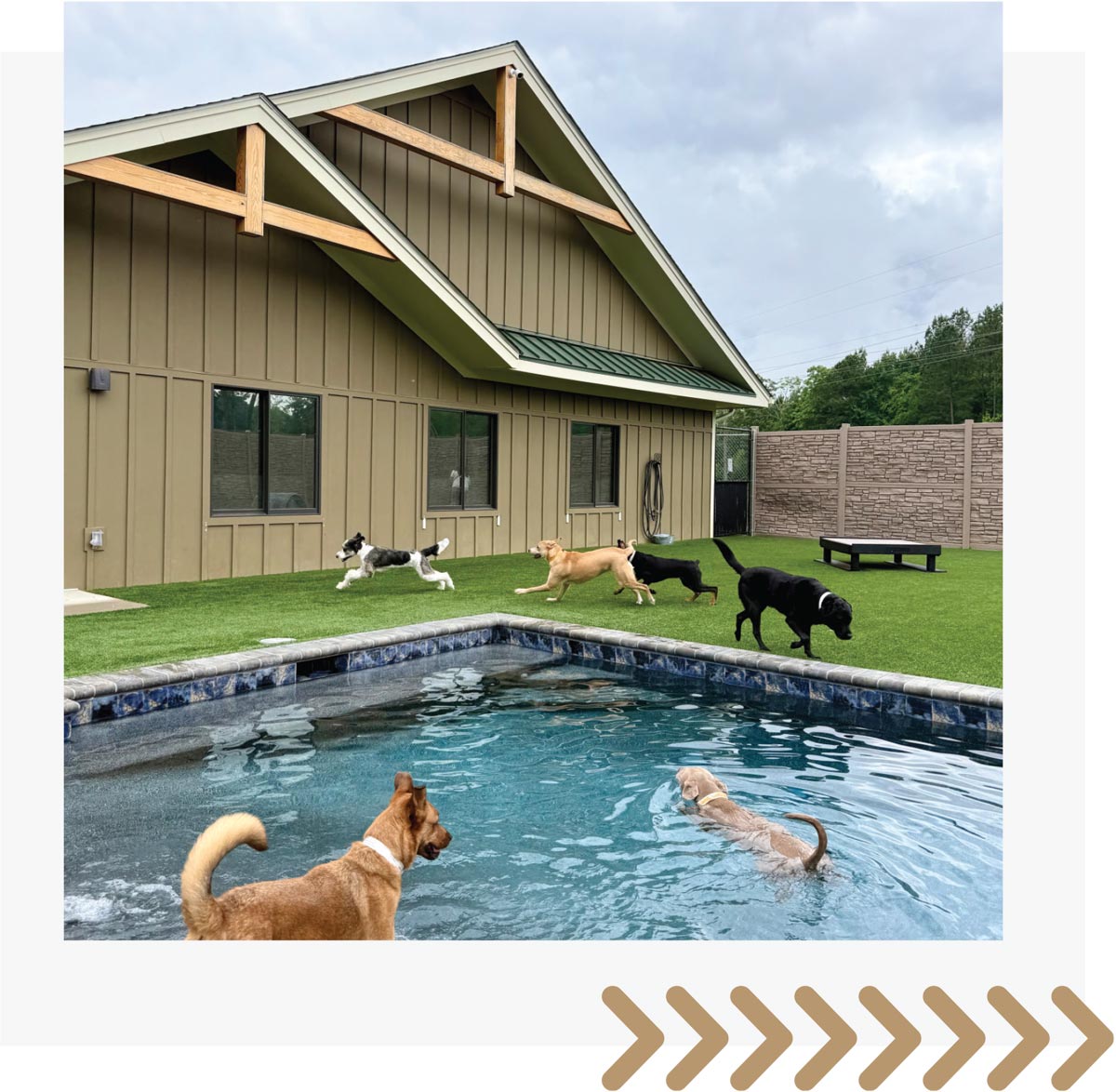
Their vision took shape in 2014 with the opening of their first purpose-built facility in Chapel Hill, followed by a larger, state-of-the-art second location in Pittsboro in 2022. Both Lodges were built from the ground up with green principles and sustainability in mind. Drew Purner designed the preliminary layout for their first location, incorporating the green aspects in the layout.
“We have rainwater harvesting systems that collect and store water for cleaning and toilet flushing,” explains David Schmidt. “We also have sun tunnels to bring in natural light, thereby reducing energy usage.
“In addition,” he continues, “we have over 50,000 sq. ft. of reclaimed turf, sourced from sports fields across the country that has been repurposed for our play yards.”
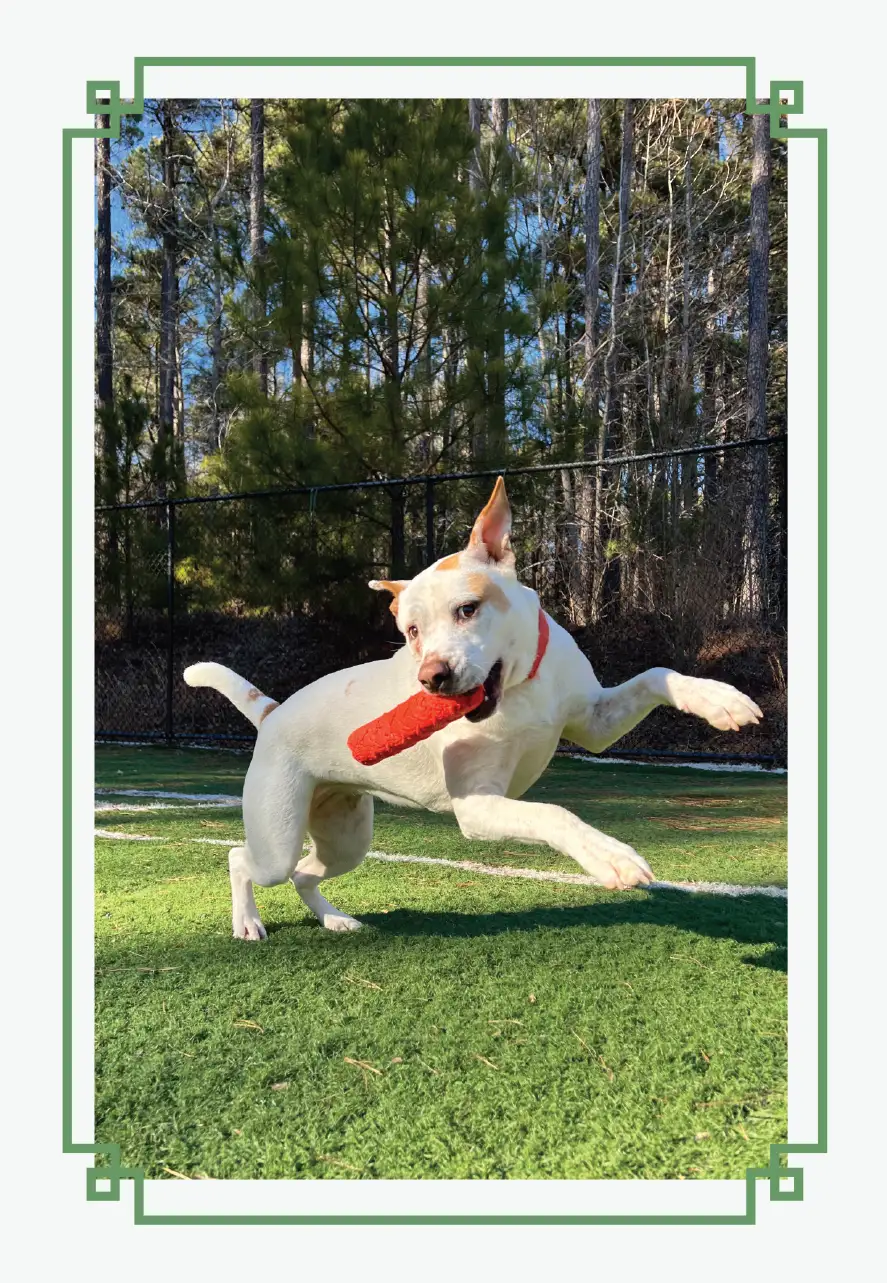

A lot goes into the grouping of dogs for daycare, including their size, temperament, play style, activity level, etc.

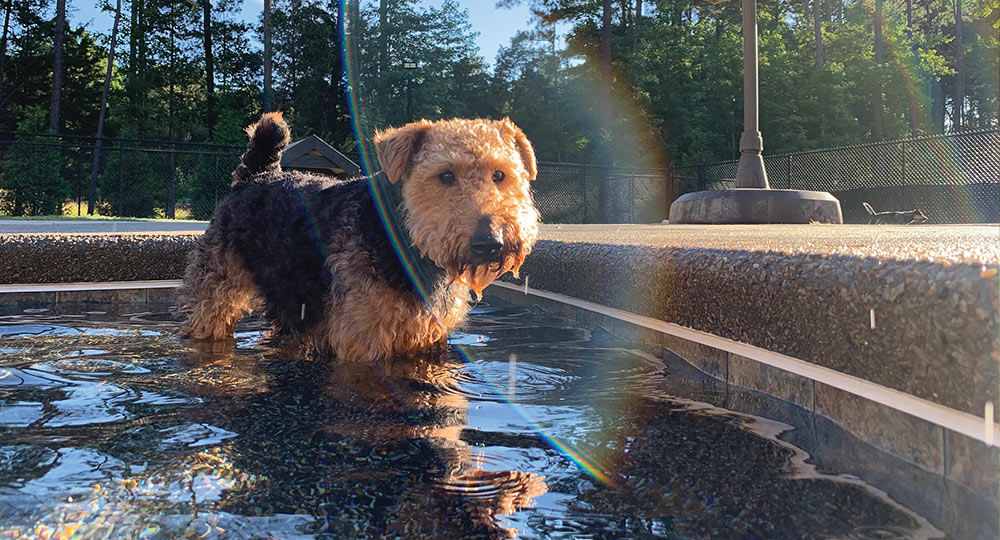
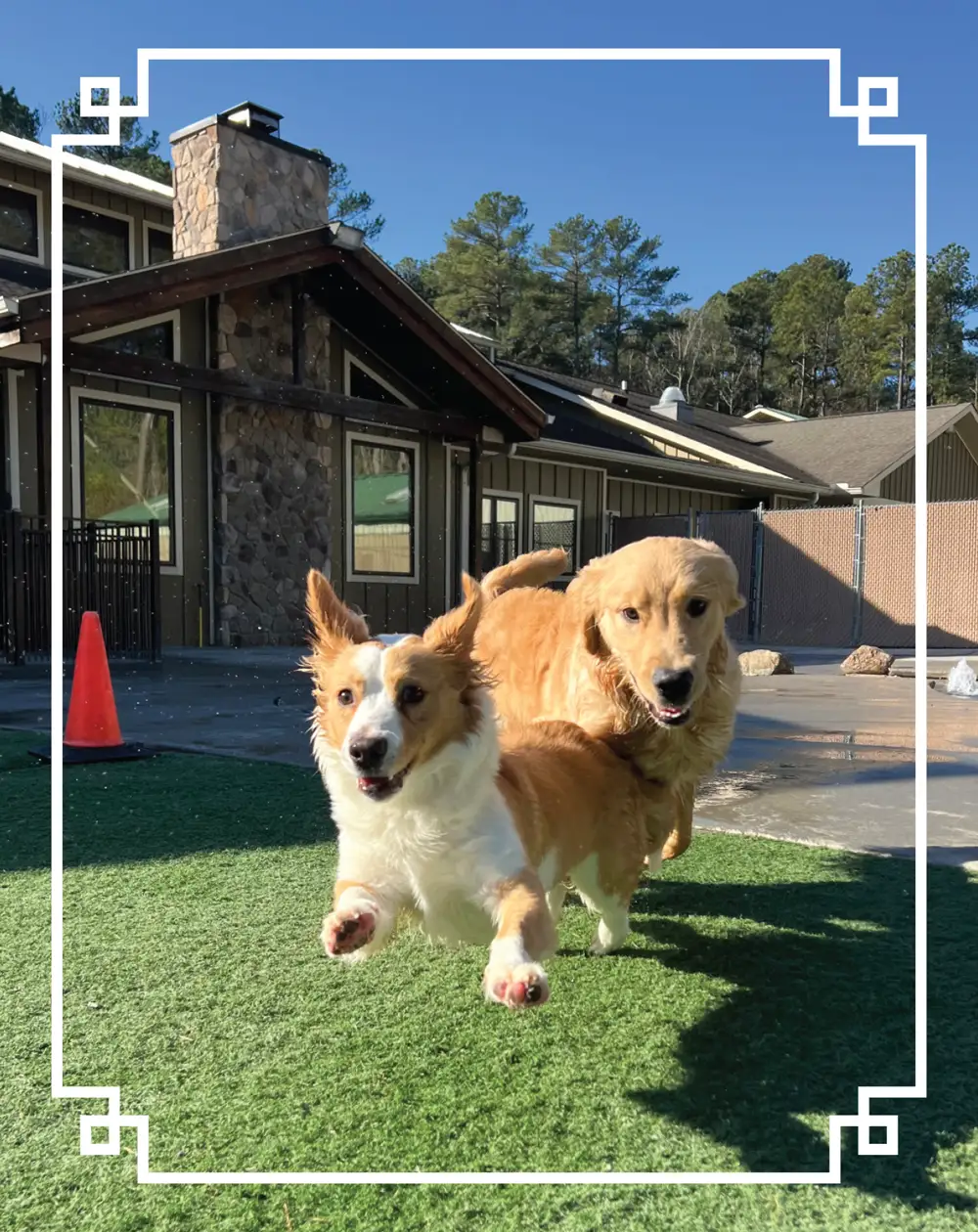
At their newest facility, Drew designed improvements based on the operating experience at Chapel Hill. The Pittsboro Lodge has a capacity of 225 dogs per day between boarding and daycare with an 1100 sq. ft. indoor activity room and seven play yards with 20,000 sq. ft. of turf. They also have a zero-entry pool with a salt water to chlorine conversion and a splash pad with timed water features.
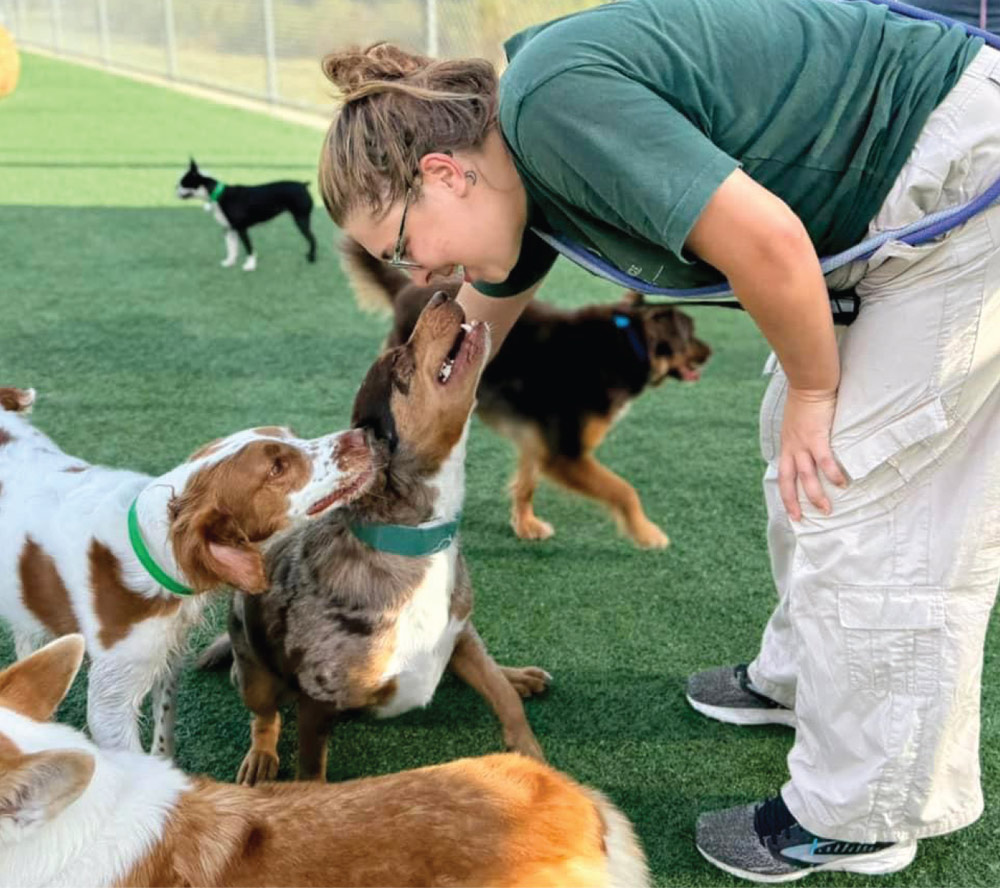
A lot goes into the grouping of dogs for daycare, including their size, temperament, play style, activity level, etc. And each dog wears a color-coded Velcro collar with their name, contact information and assigned playgroup. But first, the dogs must undergo a thorough assessment to even be considered for their programs.
“We require a four-hour, on-site assessment of each dog before they are accepted for boarding or daycare,” says Emily Feight, General Manager of the Pittsboro location. “That’s to make sure the Lodge is the right fit for the pet’s needs.

One standout feature that elevates Green Beagle Lodge above many in the industry is its Pet Care Advisory Board, which includes the General Managers of both locations, Margy Schmidt and two veterinarians.
“The local veterinarians on the board act as counselors to us,” David shares. “We confer with them when anything in our facilities or the community needs their expertise. It’s another level of care and awareness for us.”
While pets are the heart of the business, their people are the backbone. With a staff of approximately 100, Green Beagle Lodge offers a robust benefits package including medical, dental and vision insurance, 401(k) company match, PTO, employee discounts, and ongoing education and professional development.
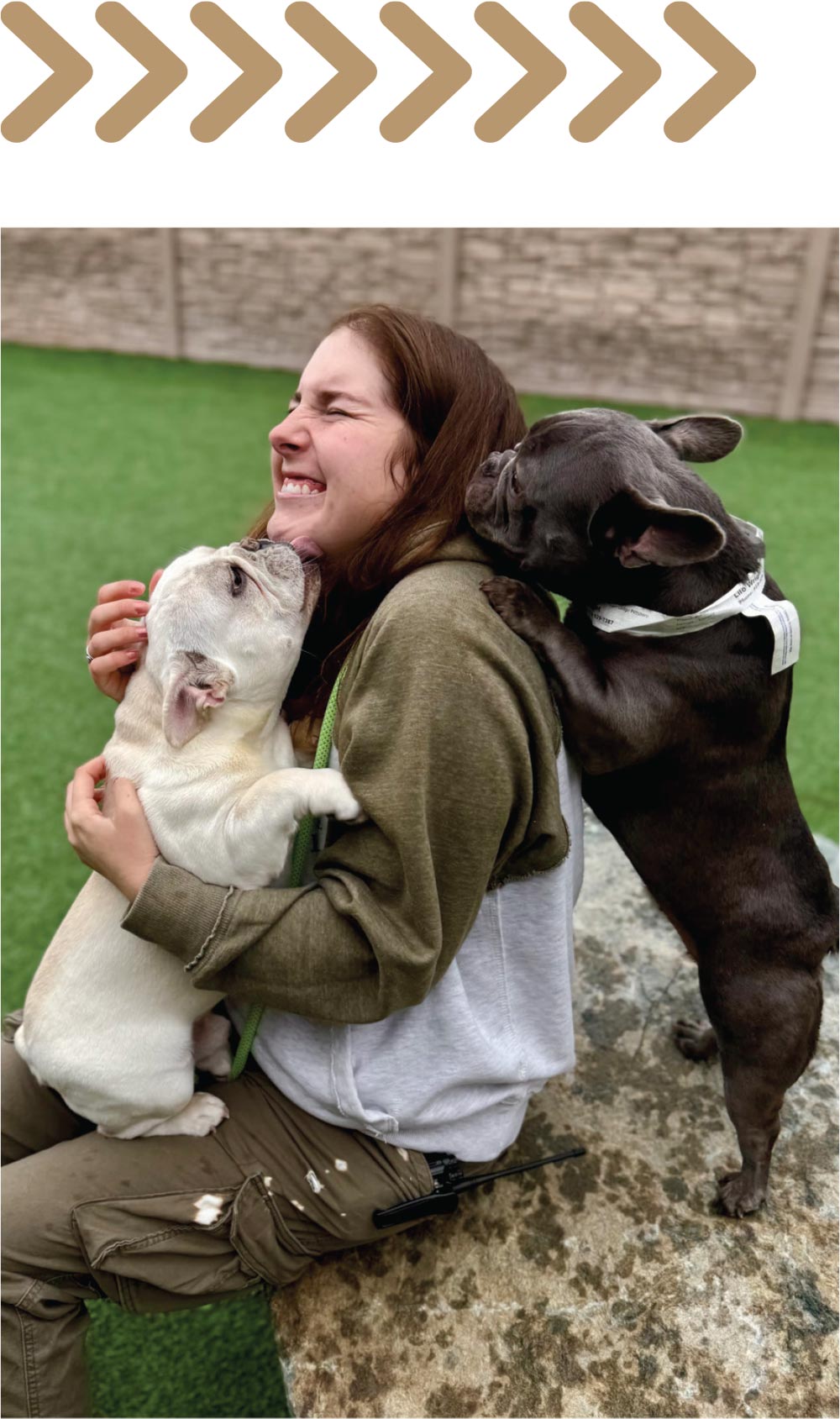


“We are placing increasing emphasis into career growth for our employees,” David adds. “We are passionate about promoting from within, offering career advancement opportunities, and investing in future leaders.
“We are committed to being a learning organization,” he continues. “What we’re doing this year isn’t the same as last year—and that’s intentional. Innovation keeps things fresh for our team and our clients.”
In addition to the pets and their staff, client satisfaction is another pillar of the Green Beagle approach. Every touchpoint—from their drive-through drop-off to their streamlined check-in and check-out processes—is designed with customer convenience in mind.
Another invaluable resource for pet parents in The Owner’s Portal, which can be created on the Green Beagle Lodge website. Here they can create an account, book reservations, purchase packages, make payments and much more.
“To strengthen our connection with the pet owners, we have the Lodge Liaison team,” Emily explains. “They are our social media wizards. They post day-in-the-life photos of the pets as they play, send clients regular updates and photos of how their boarding pets are doing, and keep owners and followers abreast of all the happenings at the Lodge.”
“It’s a big part of who we are and what we do,” Emily adds.
While dogs make up the bulk of their clientele, Green Beagle Lodge hasn’t forgotten their feline friends. Cats enjoy spacious, individual condos and supervised free time in a room equipped with climbing structures and windows with a view. The cat accommodations are completely separated from the dogs and have their own air handling systems, food prep area, and laundry area to ensure a calm and safe environment.
Green Beagle Lodge is preparing for the future, with expansion on the horizon—particularly as Disney is opening its second nationwide planned neighborhood, with 4,000 homes being built less than two miles from the Pittsboro location. This proximity places the Lodge in an ideal position to serve a growing, pet-loving community.
By combining environmental stewardship, operational excellence and unexcelled personalized care, the Green Beagle Lodge has cemented its niche in pet care hospitality. Their founding promise of being clean, green, safe and fun remains their guiding compass, and it’s made a huge difference—not just for the pets and their owners, but also for the communities they serve.

 hen a new dog daycare customer walks through your doors or books their first service online, you only get one shot at making a—hopefully good—first impression. That moment sets the tone for how they will feel about your brand and your staff and, most importantly, whether they’ll stick around long term. Yet, for many pet resorts, the onboarding process is rushed, unclear or even nonexistent. And that’s a costly mistake.
A thoughtful onboarding system doesn’t just help customers understand your services, it builds trust, creates loyalty and sets you apart from competitors who treat new families like “just another transaction.” So, let’s break down why onboarding is so critical and how you can turn those first 30 days into a “wow” experience that keeps people coming back.
Onboarding also sets expectations. From evaluation policies to playgroup structure, owners need to know how your daycare works. If they don’t, they will fill in the blanks with assumptions that often lead to disappointment.
Lastly, it builds loyalty early on. Studies across industries show that customers who feel cared for during their first month are more likely to become long-term clients. In the pet resort world, that means fewer drop-offs to competitors and more consistent daycare attendance.
- Personalized Welcome Kits: A branded folder or digital packet with your daycare policies, FAQ sheet and a welcome letter from the owner can make a big impact. Add a small branded gift (like a tennis ball or bandana) to surprise and delight.
- First-Day Red-Carpet Treatment: Greet the dog by name, introduce the pet parent to the staff, and take a quick photo or video of the dog playing to send to the owner later. This small gesture shows you’re invested in both the dog and the relationship.
- Proactive Communication: Don’t wait for customers to ask, “How’s my dog doing?” Send an end-of-day text or email after the first visit summarizing how the dog adjusted, who they played with and what to expect next time.
- Staff Consistency: Ensure that all team members welcome the dog during those first few visits and help both dog and owner settle in quickly.
- Offer a warm greeting, tour of the facility and first play session for the dog.
- Provide a welcome kit with all your info in clear, friendly language.
- Send a same-day follow-up text or email. (Bonus if the follow-up email has a video explaining what happens behind the scenes and reinforces the info you gave them in person.)
- A quick phone call or email after the second or third visit to answer questions and make sure they’re comfortable can go a long way.
- Share photos or videos of the dog having fun.
- Provide value by sending an email about your enrichment programs, grooming add-ons or training tips.
- Go a step further and let their dog try out any of your daycare add-ons, like enrichment or training, for free as an opportunity to upsell them.
- Give them a hand-written card from their dog saying how much fun he/she is having at daycare.
- Have staff that work with the dog on a daily basis tell them specifics about their dog (what dogs they are playing with, what handlers they are having fun with, how they may be progressing, etc.).
- Give them a “One Month Anniversary” card or email with a picture and a special offer for a package, membership or enrichment add-on.
By following a structured system, you turn onboarding into an intentional process that builds trust, reduces churn and maximizes lifetime customer value.
Now’s the time to step back and take a look at your own onboarding system. Ask yourself: Are we making pet parents feel valued from day one, or are we leaving them to figure things out on their own? The difference could mean thousands of dollars in lifetime revenue for your business.
Fern is the founder of Overdog Digital, a digital marketing & consulting agency that helps dog daycare and boarding facilities attract, convert, and keep more customers by creating winning marketing campaigns and providing the business guidance to build momentum and spark long-term growth. Fern also has programs to train daycare staff, is a dog behavior consultant, and has a dog training business in New Jersey. He is the author of eight books and a popular speaker at national conferences and private events. To join The Dog Daycare Business Think Tank or ask a question, go to: www.facebook.com/groups/dogdaycarethinktank


By Chrissy Capacchione

 icture this: It’s a typical day, the dogs are romping in the yards and all is well and calm. Then you notice one of the dogs begins to stagger in their gate before abruptly collapsing. You rush over to find that the dog is not breathing, and you cannot feel a heartbeat. From the time the dog collapsed until you reached them, their body has already been deprived of oxygen for 15 seconds. You have less than three minutes before the onset of brain and organ damage.
Would you know what to do?
Prolonged lack of oxygen to vital organs—even for only a few minutes—can cause organ damage, and eventually organ failure. At four minutes, this damage is likley permanent. Once starved of oxygen from four to six minutes, the chances of survival are bleak.
CPR should only be performed on an unresponsive pet. It is possible for a pet to be unconscious but not unresponsive. The difference is their ability to return to consciousness with or without medical intervention. A pet requiring medical intervention to regain consciousness is considered unresponsive. If the pet is breathing, CPR does not need to be administered.


The hand is placed over the heart, the thumb on one side of the chest with the fingers on the opposite side. The thumb and fingers are then squeezed together and released in order to compress the chest.


The following is a basic outline of how to administer CPR. However, it’s important to be properly trained and certified in performing CPR.
- Check for breathing and a heartbeat.
Make sure that the pet’s airway is not blocked. To do this, both the head and neck should be extended and in alignment with their spine and the tongue pulled forward. If the pet is breathing, CPR is not necessary. Instead contact and bring the pet to a veterinary clinic or hospital. You can feel the heartbeat at the point where the left elbow touches the chest or at the femoral artery on the inside of their rear leg in the groin area. - Administer chest compressions.
When performing chest compressions on small dogs and cats, the hand is placed over the heart, the thumb on one side of the chest with the fingers on the opposite side. The thumb and fingers are then squeezed together and released in order to compress the chest. To administer chest compressions to large dogs, lay the dog flat on their side. One or both hands are placed over the heart and then pressed down on the chest wall before releasing to perform the compression. The chest should not be compressed by more than half of its width. Compressions should be repeated approximately 100 to 120 times in a minute.
- Give rescue breaths.
To give a pet a rescue breath, make sure the muzzle is closed, then create a seal by placing your mouth around the pet’s nose and mouth. Next, breathe directly into the nostrils until you see their chest rise. Allow the pet to exhale, then repeat the rescue breath. Rescue breaths should be given about every 15-20 seconds during CPR. If two people are present, rescue breaths can be provided by one person while the other continues performing chest compressions. - Assess the pet.
Check to see if the pet has begun breathing again or if they have a detectable heartbeat. If not, get help and continue CPR until you reach a veterinary hospital if you are able to do so. However, it is important not to prolong the transportation of a pet to an emergency hospital in order to perform CPR.
Additionally, local veterinary clinics and shelters may offer classes in pet CPR and first aid, or be able to direct you to classes that are being offered in your area. Professional pet care expos and organizations also offer certification courses that are more tailored to the pet care professional.
Taking a pet CPR and first aid class will teach you how to correctly perform CPR on a pet, in addition to useful troubleshooting techniques, assessing a pet’s vitals and prevention. Once completed, the certification is typically valid for a period of two years. Renewing may require an abbreviated course or exam and can often be done online, depending on the certifying organization.
As a pet care professional, it is imperative to be prepared for any situation that may arise. And in the case of cardiac arrest, you are no doubt dealing with a life or death situation. Getting certified in CPR—and making sure everyone on your pet care team is certified—is not just an option; it is necessary for the lives of the pets that you care for.
- Reassessment Campaign on Veterinary Resuscitation: Evidence and Knowledge Gap Analysis on Veterinary CPR. (2012). Journal of Veterinary Emergency and Critical Care, 22(s1). https://doi.org/10.1111/vec.2012.22.issue-s1
- Pet CPR Infographic – Just Released! (2025). Cornell University College of Veterinary Medicine. https://www.vet.cornell.edu/about-us/news/pet-cpr-infographic-just-released
- Cat & Dog First Aid Online Training. (2024). Red Cross. https://www.redcross.org/take-a-class/first-aid/cat-dog-first-aid
- Should You Learn CPR for Dogs and Cats? (2025). Zoetis Petcare. https://www.zoetispetcare.com/blog/article/cpr-dogs-cats


 ant to start 2026 with clarity, confidence and a battle-tested plan to finally grow your daycare or boarding business—without burning out, discounting your services or spending all day bailing water? Then it’s time to stop patching the holes and start plotting a new course!
Whether you know it or not, you’re facility is probably leaking profit right now. And it can look like any of the following:
- Your team is just clocking in but not selling your services.
- You’ve got underused space and untapped time blocks no one’s buying.
- You keep postponing that price increase—afraid it’ll cause a mutiny.
- Your marketing is hit or miss, and your follow-up is non-existent.
- You can’t step away, because you are the system.
You didn’t sign up for this. You didn’t start a pet care business to be stuck at the wheel of a ship that never docks. But here’s what most business owners don’t want to admit: You’re not outworked. You’re just using the wrong map.
But that could all change this January, when you can finally trade the chaos for clarity—and join a crew of smart pet pros for the inaugural Pet Boarding and Daycare Barkleigh Pet Pro Cruise!
Over five transformational days at sea, the world’s leading pet business coach and marketing mentor, Dom “The Profit Buccaneer” Hodgson, will offer his brand new exclusive masterclass: Pet Biz Profit Pirates: Discover How to Unlock Hidden Gold, Parlez Premium Prices & Run a Dog Daycare That Practically Steers Itself to Success!
In this incredible series of sessions, you’ll learn how to:
- Find the buried treasure already hiding in your daycare or boarding business.
- Raise your rates and add in enrichment upsells, without backlash or mutiny.
- Build a loyal crew that upsells services, delights clients and drives referrals.
- Automate your marketing, follow-ups and onboarding so your business runs like a profit-pulling flagship.
- Plus, there will be live business hotseats, where Dom works with real attendees on real problems.
And when the learning is done, the fun continues! You’ll be poolside, cocktail in hand and surrounded by sharp, motivated pet pros who are walking the same path as you—not to mention enjoying incredible Caribbean excursions in beautiful Costa Maya and Cozumel, Mexico.
The Barkleigh Pet Pro Cruises are famous for building friendships, forging partnerships and finding the kind of support most pet business owners never get to experience. You’ll swap stories on the sun deck, trade hard-won lessons over dinner and leave with more than just notes and ideas.
Let’s face it—you deserve this. And your business will run better because of it. This is your chance to refocus, recharge and reclaim the vision you had when you first launched your business. You’ll return home not just refreshed, but rearmed with a clear action plan, new marketing tools and the confidence to finally charge what you’re worth.
So, are you joining us for this adventure? Or are you staying chained to the same wheel, hoping 2026 will be different?
Now’s the time to find your gold and make 2026 the year your daycare or boarding business sails free!
Learn more and secure your spot at
www.Barkleigh.com/Shows
New Products

Celebrate your pups the Jolly way. Whether it’s a birthday, gotcha day, or just because—the Jolly Bash Box brings tail-wagging joy straight to your doorstep. Packed with playful fun and tasty surprises, this limited-edition celebration box is designed to turn any day into a special one. Inside, you’ll find a handpicked selection of Jolly Pets’ fan-favorite toys, a festive bandana, a customizable card, plus a delicious treat to keep the party going. Choose size Small or Large. It’s everything a dog needs for their big moment—all wrapped up in one joyful, fetch-worthy bundles. jollypets.com

Wisdom & Grace
For we are God’s handiwork, created in Christ Jesus to do good works, which God prepared in advance for us to do.

Thanks for reading our November/December 2025 issue!