



 veryone wants their dog to be confident, comfortable and capable of navigating the world around them, aka “social.” However, what is often missed in the pursuit of a social dog is that dogs—just like people—are not necessarily going to accept or enjoy everyone and everything they encounter, and that is okay.
Socialization should not mean teaching a dog that every person, every dog or every environment is something they need to love. Instead, it should be about teaching them to navigate those situations successfully while allowing us to recognize and respect their individual boundaries. As the people responsible for these dogs, part of our job is learning to read what they are telling us, helping them work through challenges and understanding when they need space.
In many ways, dog socialization is more similar to human socialization than we give it credit for. Think about the people in your own life. There are probably people you simply do not get along with, others you can spend time with and enjoy but may not necessarily be “your people,” then there is likely a smaller group of family and close friends who you feel completely comfortable with and naturally gravitate toward. Dogs can be the same way.
Not every dog needs to love every other dog. Some dogs genuinely enjoy meeting everyone they encounter, others are more selective about who they want to interact with, and some prefer a few close relationships rather than being a part of a large social group. None of these personalities automatically make a dog unsocial; they simply demonstrate that social acceptance exists on a spectrum.

So, what can we do to help dogs become more well-rounded in our care?
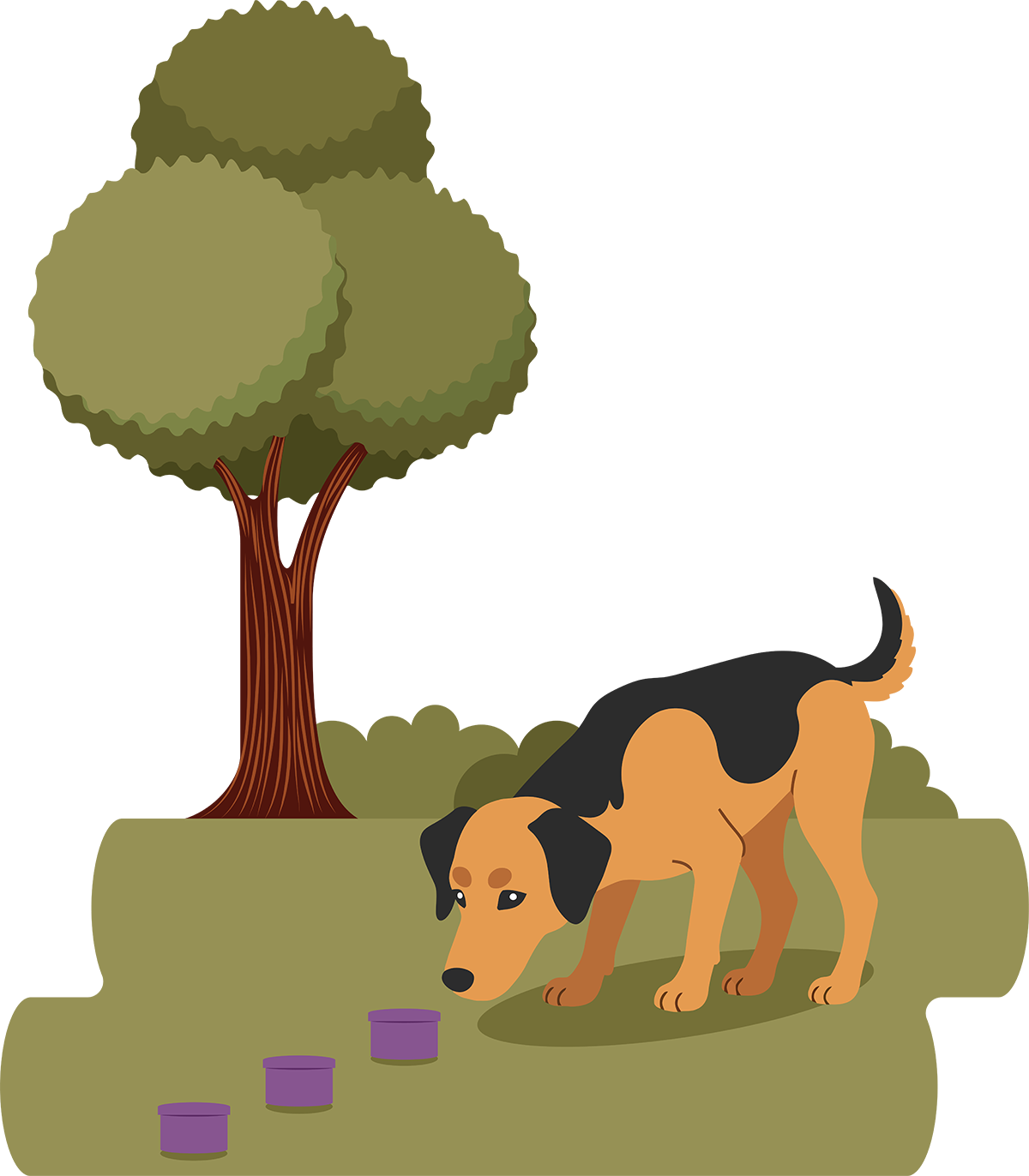
One way our daycares can help a dog build confidence or settle into the environment is through enrichment. If you have a dog that comes in with high energy or needs time to settle, creating a sniff space where they can explore, process and calm their mind can be a benefit to slowing them—physically or mentally—before socialization.
Other times, a dog may need to be put in a space to calm down from the excitement of being there before they go into group play. This will provide them the opportunity to regulate themselves and not put all that excess energy toward other dogs.
Dividing daycare into smaller groups is another way we can help guide our dogs, such as separating playgroups based on size. Creating smaller-dog-specific groups can provide an environment where those dogs feel more comfortable communicating and interacting and can play with dogs who match their size, energy and social style, giving them opportunities to succeed rather than constantly asking them to overcome something uncomfortable.

We have to be prepared to navigate challenging situations as well. What if a dog comes into a playgroup tense, nervous or overwhelmed? It is easy to interpret that behavior as aggression or fear, but that may not be what is happening at all.
Imagine walking into a crowded room where several unfamiliar people immediately surround you, all wanting your attention. You might feel overwhelmed, uncomfortable, or even want to get away. Dogs can experience that same feeling.
One way to introduce a new dog is to put them in a gated play area where they can see the other dogs and settle in a bit before introducing them directly. When the introduction does happen, a hand-picked group of neutral-energy dogs will allow for the most positive experience.
It’s also helpful to back up the other dogs, creating a bubble, so the new dog has ample space between them and the group. Letting the dog walk into a space that is more open and allows the dogs interact more individually is a great way to give that dog space and build confidence.
If a dog is struggling to socialize or the play is not appropriate, the solution may not be to remove the dog from the pack, but to change the experience. Moving an overexcited dog into a group with higher energy may give them the opportunity to play in a way that matches their energy at that time. Similarly, when a dog gets tired and snappy and doesn’t want to interact, moving them to a calmer group can provide them with more of the relaxation that they need.
Socialization is not about forcing a dog to be okay with everything; it is about giving dogs choices, understanding their communication, respecting boundaries and gradually expanding their comfort zone. When we stop measuring socialization by how much our dogs can tolerate and instead measure how confidently they can navigate the environment, we give them a much better chance of succeeding.
Kelly Steinhoff has over 16 years of dog training experience and serves as the Director of Training and Co-Owner of Bark Avenue Daycamp in Barlett, IL. Bark Avenue has been in business for 19 years, offering daycare, boarding, and training services. Kelly began her career earning a Bachelor’s degree in Animal Science with the goal of becoming a veterinarian. After discovering a passion for training, she worked with her own dogs in competitive obedience, personal protection, and narcotic detection. She later expanded her work to include client dogs and now leads a Train the Trainer program, where she teaches others how effectively train dogs.