








- Aerapy Animal Health57
- Alpha Tech Pet31
- Alpha Tech Pet64
- BackYard Pet Supplies27
- Best Friends Pet Care55
- Best Shot Pet – Shofur Infusions62
- Business Insurers of the Carolinas47
- BusyPaws3
- C-Squared Accounting59
- CleanWise33
- Cosmos Bathing Systems9
- Direct Animal Products61
- Eckel58
- Electric Cleaner Company41
- Enrichment University11
- Envirogroom | Special FX Pet51
- First Financial Bank35
- Focus Answering Service14
- Friedman Tax40
- Gator Kennels8
- Governor Insurance Agency45
- Gyms for Dogs26
- K9 Grass by ForeverLawn19
- Kuranda Pro7
- Midmark5
- Natura Turf Pro34
- North
- Odorcide21
- Online Doggy38
- Outstanding Pet Care22
- Paragon School of Pet Grooming30
- Pet Boarding and Daycare Podcast43
- Pet Business Marketing10
- Pet Business Marketing17
- Pet Vet Sales15
- Pet-Shield53
- PetBizInsurance.com20
- PetLift25
- Poly Pet Tubs59
- Presidio Kennels48
- Professional Animal Care Certification Council32
- Professional Pet Boarding Certification44
- Puppy Playground13
- Rescue Disinfectants29
- Shop Care Products50
- Snyder Manufacturing Company23
- Stone Mountain Pet Products24
- Thera-Clean63
- Triple Star Construction Inc.39
- Turnkey, Inc.16
- Wag’n Tails49
- World Wood2
Barkleigh Productions, Inc.
Rebecca Shipman
Laura Pennington
Brandi Aurelio
Carlee Kubistek
Luke Dumberth
Todd Shelly
Gwen Shelly
Adam Lohr
James Severs
Karin Grottola
Evan Gummo
CONTACT
General: (717) 691-3388
Editorial: rebecca@barkleigh.com
Advertising: james@barkleigh.com

6
18

Facility

































 oes the word “budget” make you want to look the other way? Well, you’re not alone—more than half of small business owners feel stressed about financial management. But here’s the truth: A budget isn’t a burden; it’s your roadmap to profit and peace of mind.
When you take the time to create a realistic budget, you’ll make smarter decisions, reduce surprises, and gain the confidence that comes from knowing exactly where your money is going and why. The following breaks budgeting down into simple, achievable steps designed for busy pet care business owners.
- Plan for seasonal highs and lows
- Manage staffing efficiently
- Set realistic revenue and profit goals
- Make confident decisions about pricing, marketing and expansion
Think of it like your financial GPS—helping you see where you are, where you’re headed and how to adjust your route when needed. Once you know your financial “destination,” the numbers start to make sense and guide your daily decisions instead of intimidating you. Without a budget, it’s easy to drift off course, overspend during slow months or miss opportunities to grow.
- Gather Your Data: Start with the basics: your income statement, payroll and service data from the past year. Look at how many pets you cared for each month and your total revenue and expenses. Identify patterns such as busy months, slow periods and where spending tends to creep up.
- Forecast Your Revenue: Begin with your core services, such as lodging, daycare, grooming or training. Estimate how many units (like pet nights or daycare days) you’ll sell and at what average rate. For example, if daycare is $45 per visit and you expect 1,000 dog visits per month, that’s $45,000 in monthly revenue. Set realistic goals, such as a 10% increase in total revenue, which is a healthy target for many businesses.
- Understand Payroll Costs: Payroll is usually your biggest expense. Separate it into fixed costs (salaried staff or essential positions that stay steady regardless of how busy you are) and variable costs (hourly team members whose hours rise and fall with demand). Know your labor ratio. If payroll starts taking up too large a slice of revenue, it’s a signal to review scheduling or pricing.
- Run “What If” Scenarios: Budgets aren’t set in stone; they’re tools for decision-making. Test changes before you make them, as seeing the numbers on paper helps you plan confidently rather than guess. For example:
- What if I raise daycare rates from $45 to $48?
- What if I add 10% more capacity in summer months?
- What if I reduce overtime during slower weeks?
- Track, Review and Adjust: Check your budget monthly and compare what actually happened to what you planned. If you’re over or under in a category, dig into why, then update your next month’s plan. Small tweaks add up to major improvement over time.

- Review each core service’s performance
- Decide which rates to adjust and when
- Identify opportunities to serve more pets (e.g., expanding services or hosting special events in slower months)
- Factor in seasonal trends (e.g., grooming may peak around holidays, while daycare may slow down in summer
- Budget your fixed staff positions (i.e., managers, receptionists or facility support staff)
- Plan hourly staff around demand using labor ratios (e.g., 1,200 pet nights = 1,080 staff hours)
- Build flexibility into your schedule so you’re not overstaffed during quiet weeks or stretched thin during busy ones
- Confidence: Know exactly where your business stands financially
- Clarity: See which services and expenses drive profit
- Control: Make proactive decisions instead of reacting to surprises
Budgeting isn’t about limiting your business—it’s about unlocking its potential. When you use your budget as a guide, you’ll spend less time worrying about money and more time building the business (and lifestyle) you love.
Start small, stay consistent and review often. Your budget will evolve with your business, and before long, you’ll wonder how you ever managed without it.
As Crystal Canine’s head CFO, Susan Briggs helps pet care service business owners turn financial confusion into clarity and confidence. As a fractional CFO partner, Crystal Canine provides financial planning, KPI dashboards, and profit-building strategies tailored to pet resorts, daycares, grooming, and training businesses. Their mission is to make financial management approachable so owners can make insight-backed decisions and grow with ease. Through memberships, budget templates, and expert coaching, Crystal Canine turns your numbers into a roadmap for sustainable success. Learn more and access free financial tools at www.crystalcanine.com.

 raditional pet care businesses are no longer competing only with each other. Today, every pet parent is a click or tap away from a nearly bottomless pool of in-home pet sitters—from neighbors and family friends to app-based gig workers. However, a pet sitter and a full-scale pet care facility aren’t providing nearly the same service. If you’re in this industry, you’re already well aware of this. To pet parents, though, the comparison can look deceptively simple.
So, how does a pet care business owner compete? You’re likely already doing the most important part: providing wonderful, loving pet care. But let’s take a look at five other ways to make your business the obvious choice for pet parents who are weighing their pet care options.
Trying to match their rates means attempting to operate two very different business models at the same price point. Over time, competing on price undermines the very qualities that make your business worth choosing in the first place. A higher price tag isn’t a bad thing—it’s a reflection of the superior care, standards and experience your facility provides.

A professional facility, on the other hand, is far more reliable. A full team of highly trained caregivers, established procedures and backup systems help ensure every pet gets the care they need, even in unexpected circumstances.
Consider what else sets your business apart from the average pet sitter, which might include:
- Extensive staff training for your entire team
- Purpose-built facilities with advanced climate control, air filtration, security and fire protection
- Meticulous cleaning protocols
- Vaccination requirements
- Established veterinarian relationships
- Sophisticated task-tracking and documentation
- Enriching play spaces and amenities
- Thoughtfully structured play groups and programs
Look at every point where a prospective or existing customer interacts with your business, both online and offline. What are you communicating?
Whatever your local requirements are, submitting a complaint starts with collecting the facts. Document any objective, publicly observable information that supports the concern. This might include an advertised home boarding business, the number of pets being boarded or other evidence that local regulations are not being followed.
App-based sitters are also typically subject to the rules of the platform they use. If an individual appears to be violating platform rules or applicable laws, the platform’s support department may provide another way to submit a documented concern.
Finally, continue to educate pet parents. Licensing, insurance and safety features aren’t boring, bureaucratic details—they’re part of what makes professional pet care so reliable and accountable. When pet parents understand why those protective layers exist, they’re better equipped to make informed comparisons between providers.
Pet sitters have permanently altered the competitive landscape in this industry. As technology makes it easier for individuals to enter the pet care market, professional facility owners need to be increasingly intentional about how they compete.
Your greatest advantage is everything you’ve already built: your team, your facility, your systems, your expertise, and the experience you provide to pets and their people. Strengthen what makes your business superior, shout it from the rooftops and make it as easy as possible for pet parents to understand why you’re the better choice, every time.
Laura Laaman is president of Outstanding Pet Care. If you’re interested in the strategies discussed in this article and want to grow your revenue and profit with our proven, guaranteed services, schedule a consultation by calling 1-888-836-8740 or visit www.outstandingpetcare.com/contact.





 or thousands of years, humans survived as hunters. This meant we relied on our ability to find, chase and kill prey to eat that day. If you didn’t catch something, you went hungry.
This is similar to how most business owners operate today. They spend their time hunting and catching new clients. They drive traffic to a website, run Facebook ads, post on social media, launch discounted promotions and hope the phone rings. It’s unpredictable, expensive and the minute you stop, everything stops.
Eventually humans evolved into farmers, and instead of chasing prey every day, they planted seeds, cultivated crops, and built systems that produced food over and over again. Farming allowed humans to thrive, not just survive.
The same thing happens in business. The most successful pet business owners aren’t spending all day chasing customers—they’re building assets.
An asset is something that continues to produce results long after the work has been done. It might generate leads, create sales, improve retention, save time, increase profits or make the business itself more valuable. Whatever form it takes, the defining characteristic is the same: It keeps working even when you aren’t.
Better still, a true asset tends to do three things: 1) it throws off income, 2) it saves time or effort, and 3) it appreciates in value over time. In other words, it helps you make more money today while increasing what the business is worth tomorrow.
That’s important, because one day—whether it’s five years from now or 20—you’ll likely want to step back, scale up or sell altogether. And when that day comes, businesses built on assets command higher prices than businesses built on hustle alone. And your business’s true value comes from the collection of assets it contains.
The strongest businesses aren’t built around one giant asset, though. They’re built around dozens of smaller assets working together. Some attract clients, some keep them, some save time, some create recurring revenue and some increase the value of the business itself. And once you start looking at your business through this lens, you begin to see opportunities everywhere.
The following assets are just a few of those that your pet resort needs today to be more successful in the future.

Too many pet businesses spend thousands driving traffic to a website only to let visitors disappear. An email list changes that. It’s an owned audience asset, and every person on your list is a future sales opportunity. Remember, traffic is rented; your list is owned. The fortune is in the list.
Perhaps most importantly, though, it creates “stickiness.” The stronger your induction program becomes, the harder it is for clients to leave, because they’re emotionally invested in your process and your way of doing things. An evaluation assesses the dog; an induction program sells the future relationship.
Being a “members-only” pet resort or daycare immediately elevates your positioning. It separates you from facilities competing on price and puts you into a category of one. More importantly, it creates predictability. And predictable businesses are valuable businesses.
Every month doesn’t begin with the same nagging question: “Where is this month’s revenue coming from?” because some of it is already booked, committed and banked. That certainty makes the business easier to run today and far more attractive to a buyer tomorrow.



Every process trapped inside your head is a bottleneck waiting to happen. The more knowledge you can move from your brain into the business, the stronger and more valuable that business becomes. And don’t forget about your marketing system—that’s often the most ignored system in a struggling facility.
It’s the reason two businesses can offer virtually identical services and charge completely different prices. One has built a stronger reputation, which translates into a stronger asset. And the stronger your reputation becomes, the less price matters and the more attractive your business becomes to affluent dog owners who are looking for an expert pet business.
What starts out as a collection of individual assets eventually becomes a flywheel. Each asset makes the others stronger; each turn of the flywheel makes the next turn easier. Momentum starts to build, growth becomes easier and the business starts working for you instead of because of you.
So, are you a hunter or are you a farmer? Hunters wake up every morning wondering what they can sell today; farmers wake up every morning wondering what they can build today. One creates income; the other creates wealth. One creates work; the other creates freedom.
If you want to build a pet care business that’s more profitable, more valuable and less dependent on you, perhaps the most important question you can ask yourself isn’t: “How do I make more money this month?” it’s: “What asset am I building today that will still be producing results five years from now?”
Dom Hodgson is known as the Pet Biz Wiz, and is widely regarded as the World’s leading pet business coach. His mission is to help pet service providers create superior customer service systems that enable them to build an impactful and profitable pet business. Dom has written 10 books and is a much in-demand speaker. You can instantly download a free copy of his latest book “How to Disnify Your Doggy Daycare Business” by going to www.petbusinessmarketing.com/daycaremagic






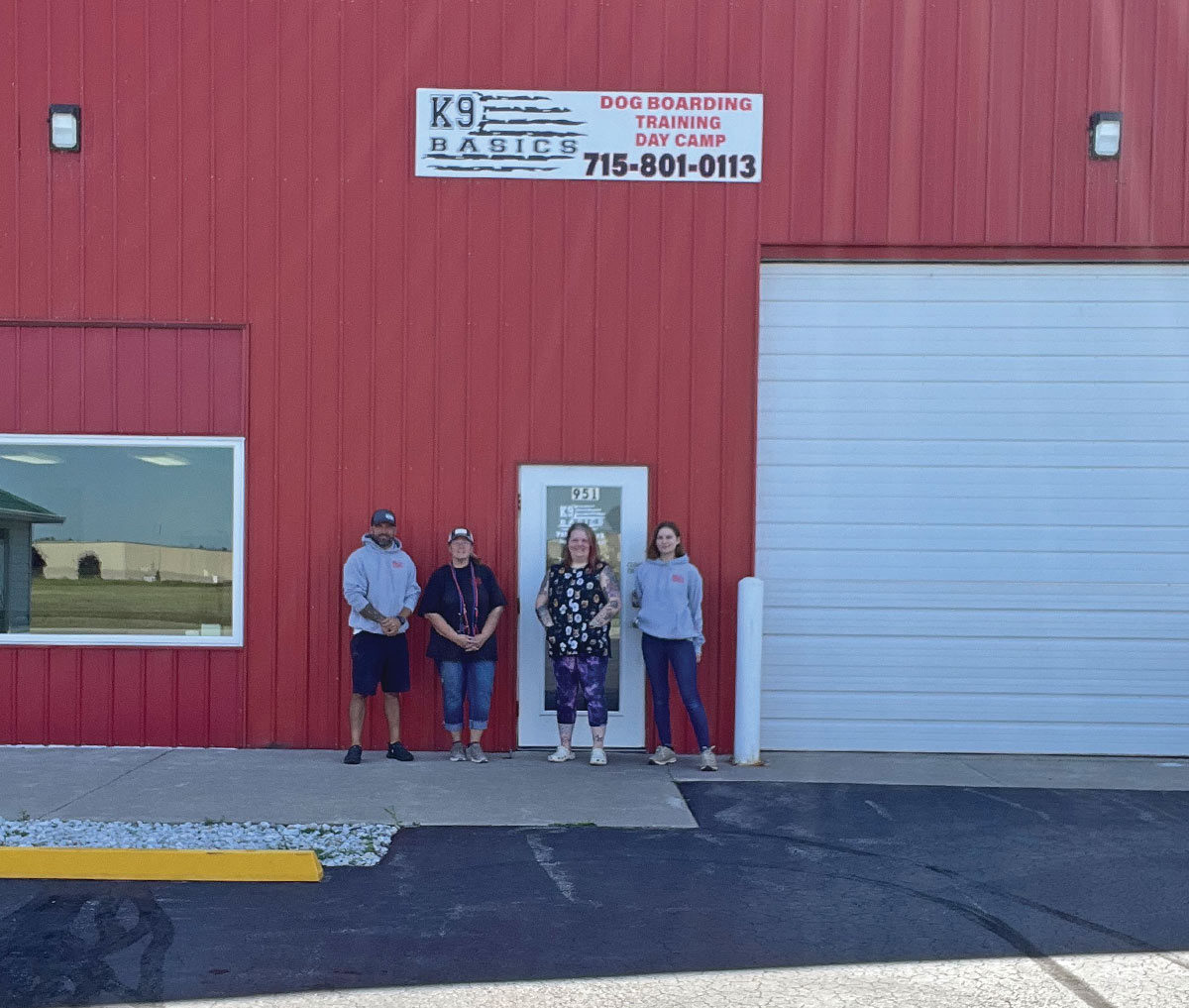

Photos provided by K9 Basics LLC
 any successful businesses get their start with a carefully crafted business plan, a substantial investment and a long list of goals. Others begin with something much simpler: seeing a need and being willing to fill it. The latter is what led Matt Borths to open K9 Basics LLC in Peshtigo, Wisconsin.
Today, K9 Basics is a thriving business that is known throughout northeastern Wisconsin for its quality care, structured daycare (day camp) program and specialized behavioral training. But like many successful entrepreneurs in the pet care industry, Matt didn’t come from a traditional business background.
After graduating High School, he enlisted in the United States Marine Corps and served four overseas deployments. Upon returning home, Matt became a police officer, then later a K-9 handler for the department—and that was a role that would shape his future in ways he never expected.
While still working in law enforcement, Matt began training dogs privately on the side. Word spread quickly, and before long, dog owners were seeking him out for everything from basic obedience to challenging behavioral issues. And what started as a side business gradually became something much larger.
“The Peshtigo area offered limited boarding and professional training options, and almost no one offered daycare,” explains Matt. “I saw the need and thought it would be a great opportunity to combine all these services into one business.”



“It was a risk,” admits Matt. “But, I bought it. I have to say, starting from scratch can be scary.”
The building’s renovation required significant investment and countless hours of work, but Matt never lost sight of his vision. His experience handling working dogs influenced many of the decisions he made about the facility’s design.
“For example, I didn’t want my kennels to have just a divider between them,” Matt says. “That might lead to stress or kennel-fighting for the dogs.”
Instead, the facility features 35 comfortable, strategically built kennels with rubber flooring and raised beds to minimize stress while maximizing comfort and safety. The facility also has 1,400 square feet of indoor play space, along with two large outdoor training areas and day camp space with splash pools, toys and play equipment.
Matt worked tirelessly and put all his energy into the renovations. When they were complete, K9 Basics opened its doors. But there was just one problem…
“The first day we were open, I had no customers,” Matt recounts. “Not a single person came. That’s when I realized that I really hadn’t done any advertising or announced a grand opening.
“You know the phrase, ‘You live and learn;’ that’s when I learned that it takes a lot more than a great facility to have a successful business,” he continues. “It took a bit of time, some growing pains, and a lot of learning, but soon, through word of mouth and our posts on social media, the business took off.”


Although boarding and day camp provide the foundation of the business, training remains Matt’s passion. The majority of his clients seek him out for his expertise in obedience training and behavioral modification, including those with dogs that other trainers have declined.
As K9 Basics evolved, Matt continued looking for ways to provide greater convenience and value to his clients. The business has expanded and now includes professional grooming services, giving customers the opportunity to utilize multiple pet care services under one roof.
In addition, they recently introduced membership programs for day camp and boarding clients. The programs reward loyal clients while encouraging consistent attendance.
Today, word of mouth remains one of K9 Basics’ greatest marketing assets. Matt says that while advertising may introduce customers to a business, exceptional service is what keeps them coming back.
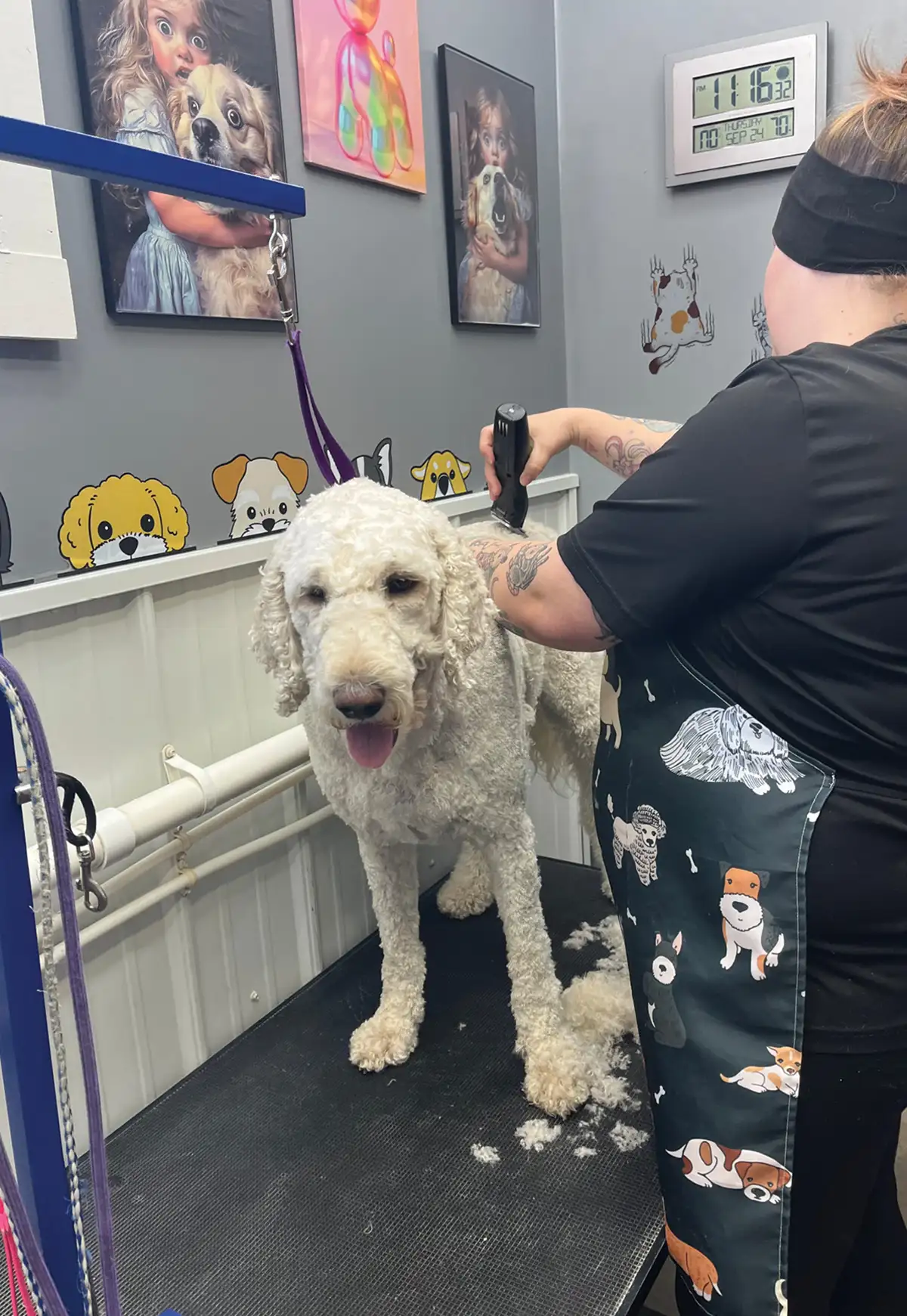

“I have a very capable staff that takes care of everything when I am not in the facility,” Matt says proudly. “Building the right team is one of the most valuable assets a business can have.”
That statement carries an important lesson: Great businesses aren’t built by one person; they’re built by teams committed to the same mission. The trust Matt has in his team allows him to continue serving both his community and his growing clientele while maintaining the level of care his customers have come to expect.
Despite everything he has accomplished, though, Matt still approaches each day with the mindset of a student.
“I’m still learning every day,” he shares. “In an industry that constantly evolves, we should never stop asking how we can make tomorrow better than today.”
For Matt Borths, K9 Basics is more than a business; it’s a continuation of a life of service. Whether serving in the marines, protecting his community as a police officer or training family pets, his work has always centered on service. And that spirit of service is evident every day at K9 Basics LLC in the form of wagging tails, satisfied clients and a dedicated staff.



 he American Pet Products Association (APPA) coined 2026 the “Year of the Cat,” and 2027 is looking to follow suit. With 53 million U.S. households owning a cat in 2025, growth and spending was particularly propelled by Gen Z and Millennials.
APPA also found that cat households are becoming increasingly multi-cat. Single-cat households declined from 64 percent in 2018 to 58 percent in 2024, while households with two cats and households with three or more cats both grew.
For boarding and daycare operators, these numbers matter. More cats, and more multi-cat households, mean more feline owners who are likely to expect thoughtful, engaging experiences when they leave their pets in someone else’s care.
For the first time in generations, cats are finally getting their time in the pet industry spotlight, which is highlighted by a few clear trends that stood out in recent feline product releases—and they’re particularly relevant for cat boarding providers.
“Toys are a fun gift that pet professionals can send home with kitty to remember their stay,” says Kris Kaiser, brand manager of Yeowww! Catnip. “Catnip in particular can ignite spontaneous parties long after their birthday is over.”



“For boarding and daycare facilities, automated toys are the perfect enrichment tools,” notes Meghan Wolfgram, creator of SwiftPaws. “They keep cats mentally stimulated and physically active even in a kennel or condo setting, which helps reduce stress and boredom during their stay.”
“The idea started out of an accident,” begins Stephen O’Neill, inventor of the Cat Christmas Tree, a year-round cat tower that transitions to a seasonal cat tower Christmas tree. “We had a broken cat tower while watching two kittens destroy a Christmas tree. That’s how the idea was born.”
For facilities managing anxious or newly boarded cats, litter designed to keep hesitant cats reliably using the box is a particularly useful development.
“For fast clean up, you really need odor-barrier film bags that hold a lot of litter,” explains Tom McConnell, founder and CEO of Red Rocket Pets. “It has to be easy to carry the litter to multiple litter boxes, which makes routine disposal simpler in busy boarding and daycare facilities.”
“Boarding and daycare environments can be incredibly stimulating for cats, so we believe enrichment should be an important part of helping them feel comfortable and engaged during their stay,” says Justyne Bastone, founder of Ollie B. Good. “Products should turn everyday feeding into a more enriching experience by encouraging natural licking, foraging, and slower eating behaviors while providing mental stimulation.”
The trends emerging reflect the shift that cat care is moving beyond the basics of food, litter and a place to sleep toward enrichment, wellness, play, personalization and products that support the emotional wellbeing of the cat. For pet care professionals, the takeaway is simple: Cats are catching up, and the businesses that catch up with them now will be better positioned to meet the next generation of cat owners.
Mary Tan is a pet writer who loves to focus on cats. She is a former television broadcast journalist who once focused solely on hard news and crime investigations but is now living the dream of covering felines. She lives in Buffalo, Minn. with her Schnoodle, Freddie, and three rescued kitties, Farley, Franklin, and Fleur.


 he Net Investment Income Tax is built for passive income; things like dividends, interest and rents you collect without lifting a finger. A pet resort you manage every day is not passive. And if you’ve been treating your business like a stock portfolio at the closing table, you could overpay by tens, even hundreds, of thousands of dollars.
The Net Investment Income Tax, found at Section 1411 of the tax code, generally applies to passive income. It does not apply to income from a trade or business in which you “materially participate.” That last phrase is the whole ballgame.
Think about your actual week. You’re hiring and training kennel staff, handling the worried dog mom whose Labrador won’t eat, reviewing the schedule, approving the food order and unlocking the door at 6 a.m. That is the opposite of passive. The IRS calls it material participation, and it’s the difference between owing the 3.8% and keeping it.
The fix is simple but easy to skip. You need to establish and document that you materially participate before the sale closes—hours logged, your role on paper, your name on the decisions. Do that, and a large portion of your gain may sidestep the Net Investment Income Tax entirely.
- Goodwill that captures your reputation and repeat clientele, often taxed at favorable capital gains rates
- Equipment and assets like kennels, grooming stations and vans, which can trigger depreciation recapture at ordinary rates
- The real estate if you own the building your resort sits on
- A non-compete agreement that keeps you from opening a new resort down the road, usually taxed as ordinary income
- A consulting or transition agreement for the months you stay on to hand things off
These are not interchangeable, either. Push too much of your price into the wrong bucket and you can manufacture a tax bill that didn’t have to exist.
The mistake sellers make is letting the attorneys or a generalist advisor paper the deal without a tax strategist in the room. It’s not that they’re careless; they’re focused on closing, not on what you keep after the dust settles.

The way your allocation is written drives three things at once: your capital gains, your ordinary income and your exposure to that 3.8% tax. This is exactly where proactive planning instead of reactive preparation earns its keep. You want the strategy set before signatures, not explained to you in April after the wire already cleared.
Take a resort owner running as an S corporation with clean books and clear, active involvement. With the right compensation history and documentation, that owner can often shrink, sometimes erase, the 3.8% exposure on the sale—but only when it’s set up well ahead of time. You can’t reverse-engineer it the month before closing.
That’s why the smart move is to start thinking about your exit 12 to 24 months out. That runway gives you time to:
- Optimize your owner compensation so the numbers support active participation
- Clean up the books so a buyer (and the IRS) sees a business that runs on real records
- Get ownership structured the way it needs to be for the sale you want
- Position your income as active, not passive, with a paper trail to back it
You don’t fix any of this in the final 30 days. You build it on purpose, while you still have time. For a fuller picture of how the gain itself gets taxed once you sell, the mechanics of capital gains on a business sale are worth understanding, too.
The assumption that “you’ll owe the 3.8%” is the single most expensive thing a seller can accept without checking. That’s how owners keep more of what they built instead of handing a chunk of it back over a tax that may not even apply.
Doggy Day Care CPA helps pet resort, boarding, and daycare owners keep more of what they make through proactive, court-tested tax planning, especially when it’s time to sell. The firm is led by a CPA and Certified Tax Coach.
This article is educational and isn’t individual tax advice. Your situation has its own facts, so talk with a qualified advisor before you act. For the rule itself, see the IRS instructions for Form 8960, Net Investment Income Tax.


 his is especially important to keep in mind in boarding and daycare environments where dogs are often playing with each other and exploring unfamiliar environments, all of which can increase the opportunity for eye irritation or injury.
Corneal ulcers are one of the more important conditions to recognize because they can deteriorate quickly. However, they are not the only cause of a painful or abnormal eye. Being able to recognize the warning signs and knowing when veterinary assessment is needed can help prevent a relatively straightforward problem from becoming much more serious.
Trauma is a common cause, including scratches from grass, branches or other objects, as well as injuries from another animal. Foreign material can become trapped against the eye, while eyelid abnormalities such as entropion can cause repeated irritation. Reduced tear production, known as keratoconjunctivitis sicca (KCS or “dry eye”), can also predispose dogs to corneal ulceration.
Some dogs are more vulnerable than others. Brachycephalic breeds are particularly prone to corneal disease because of their facial anatomy and increased exposure of the ocular surface. Research has also identified higher rates of corneal ulcerative disease in breeds including Pugs, Boxers, Shih Tzus, Cavalier King Charles Spaniels and English Bulldogs.
In some cases, an ulcer is visible as an area of surface irregularity; although, superficial ulcers can be surprisingly difficult to see without appropriate examination and fluorescein staining.
Some dogs will paw at the affected eye or rub their face against bedding, furniture or the floor. This can make the injury worse, so repeated rubbing is another useful warning sign for caretakers to notice.
Importantly, the severity of the clinical signs does not always tell us how serious the underlying problem is. A relatively small superficial ulcer can be extremely painful, while chronic ocular disease may sometimes produce less obvious signs.

Bacterial infection can develop secondarily, and, in some cases, enzymes released during infection and inflammation can cause rapid breakdown of the corneal stroma. These so-called “melting ulcers” can progress rapidly and threaten the structural integrity of the eye.
A deep ulcer can extend through much of the cornea. In severe cases, the remaining corneal tissue becomes extremely thin, creating something called a “descemetocele,” or the globe may perforate altogether. These cases are ophthalmic emergencies and may require surgical treatment to preserve the eye. For this reason, a dog that develops acute squinting, significant ocular pain, or a cloudy eye while in boarding or daycare should not simply be monitored to see whether it improves.

Conjunctivitis is common and may cause redness, discharge and increased blinking. It can occur for a variety of reasons, including irritation, infection and allergies. However, conjunctivitis and corneal ulceration can occur together, so the presence of discharge does not rule out a more significant problem.
Keratoconjunctivitis sicca (KCS or “dry eye”) can produce persistent redness and a thick, sticky discharge. The cornea may lose its normal shiny appearance and, over time, develop blood vessels, pigmentation and scarring. Dogs with KCS are also more prone to developing corneal ulcers because an inadequate tear film can compromise the health and natural protection of the cornea.
Entropion, where part of the eyelid rolls inwards, can cause hairs or facial skin to rub against the cornea. This may result in chronic irritation, inflammation and eventually ulceration.
Other ocular conditions are less common but potentially more serious. Anterior uveitis—inflammation within the front part of the eye—can cause redness, pain, squinting, light sensitivity and a constricted pupil. It may occur following trauma or as a consequence of other ocular or systemic disease.
Glaucoma is another ocular emergency. A sudden increase in intraocular pressure can cause severe pain, redness, a cloudy or blue appearance to the cornea, a dilated or poorly responsive pupil and, in some cases, sudden loss of vision. Acute glaucoma requires urgent treatment because prolonged increases in intraocular pressure can result in irreversible damage to the optic nerve.
Lens problems, including anterior lens luxation, can also present with a painful, red or cloudy eye, and may be associated with secondary glaucoma. These conditions cannot be reliably distinguished from a corneal problem simply by looking at the eye.
- Is persistently squinting or holding an eye closed
- Develops sudden or marked redness
- Has excessive tearing or new ocular discharge
- Has a cloudy, blue or unusually dull-looking cornea
- Is repeatedly pawing or rubbing at the eye
- Appears painful when the head or face is handled
- Develops a change in pupil size or shape
- Appears to have reduced vision
- Has suffered direct trauma to the eye
- Has a visible foreign body or injury involving the eye
- Develops a bulging eye or significant swelling around the eye
Sudden severe pain, apparent loss of vision, significant trauma or a markedly abnormal-looking eye should be considered an emergency. Ophthalmic emergencies require rapid assessment because some conditions can threaten vision or the integrity of the globe.
The eye should not be rubbed or examined aggressively, and staff should not attempt to remove an object that appears to be embedded in the eye. Corneal foreign bodies can be superficial or deeply embedded, and their position needs to be assessed before removal.
It is also important not to use leftover eye medication if it has been prescribed for a previous problem. In particular, corticosteroid-containing eye drops should not be used unless specifically advised by a vet, as corticosteroids can delay corneal healing and are contraindicated in an active corneal ulcer.
If a dog is already receiving prescribed eye medication, boarding staff should follow the owner’s or veterinary practice’s instructions carefully. Some ocular conditions require treatment several times a day, and missed doses can be significant.
Group play should be supervised appropriately, particularly where dogs differ substantially in size or play style. Owners should also be informed if their dog has been involved in an incident that could have resulted in facial or ocular trauma, even if the eye initially appears normal.
Brachycephalic dogs and dogs with known eye disease may need additional consideration. Their individual veterinary advice should be followed, particularly if they are already receiving eye medication or have a history of corneal ulcers.
Eyes can change quickly, and early signs are sometimes subtle. A dog that suddenly becomes reluctant to open one eye, avoids having its face touched or behaves differently during exercise may be showing signs of discomfort even when there is little obvious discharge. Recognizing these changes and knowing when to involve the veterinary team can make a big difference.
Most uncomplicated eye problems are manageable when identified promptly, but conditions such as deep corneal ulcers, glaucoma and significant ocular trauma can become serious very quickly. A careful eye check, good communication with the owner and timely veterinary assessment are an important part of keeping dogs safe during their stay.



 f you jump straight to planning 2027 without assessing 2026 first, you’re building next year’s goals on guesses instead of data…and guesses don’t grow businesses the way clarity does.
So, before you write a single goal for 2027, sit down and actually look at what happened this year.
To really know where you stand, it’s important to pull your actual data, which includes:
- Revenue by month, compared to last year
- Occupancy rates for boarding
- Enrollment numbers for daycare
- Average revenue per client
- Client retention (how many clients stayed and how many left)
- Where your leads actually came from
You don’t need a fancy dashboard to do this, either. A spreadsheet and an hour of focused time will get you there. What matters is that you stop relying on vibes and start relying on facts.
This is where the real learning lives. If a promotion doubled your bookings for two weeks, that’s not luck—that’s a pattern you can repeat. If you spent months on a project that never moved the numbers, that’s information too. It tells you where your time and money are better spent in 2027.
A lot of people set aggressive growth goals without asking whether their current team can actually support that growth. If you’re planning to add services or increase capacity in 2027, your people plan needs to come before your revenue plan. Growth without the right team behind it just creates burnout.

Instead, get specific with goals, such as:
- Increase average daycare enrollment by a set number of dogs per month
- Raise client retention by a specific percentage
- Add one new revenue stream, like memberships or enrichment packages
- Reduce turnover by improving onboarding and training
Every goal should have a number attached and a way to check on it monthly—not just in December 2027 when it’s too late to adjust.
The new year is going to ask a lot of you. It always does. But you’ll walk into it a lot stronger if you take the time now to actually understand the year you just finished, instead of rushing past it toward the next one. Look back with honesty and a side of gratitude—that’s how you build a resort that keeps getting stronger, year after year.
Fern is the founder of Overdog Digital, a digital marketing & consulting agency that helps dog daycare and boarding facilities attract, convert, and keep more customers by creating winning marketing campaigns and providing the business guidance to build momentum and spark long-term growth. Fern also has programs to train daycare staff, is a dog behavior consultant, and has a dog training business in New Jersey. He is the author of eight books and a popular speaker at national conferences and private events. To join The Dog Daycare Business Think Tank or ask a question, go to: www.facebook.com/groups/dogdaycarethinktank

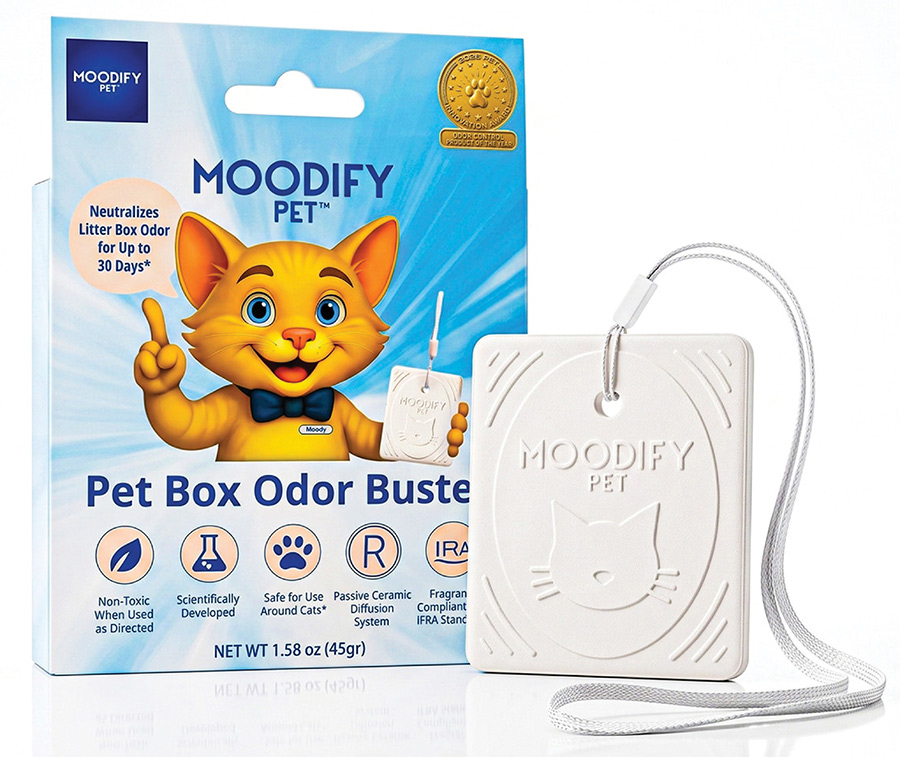
New Products



Bear with each other and forgive one another if any of you has a grievance against someone. Forgive as the Lord forgave you.
Colossians 3:13 ● NIV BIBLE
Colossians 3:13 ● NIV BIBLE


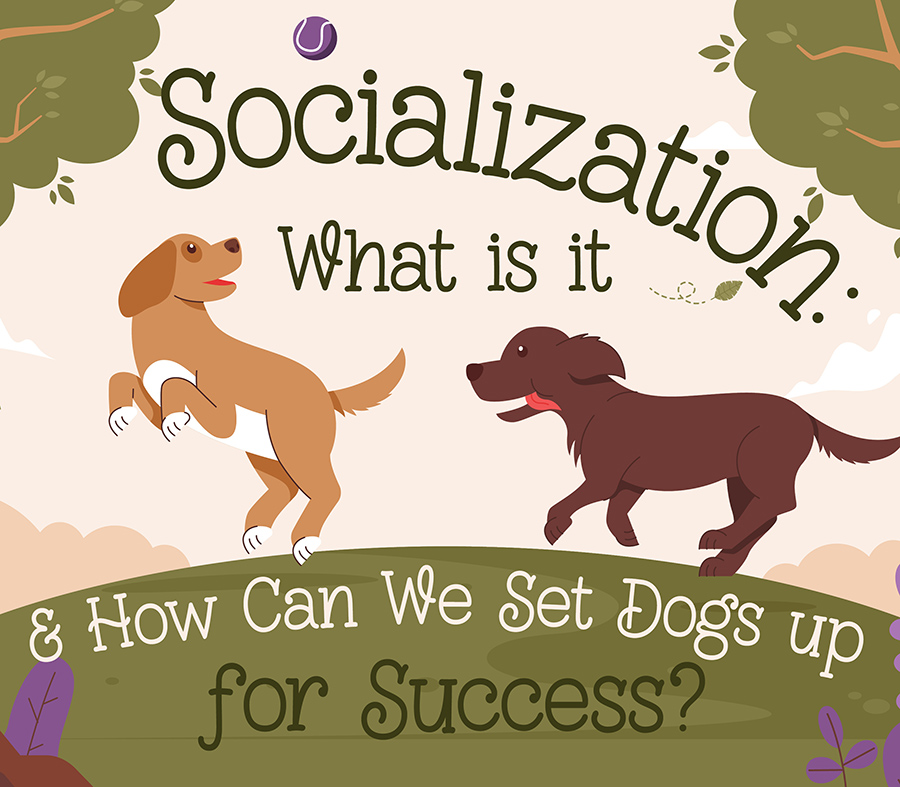
Socialization should not mean teaching a dog that every person, every dog or every environment is something they need to love. Instead, it should be about teaching them to navigate those situations successfully while allowing us to recognize and respect their individual boundaries. As the people responsible for these dogs, part of our job is learning to read what they are telling us, helping them work through challenges and understanding when they need space.
In many ways, dog socialization is more similar to human socialization than we give it credit for. Think about the people in your own life. There are probably people you simply do not get along with, others you can spend time with and enjoy but may not necessarily be “your people,” then there is likely a smaller group of family and close friends who you feel completely comfortable with and naturally gravitate toward. Dogs can be the same way.
Not every dog needs to love every other dog. Some dogs genuinely enjoy meeting everyone they encounter, others are more selective about who they want to interact with, and some prefer a few close relationships rather than being a part of a large social group. None of these personalities automatically make a dog unsocial; they simply demonstrate that social acceptance exists on a spectrum.
So, what can we do to help dogs become more well-rounded in our care?
One way our daycares can help a dog build confidence or settle into the environment is through enrichment. If you have a dog that comes in with high energy or needs time to settle, creating a sniff space where they can explore, process and calm their mind can be a benefit to slowing them—physically or mentally—before socialization.
Other times, a dog may need to be put in a space to calm down from the excitement of being there before they go into group play. This will provide them the opportunity to regulate themselves and not put all that excess energy toward other dogs.
Dividing daycare into smaller groups is another way we can help guide our dogs, such as separating playgroups based on size. Creating smaller-dog-specific groups can provide an environment where those dogs feel more comfortable communicating and interacting and can play with dogs who match their size, energy and social style, giving them opportunities to succeed rather than constantly asking them to overcome something uncomfortable.
We have to be prepared to navigate challenging situations as well. What if a dog comes into a playgroup tense, nervous or overwhelmed? It is easy to interpret that behavior as aggression or fear, but that may not be what is happening at all.
Imagine walking into a crowded room where several unfamiliar people immediately surround you, all wanting your attention. You might feel overwhelmed, uncomfortable, or even want to get away. Dogs can experience that same feeling.
One way to introduce a new dog is to put them in a gated play area where they can see the other dogs and settle in a bit before introducing them directly. When the introduction does happen, a hand-picked group of neutral-energy dogs will allow for the most positive experience.
It’s also helpful to back up the other dogs, creating a bubble, so the new dog has ample space between them and the group. Letting the dog walk into a space that is more open and allows the dogs interact more individually is a great way to give that dog space and build confidence.
If a dog is struggling to socialize or the play is not appropriate, the solution may not be to remove the dog from the pack, but to change the experience. Moving an overexcited dog into a group with higher energy may give them the opportunity to play in a way that matches their energy at that time. Similarly, when a dog gets tired and snappy and doesn’t want to interact, moving them to a calmer group can provide them with more of the relaxation that they need.
Socialization is not about forcing a dog to be okay with everything; it is about giving dogs choices, understanding their communication, respecting boundaries and gradually expanding their comfort zone. When we stop measuring socialization by how much our dogs can tolerate and instead measure how confidently they can navigate the environment, we give them a much better chance of succeeding.
Kelly Steinhoff has over 16 years of dog training experience and serves as the Director of Training and Co-Owner of Bark Avenue Daycamp in Barlett, IL. Bark Avenue has been in business for 19 years, offering daycare, boarding, and training services. Kelly began her career earning a Bachelor’s degree in Animal Science with the goal of becoming a veterinarian. After discovering a passion for training, she worked with her own dogs in competitive obedience, personal protection, and narcotic detection. She later expanded her work to include client dogs and now leads a Train the Trainer program, where she teaches others how effectively train dogs.