



 ost business owners entered the pet care industry out of a genuine love for animals and serving their communities. They imagine wagging tails, the trusting client relationships, and the satisfaction of knowing pets are safe and happy in their care. But pricing strategy? That probably wasn’t part of the dream.
Still, pricing affects everything in a pet care business: overall profitability, the staff you attract and retain, how much you can reinvest in the facility, and even how prospective clients perceive the business before they ever set foot inside. When it’s right, pricing becomes an invaluable tool. When it’s wrong, it can quietly erode revenue until there’s nothing left.
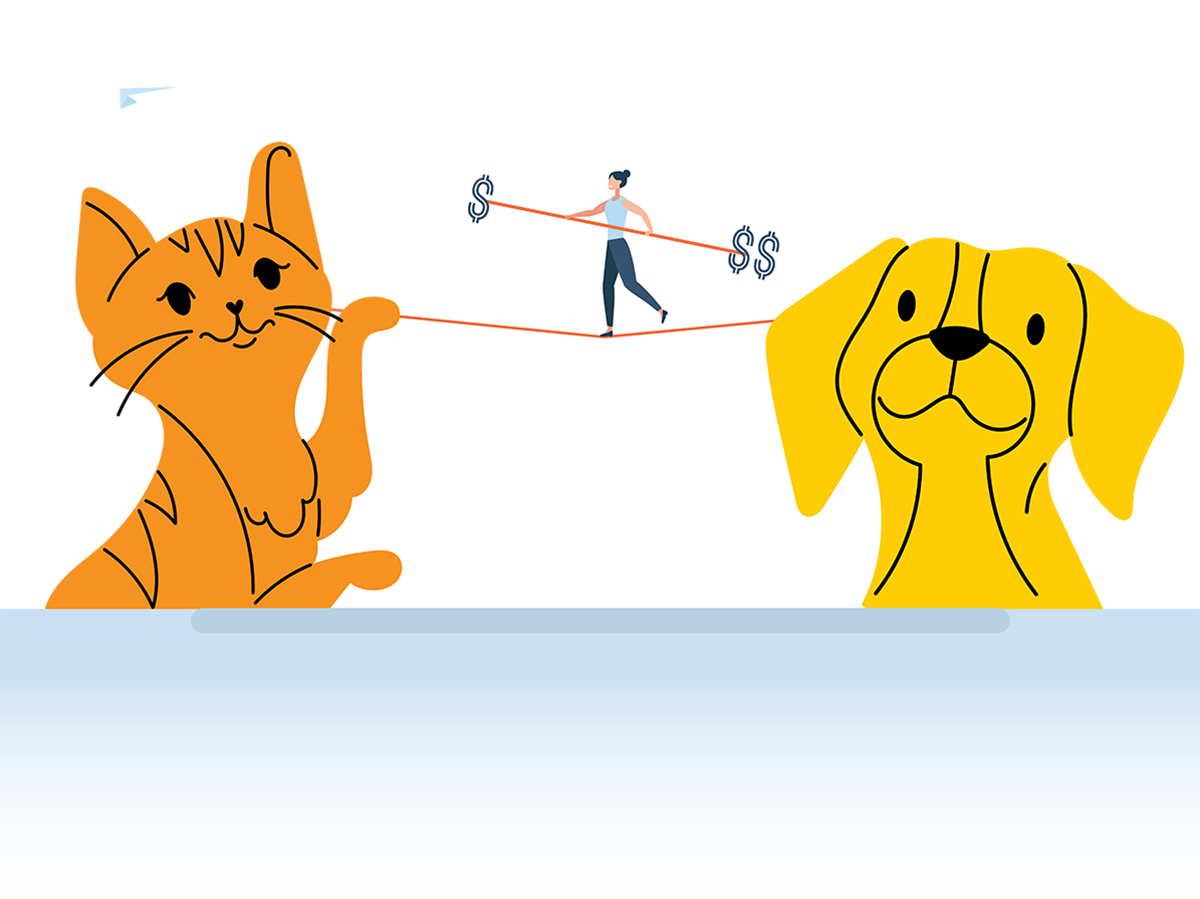
Unfortunately, pricing can feel less like a single decision and more like a mountain of difficult questions. Are your rates keeping up with your costs? Should you be charging more than your competitors? How should you handle your next price adjustment? Are you making pricing decisions based on strategy or on what seems safest? It can feel overwhelming, but it doesn’t have to be.
On the other side, if rates are too high, prospective clients will simply look elsewhere, revenue will shrink as fewer new clients buy services and more existing clients switch to other providers. Either way results in a fall to the bottom—unless you find that balanced “sweet spot.”
With so many moving parts, it’s easy for even the most experienced business owners to become too close to the decision-making process. Knowing your numbers helps, but pricing is about much more than that. Ultimately, it requires an objective evaluation of your business in the context of the local market.
- What Sets You Apart: Every pricing decision starts with a clear understanding of the experience your facility provides both the pets in your care and their parents. Employee training, guest amenities, enrichment options and communication—every investment is part of the equation.
Pet parents aren’t just buying a place for their pet to spend the night; they’re also paying for the confidence their pet will be safe, comfortable and happy. Identifying exactly what makes your facility special is at the heart of an effective pricing strategy.
- Local Competition: Understanding what competitors charge (and what they provide for that price) is essential information. But the goal isn’t to be a mirror; it’s to be a magnifying glass. Identify where your facility stands relative to other location options and what differentiates it.
Trying to compete solely on price is a race to the bottom…especially with gig-economy powerhouses like Rover, which aren’t burdened by the overhead costs of traditional facilities.
- Pricing Structure: The structure of your pricing matters nearly as much as the rates themselves. Many facilities use an “inclusive” model—one flat rate that bundles boarding with activities, daycare or other extras. On the surface, this feels like a simple, appealing approach. In practice, however, it tends to snuff out your revenue potential. Price-sensitive customers will pass on the relatively high nightly rate, while those eager to spend on their pets may have spent more for a customized stay.
A more sustainable solution is an activity package model, where the base rate covers the core overnight care and pet parents have their choice of add-ons based on their pet and preferences. This structure opens up far more revenue opportunities, accommodates a wider range of budgets and lets pet parents tailor the experience in a way that feels personal rather than transactional.
Altogether, this kind of analysis paints a clearer, larger picture of your business. For many owners, the hardest part is zooming out enough not to miss anything.
Here are a few things to keep in mind for the best success:
- Your staff are at the front line: Your employees are the people who will field questions, respond to pushback and—consciously or not—either defend or undermine your new pricing every day. Before any rate change goes into effect, it’s critical that managers and staff understand and support the reasoning. What’s it costing the business to deliver this level of care? Why are these prices fair? If your employees don’t believe your services are worth the cost, customers probably won’t either.
- Clear communication: The delivery matters. It’s best to give adequate notice of upcoming rate changes without blowing them out of proportion. Consider preparing your staff with simple, confident language to address concerns and ensure clients know what they’re getting for their money. Confidence, clarity and consistency work in your favor.
- Steps, not leaps: If you’ve been undercharging for years, you may need to implement a relatively large adjustment to get you to where you should be. That can feel painful in the short term, but delaying it often makes the problem worse. Once you’ve recalibrated, resist the temptation to let prices stagnate again by reviewing your rates multiple times per year and making smaller, more frequent adjustments. This keeps individual changes more digestible for clients, and when executed well, helps clients understand that prices are fluid, not fixed.

- Look at your costs and pricing history: When did you last change your prices? What about the time before that? How much did they change? Now compare that to how much your operating costs have grown over the same period—wages, utilities, insurance, supplies and everything else. If your costs have risen significantly faster than your price (and if you’re like most this year, they likely have), it’s probably a good time to take action.
- Don’t overlook non-boarding services: As the bread and butter, pet boarding gets the most attention in a typical pet care facility. But it’s far from the only revenue driver. Daycare, grooming and training all contribute to annual revenue—and they’re especially critical given the seasonal swings of overnight boarding demand. If your pricing strategy has focused primarily on boarding while your other services trail behind, you may be leaving meaningful revenue on the table. Every service you offer deserves the same level of careful attention.
- Consider seeking an outside perspective: Even the most dedicated, capable business owners often have blind spots when it comes to their own operations. When we’re deeply invested in something, the emotional connection that drives our passion can also make it difficult to get the whole picture in frame. A fresh, third-party perspective can uncover opportunities that are difficult to recognize from inside the operation and provide the confidence to make pricing decisions based on data and expertise.
Pricing strategically may not be the reason you entered this industry, but it’s what makes everything else possible—future investments in the facility and staff, continued growth year after year, and the ability to raise the bar every day for your clients, the pets and yourself. The business you want tomorrow begins with the decisions you make today.
Laura Laaman is president of Outstanding Pet Care. If you’re interested in the strategies discussed in this article and want to grow your revenue and profit with our proven, guaranteed services, schedule a consultation by calling 1-888-836-8740 or visit www.outstandingpetcare.com/contact.