









Barkleigh Productions, Inc.
Rebecca Shipman
Laura Pennington
Brandi Aurelio
Carlee Kubistek
Luke Dumberth
Todd Shelly
Gwen Shelly
Adam Lohr
James Severs
Karin Grottola
Evan Gummo
CONTACT
General: (717) 691-3388
Editorial: rebecca@barkleigh.com
Advertising: james@barkleigh.com


14

54

Facility
- Aerapy Animal Health57
- Alpha Tech Pet33
- Alpha Tech Pet64
- Assessment Ace20
- BackYard Pet Supplies29
- Barkleigh Store – Boarding Kennels46
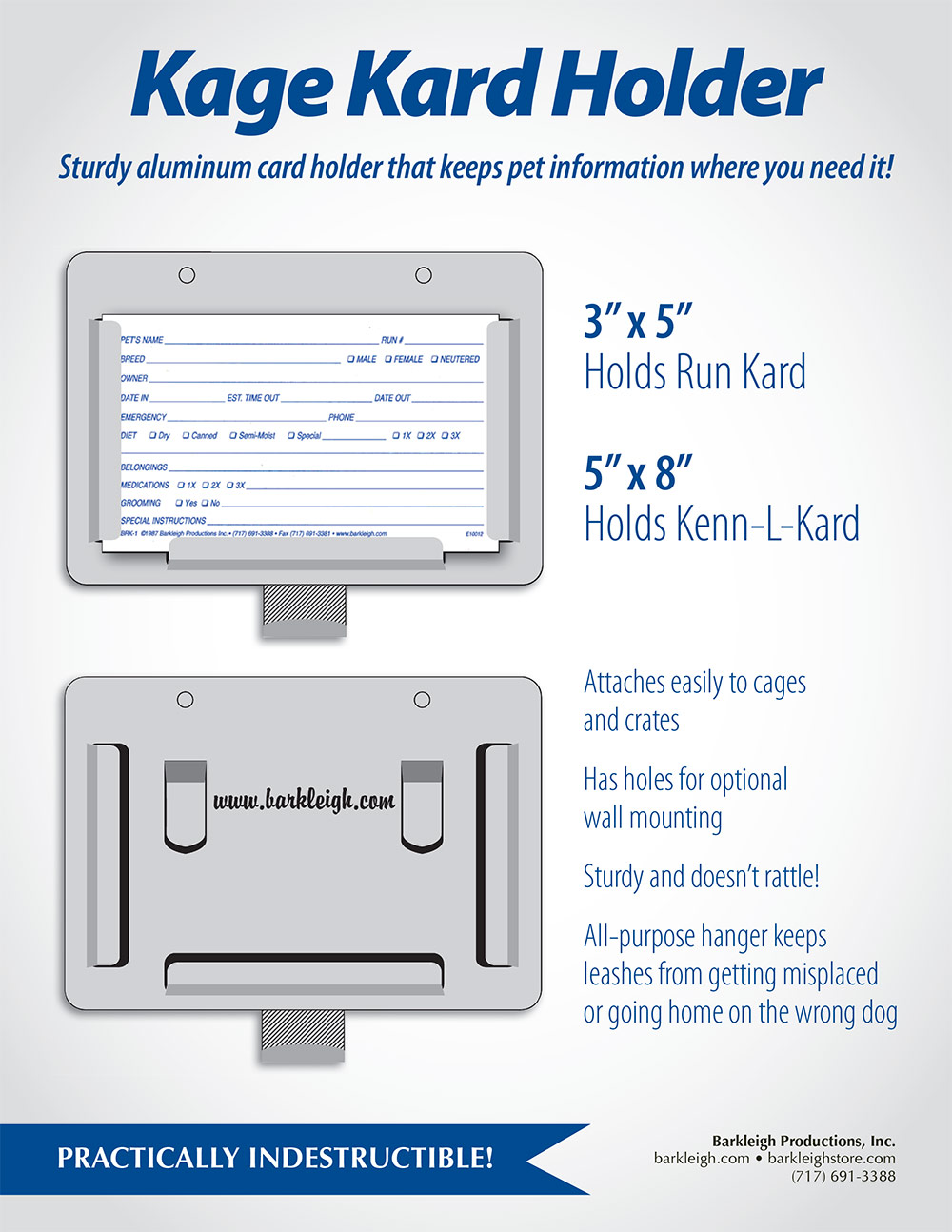
- Barkleigh Store – Kage Kard Holder61
- Barkleigh Store – Meow Wow41
- Barkleigh Store – Positive Growth Mindset Journal58
- Best Shot Pet – Shofur Infusions63
- Business Insurers of the Carolinas52
- BusyPaws2
- Cantara Pet Business Advisors30
- Cantara Pet Business Advisors60
- CleanWise7
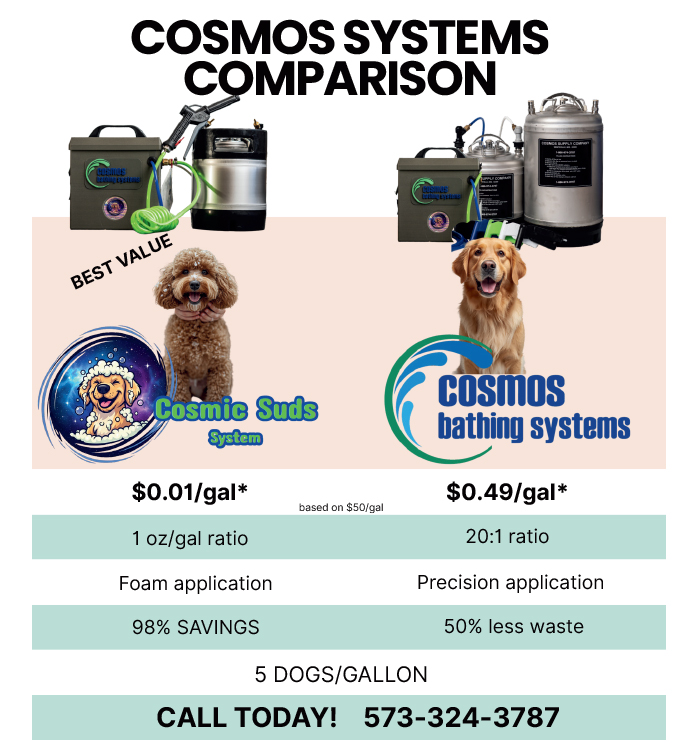
- Cosmos Bathing Systems9
- Direct Animal Products59
- Electric Cleaner Company40
- Enrichment University13
- First Financial Bank42
- Focus Answering Service10
- Friedman Tax26
- Gator Kennels8
- Governor Insurance Agency35
- Gyms for Dogs39
- K9 Grass by ForeverLawn19
- Kuranda Pro3
- Midmark5
- Natura Turf Pro53
- Odorcide21
- Online Doggy38
- Outstanding Pet Care16
- Paragon School of Pet Grooming34
- Pet Boarding and Daycare Expo55
- Pet Boarding and Daycare Podcast42
- Pet Business Marketing12
- Pet Business Marketing17
- Pet Vet Sales15
- Pet-Shield32
- PetBizInsurance.com22
- PetLift25
- Poly Pet Tubs47
- Presidio Custom Kennels50
- Professional Animal Care Certification Council27
- Professional Pet Boarding Certification49
- Puppy Playground11
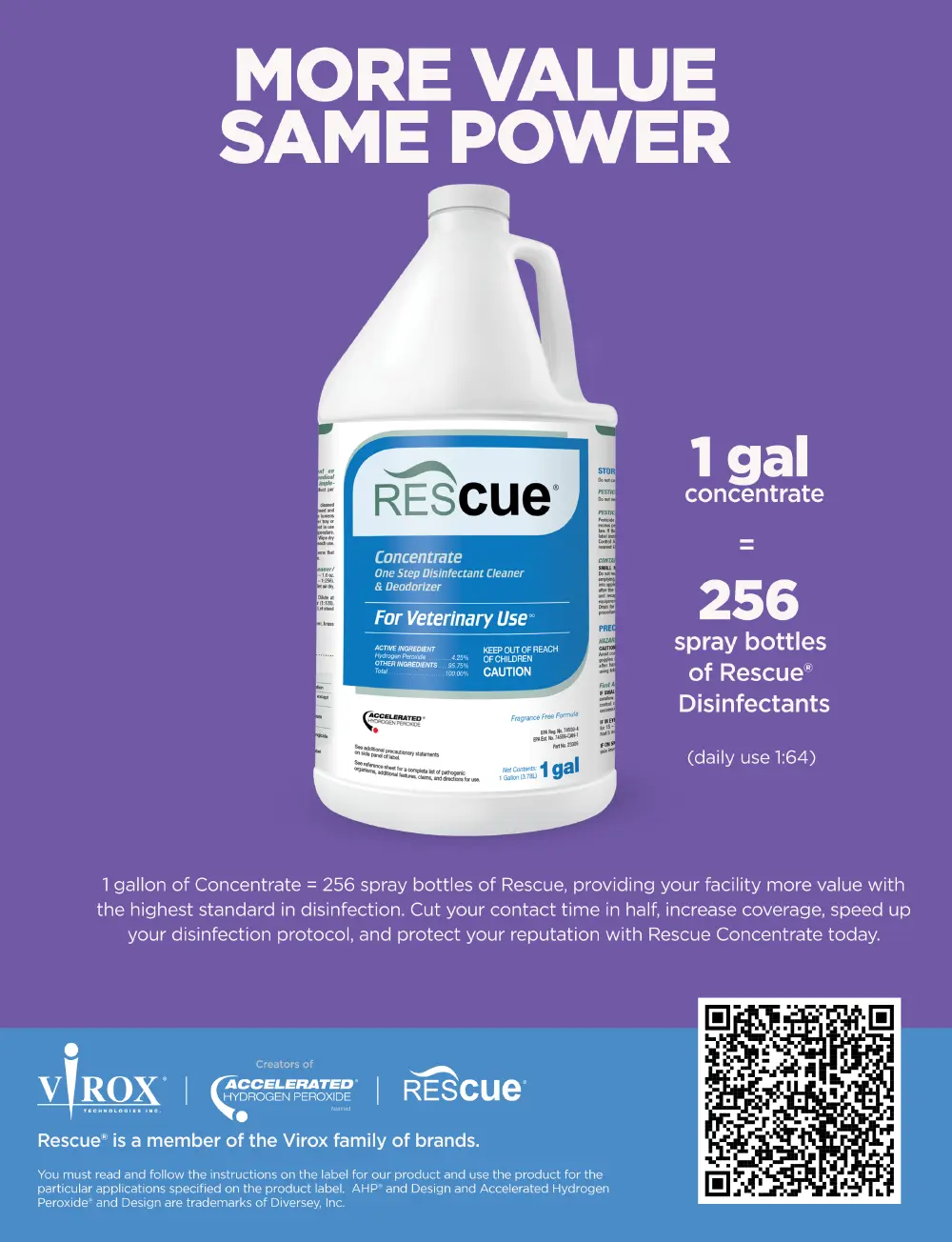
- Rescue Disinfectants45
- Snyder Manufacturing Company23
- Stone Mountain Pet Products31
- Turnkey, Inc.18
- Wag’n Tails51







































 very boarding and daycare operator has a list. It might not be written down, but it exists. It’s the list of dogs you’re a little worried about—the ones who are socially selective, easily offended or require a skilled handler, or those you’ve stopped pairing with new dogs or schedule around so that they don’t overlap with the wrong dog. You know a conversation is coming; you’ve just been hoping the situation could wait or magically resolve itself. The truth is, it usually doesn’t.
The longer these conversations are postponed, the harder they are to have and the worse the outcome tends to be. By the time most of us build up the courage to bring up a dog’s behavior with its owner, something has already happened—a bite, a fight or a near miss that scared a staff member. At that point, you’re not having a conversation about training; you’re having a conversation about damage control.
You may think clients will take these discussions critically or personally, others may assume you’re trying to push them into other services, and a few will get defensive and start shopping for a new facility. Staff feel this risk too, which is why behavior concerns often get watered down by the time they reach the owner. The note in the file says “rough day,” when what actually happened was a fight.
There’s also a quiet financial logic at work. A daycare client coming in three days a week is real revenue. Telling that client their dog might not be a good fit for group play feels like volunteering to lose money. So the conversation gets postponed, the behavior gets worse and eventually the dog has to be excused anyway. Now you’ve lost the revenue and the relationship.
You see the dog in a context the owner doesn’t. You see them with other dogs, in a high-arousal environment, away from their person, across an entire day. The owner sees their dog at home, on walks and during the brief handoff at your front desk. You have information they don’t have, and they’re paying you, in part, for access to that information.
When you frame the conversation this way, two things change. First, the client is less likely to feel attacked because you’re not pointing out a flaw; you’re sharing observations from a vantage point they don’t have. And second, you’re less likely to soften the message because you understand that giving them watered-down information is actually a failure of service.


Practice matters. Every time a dog rehearses an undesired behavior, they get better at it. And when talking about reactivity or aggression, the function of the behavior is often to increase distance. Meaning, the dog is communicating that it needs space or is uncomfortable. A dog who keeps exhibiting distance-increasing behavior is telling us the environment isn’t working for them. Our job is to listen.
The rule should be simple: If you’ve adjusted how you handle a dog two or three times in response to something you’ve seen, the conversation is overdue. Examples of adjustments that count are:
- You’ve started keeping the dog out of certain playgroups.
- You’ve added a specific staff member to the rotation because the dog does better with them.
- You’ve started skipping certain activities with the dog.
- You’ve had more than one staff conversation about how to handle the dog.
Each of these adjustments is information, and the owner is paying for that information. They can’t act on what you don’t share.
Here are a few openers that work:
- “I want to share some things we’ve been seeing with [dog’s name] so we can think about next steps together.” This positions you as a partner, not a judge. Thinking together is non-threatening and signals you’re not delivering a verdict.
- “[Dog’s name] is one of our regulars, and we know him well. That’s exactly why I want to flag something we’re noticing.” This frames the conversation as a function of how well you know the dog, not a complaint about him. Long-term clients respond well to this.
- “We see things at the facility that you wouldn’t necessarily see at home, and I want to make sure I’m sharing that with you.” This explicitly names your vantage point and makes clear that withholding the information would be a disservice.
Here are a few openers that don’t work:
- “We’re having some issues with [dog’s name].” This comes off as vague and defensive, and it frames the dog as the problem. The client will assume you’re building a case to dismiss them.
- “I don’t know how to say this, but…” Now the client is bracing for catastrophe. Whatever you say next will land harder than it should.
- “Have you considered training?” This skips the entire setup. And without context, it sounds like a sales pitch.
If you have a referral relationship with a certified professional trainer, share their information. For example: “We work closely with [trainer’s name], and they’re the person I’d recommend for what we’re seeing.” That sentence does three things: It tells the client you have a trusted resource, that the trainer has independent credentials and that the next step is easy.
If you have an in-house trainer, the conversation is even more direct. For example: “I’d like to have [trainer’s name] do an evaluation while [dog’s name] is here this week and call you with what they see.” The client gets a path forward without having to organize anything.
What you want to avoid is handing the client a list of three trainers and telling them to call around. That puts the burden of vetting on someone who has no framework for vetting trainers, and it dilutes your endorsement. If you’re not comfortable making a specific recommendation, that’s a sign you should build a referral relationship with a credentialed trainer before you need one.
- “He’s never done that at home.” Of course he hasn’t—home is a different environment. The dog who is calm in a quiet living room with his person isn’t the same dog in a play yard with 12 other dogs. Both versions of the dog are real. You’re reporting on the version they don’t see.
- “Are you saying you don’t want him here?” No, you’re saying you want him to keep coming, and you want to address what you’re seeing before it becomes a reason he can’t. Be clear about that: “I’m bringing this up now because I want him to keep coming. Addressing it now is how we make that possible.”
- “I can’t afford a trainer right now.” This is a real constraint, and it deserves a real answer. Sometimes the answer is a modified schedule that reduces the dog’s exposure to the trigger, a staff-led management plan in the short term while the owner saves up or a referral to a trainer who offers payment plans. What you don’t want to do is let the cost objection close the conversation. You’ve still done the right thing by raising the issue, and the owner now has information they didn’t have before.
Operators who treat behavior conversations as a normal part of client service rather than an emergency intervention build stronger client relationships, lose fewer dogs to preventable incidents and end up with a roster of clients who trust them. Our clients are paying us to know their dog—it’s our job to tell them what we know.
Bradley Phifer, CBCC-KA, CPDT-KSA, is the Executive Director of the Certification Council for Professional Dog Trainers (CCPDT) and the owner of multiple dog training, boarding, and daycare businesses. He specializes in behavior modification, professional standards, and the practical application of learning theory in real-world settings.




 ost business owners entered the pet care industry out of a genuine love for animals and serving their communities. They imagine wagging tails, the trusting client relationships, and the satisfaction of knowing pets are safe and happy in their care. But pricing strategy? That probably wasn’t part of the dream.
Still, pricing affects everything in a pet care business: overall profitability, the staff you attract and retain, how much you can reinvest in the facility, and even how prospective clients perceive the business before they ever set foot inside. When it’s right, pricing becomes an invaluable tool. When it’s wrong, it can quietly erode revenue until there’s nothing left.
Unfortunately, pricing can feel less like a single decision and more like a mountain of difficult questions. Are your rates keeping up with your costs? Should you be charging more than your competitors? How should you handle your next price adjustment? Are you making pricing decisions based on strategy or on what seems safest? It can feel overwhelming, but it doesn’t have to be.

On the other side, if rates are too high, prospective clients will simply look elsewhere, revenue will shrink as fewer new clients buy services and more existing clients switch to other providers. Either way results in a fall to the bottom—unless you find that balanced “sweet spot.”
With so many moving parts, it’s easy for even the most experienced business owners to become too close to the decision-making process. Knowing your numbers helps, but pricing is about much more than that. Ultimately, it requires an objective evaluation of your business in the context of the local market.
- What Sets You Apart: Every pricing decision starts with a clear understanding of the experience your facility provides both the pets in your care and their parents. Employee training, guest amenities, enrichment options and communication—every investment is part of the equation.
Pet parents aren’t just buying a place for their pet to spend the night; they’re also paying for the confidence their pet will be safe, comfortable and happy. Identifying exactly what makes your facility special is at the heart of an effective pricing strategy.
- Local Competition: Understanding what competitors charge (and what they provide for that price) is essential information. But the goal isn’t to be a mirror; it’s to be a magnifying glass. Identify where your facility stands relative to other location options and what differentiates it.
Trying to compete solely on price is a race to the bottom…especially with gig-economy powerhouses like Rover, which aren’t burdened by the overhead costs of traditional facilities.
- Pricing Structure: The structure of your pricing matters nearly as much as the rates themselves. Many facilities use an “inclusive” model—one flat rate that bundles boarding with activities, daycare or other extras. On the surface, this feels like a simple, appealing approach. In practice, however, it tends to snuff out your revenue potential. Price-sensitive customers will pass on the relatively high nightly rate, while those eager to spend on their pets may have spent more for a customized stay.
A more sustainable solution is an activity package model, where the base rate covers the core overnight care and pet parents have their choice of add-ons based on their pet and preferences. This structure opens up far more revenue opportunities, accommodates a wider range of budgets and lets pet parents tailor the experience in a way that feels personal rather than transactional.
Altogether, this kind of analysis paints a clearer, larger picture of your business. For many owners, the hardest part is zooming out enough not to miss anything.
Here are a few things to keep in mind for the best success:
- Your staff are at the front line: Your employees are the people who will field questions, respond to pushback and—consciously or not—either defend or undermine your new pricing every day. Before any rate change goes into effect, it’s critical that managers and staff understand and support the reasoning. What’s it costing the business to deliver this level of care? Why are these prices fair? If your employees don’t believe your services are worth the cost, customers probably won’t either.
- Clear communication: The delivery matters. It’s best to give adequate notice of upcoming rate changes without blowing them out of proportion. Consider preparing your staff with simple, confident language to address concerns and ensure clients know what they’re getting for their money. Confidence, clarity and consistency work in your favor.
- Steps, not leaps: If you’ve been undercharging for years, you may need to implement a relatively large adjustment to get you to where you should be. That can feel painful in the short term, but delaying it often makes the problem worse. Once you’ve recalibrated, resist the temptation to let prices stagnate again by reviewing your rates multiple times per year and making smaller, more frequent adjustments. This keeps individual changes more digestible for clients, and when executed well, helps clients understand that prices are fluid, not fixed.

- Look at your costs and pricing history: When did you last change your prices? What about the time before that? How much did they change? Now compare that to how much your operating costs have grown over the same period—wages, utilities, insurance, supplies and everything else. If your costs have risen significantly faster than your price (and if you’re like most this year, they likely have), it’s probably a good time to take action.
- Don’t overlook non-boarding services: As the bread and butter, pet boarding gets the most attention in a typical pet care facility. But it’s far from the only revenue driver. Daycare, grooming and training all contribute to annual revenue—and they’re especially critical given the seasonal swings of overnight boarding demand. If your pricing strategy has focused primarily on boarding while your other services trail behind, you may be leaving meaningful revenue on the table. Every service you offer deserves the same level of careful attention.
- Consider seeking an outside perspective: Even the most dedicated, capable business owners often have blind spots when it comes to their own operations. When we’re deeply invested in something, the emotional connection that drives our passion can also make it difficult to get the whole picture in frame. A fresh, third-party perspective can uncover opportunities that are difficult to recognize from inside the operation and provide the confidence to make pricing decisions based on data and expertise.
Pricing strategically may not be the reason you entered this industry, but it’s what makes everything else possible—future investments in the facility and staff, continued growth year after year, and the ability to raise the bar every day for your clients, the pets and yourself. The business you want tomorrow begins with the decisions you make today.
Laura Laaman is president of Outstanding Pet Care. If you’re interested in the strategies discussed in this article and want to grow your revenue and profit with our proven, guaranteed services, schedule a consultation by calling 1-888-836-8740 or visit www.outstandingpetcare.com/contact.



Early signs of stress and agitation include:
- Tail flicking or lashing aggressively
- Ears flattened or twitching
- Dilated pupils
- Intense staring
- Low growling or yowling
- Tense body posture
- Avoiding touch
These behaviors can escalate to aggression, including:
- Hissing
- Swatting or lunging
- Biting attempts (or actual bites!)
- Back-arching and puffing up
- Repeated escape attempts
- Frenzied movement
If a cat is displaying early warning signs, it’s best to pause and reassess your approach before continuing with handling.
Shy cats respond well to a quiet and calm approach, towel wraps, hiding their head and offering them breaks to help them acclimate to new experiences. An aggressive cat will do better with a confident approach that limits handling and balances speed and efficiency. If a cat is escalating quickly in aggressive behaviors, you may have misjudged the cat’s temperament and will need to change your techniques.
Fear is the most common cause. Cats are hardwired to avoid danger, and a new environment with unfamiliar smells, noises and hands can be terrifying. A frightened cat may go from tense to explosive in a matter of seconds if they feel they can’t escape.
Pain is another key factor. Cats experiencing arthritis, dental pain, previous injuries or wounds may lash out if touched in a sensitive area. Even routine handling can feel unbearable if it exacerbates an underlying condition.
Previous negative experiences also shape behavior. Cats that have been roughly handled, had painful grooming in the past or suffered trauma during vet visits may come in already braced for a fight. They’ve learned that restraint means discomfort, and they respond accordingly.
Time can also be a major contributor. Some cats simply run out of patience. They may tolerate some handling fairly well but become increasingly reactive the longer it goes on. Recognizing this shift can help you plan more strategically.
Aggression is almost always a form of communication. When pet professionals interpret the message correctly and respond with appropriate techniques, we’re more likely to keep ourselves safe and the cats calmer.
- Silence is Golden: Limit distractions and sudden, loud noises. This will help to prevent the cat from reacting to something happening elsewhere.
- A Towel is Your Best Friend: Draping or wrapping a cat in a towel can help with gentle control while also providing a layer of protection.
- Introduce an Appropriate Muzzle: These can reduce biting risks while also helping to calm the cat. Choose a comfortable, breathable option designed for cats, like an Air Muzzle or Elizabethan Collar.
- Alter Techniques Based on Previous Reactions: There is no one-size-fits-all approach; however, you can “predict” their behavior based on how they’ve already reacted.
- Minimize Handling Time: Work quickly but carefully. The longer an aggressive cat is restrained, the more likely they are to escalate.
- Have Confidence: There isn’t a great way to “fake” this. Cats that are responding aggressively to new things, being touched, etc. don’t want to be cuddled or slow blinked at—they want you to be DONE.
It bears repeating that there is no one-size-fits-all approach. Keeping detailed notes will help you keep track of what is working or if there is a sudden change to a cat’s behavior that needs veterinary attention. Despite your best efforts, though, some cats will continue to act aggressively. This is when it’s time to assess whether keeping them as a client is worth the risk.
When making this decision, it’s essential to explain the situation professionally and compassionately to the owner. Instead of saying, “Your cat is impossible to handle,” try, “Your cat is showing signs of extreme stress and aggression, and I am not willing to put them at risk.”
Following this, you should offer them solutions or alternatives. Teaching owners how to work with their cat at home and expose them to new environments can reduce the cat’s negative association with handling and new situations. Make it clear that the cat’s safety and wellbeing are your top priorities.
- If uncomfortable, don’t handle the cat alone.
- Wear bite-resistant gloves and arm guards if necessary.
- Keep first aid supplies on hand for scratches or bites.
- Maintain liability waivers to protect your business in case of an incident.
- Trust your instincts; if a situation feels unsafe, it probably is.
Handling cats requires skill, patience and resilience, but it’s also about knowing when to turn them away. If a feline client is beyond handling, stepping back and recommending alternative solutions is not a failure; it’s the sign of a responsible, knowledgeable professional.



 any owners don’t decide to sell—they notice it, often in a season that felt harder than the last, in a milestone birthday or in an unsolicited email that makes them wonder what the business is actually worth. The decision arrives quietly. But what separates the owners who get a premium outcome when selling their business is what they do in the months and even years before that moment, not after it.
The landscape of the pet resort industry has shifted dramatically over the last decade. Private-equity-backed consolidators, sophisticated family offices and highly capitalized individuals are actively acquiring well-run pet businesses. However, a significant gap often exists between what an owner believes their business is worth and what the market will actually pay. This discrepancy occurs because owners frequently go to market without stepping behind the buyer’s lens to understand how the buyer actually underwrites risk, evaluates business metrics or values profitability.
- Planning Well Ahead: Clean financials, reduced owner dependency and regulatory safety nets cannot be fabricated in a few frantic weeks; they must be built deliberately over time.
- Understanding the Buyer’s Perspective: Acquirers do not look at your business through an emotional lens; they look at it as a risk-managed portfolio, evaluating how seamlessly the operation will function after you step away.
- Targeting Key Value Drivers: Buyers build their offers around specific benchmarks of business attractiveness, operational efficiency and scalable valuation metrics.
To maximize your value and transition from an operator to a true shareholder, owners should:
- Empower a General Manager (GM): If a GM is already on your team, ensure they are truly empowered to run the facility’s day-to-day workflow. If you do not have a GM in place, move aggressively to hire a high-quality operator as soon as possible. Elevating or hiring this leader 12+ months before a sale ensures a stable, turnkey management layer that remains post transaction.
- Minimize Owner Hours and Ensure Replaceability: Your active time spent on the business should ideally be reduced to 10 hours per week or less leading up to a sale. Furthermore, your remaining operational focus must be entirely “replaceable”—meaning the incoming buyer can absorb your responsibilities within their existing corporate infrastructure.
- Target Strategic Labor Metrics: Labor is your largest line item. Buyers want labor optimized prior to buying—not after—and will closely analyze payroll-to-revenue ratios. Clean up scheduling models to get your labor expense below 45% (ideally hitting a 35% target) of total revenue.

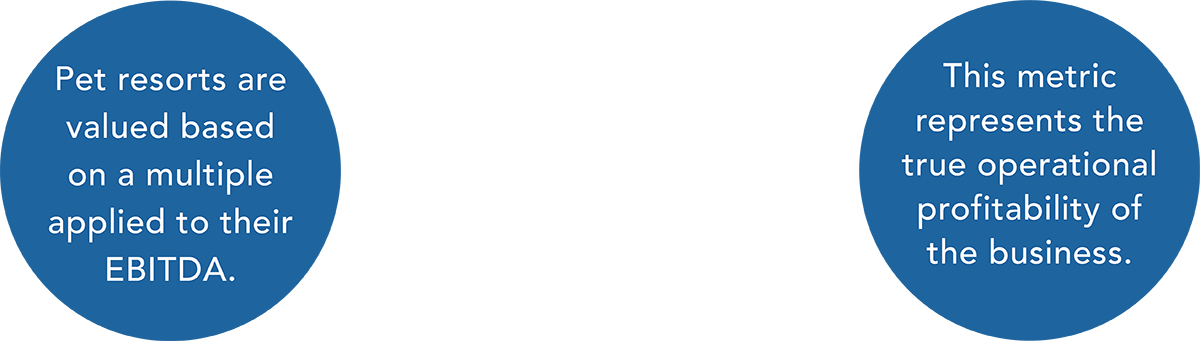

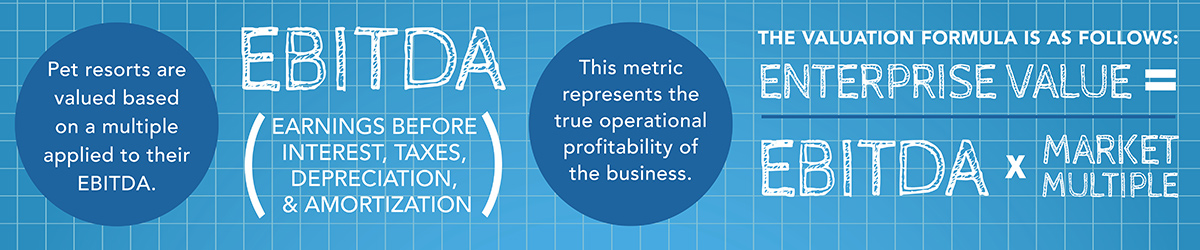
To maximize your pet resort’s EBITDA, be sure to:
- Professionalize the Books: If you run your financials on a cash basis or use informal bookkeeping, transition immediately to an accountant. Buyers require clean, clear and consistent financial statements.
- Identify Defensible Add-Backs: Work with your accountant to track and document personal or discretionary expenses run through the business, such as owner compensation above market rate, personal vehicles and non-recurring capital investments. Professional buyers look for this documentation for the last three years as a strict baseline requirement during underwriting. Every add-back must be supported by a clear paper trail; aggressive or undocumented adjustments instantly erode buyer trust during due diligence.
It’s essential to establish a sound legal foundation before going to market, which can be accomplished through:
- Audit Zoning and Permits: Ensure your property is explicitly and correctly zoned for pet care usage. If your facility operates under a legal non-conforming status (“grandfathered” zoning), retain a land-use attorney or municipal consultant to investigate exactly what happens to that status upon a change of ownership. Verify that all municipal and state business licenses and health department certifications are current.
- If You Lease Your Facility: Review assignment clauses carefully; most require formal landlord consent for a transfer of ownership. Ensure your lease has at least three to five years remaining, preferably with several long-term renewal options. If you have a good relationship with your landlord, open a dialogue early regarding a potential sale.
- If You Own the Real Estate: Establish a clear boundary between the property asset and the business asset. Obtain an independent, professional property valuation. Crucially, ensure your business books reflect a fair market lease rate so a buyer can accurately evaluate the resort’s true operational profitability.


- Execute a Prioritized Facility Audit: It is rarely realistic to fix every cosmetic blemish. Instead, conduct a comprehensive review of your facility and build a list of all aesthetic and structural issues. Cost and prioritize addressing high-impact items like damaged epoxy flooring, rusted kennel latches and worn play-yard turf.
- Review Lease CapEx Responsibilities: Before spending money on major structural elements, review your commercial lease. The landlord may bear financial responsibility for major capital expenditures, such as commercial HVAC systems and roofing repairs.
- Enhance Curb Appeal: The physical entry experience should signal a premium operation. A clean, modern and completely odor-free lobby builds immediate buyer confidence.
To lock in that talk-of-the-town, 5-star standing, resort owners will need to:
- Drive Consistent Google Reviews: A strong digital reputation is one of the first metrics an acquisition team checks. A Google Rating of 4.5+ stars, with frequent recent positive reviews, is important to a buyer. Implement automated systems that prompt happy clients for reviews immediately following checkout.
- Demonstrate Active Moderation: Ensure your management team professionally and calmly responds to both glowing reviews and any negative feedback. This proves to an incoming investor that your client base is actively managed and highly insulated from reputational crises.
To hypothetically answer that question as a buyer, you might:
- Highlight Underutilized Capacity: If your facility hits peak capacity only during major holidays, detail the clear growth runway available by expanding off-peak daycare programs, midday enrichment activities or targeted midweek training packages.
- Identify Scalable Service Lines: Outline how an unutilized room or outdoor area could be converted into a high-margin grooming salon, a specialized feline boarding wing or a retail space.
- Demonstrate the Impact of Pricing Power: Prove the pricing elasticity of your local market by presenting a clear track record of historical rate increases. Showing a buyer that the facility seamlessly handles a predictable 3-5% annual inflationary adjustment without losing clientele highlights immediate top-line leverage. Additionally, outline the potential to deploy high-margin, value-packed activity bundles, which allows an incoming owner to rapidly increase average client spend without adding to physical overhead.
- Identify Untapped Marketing Channels: Present a blueprint of underutilized or uninitiated marketing avenues that a buyer could immediately activate to drive customer acquisition. Documenting the ready-to-launch upside of targeted digital advertising campaigns, automated email marketing nurture tracks or local strategic partnerships provides a corporate acquirer with an immediate plug-and-play growth playbook.

By treating your facility as an investment portfolio months, and even years, before you intend to exit, you ensure that when the right moment arrives, you are completely in control of the narrative, the process and your legacy. The time invested in professionalizing your operation today is quite simply the highest-returning work you can perform for your business.



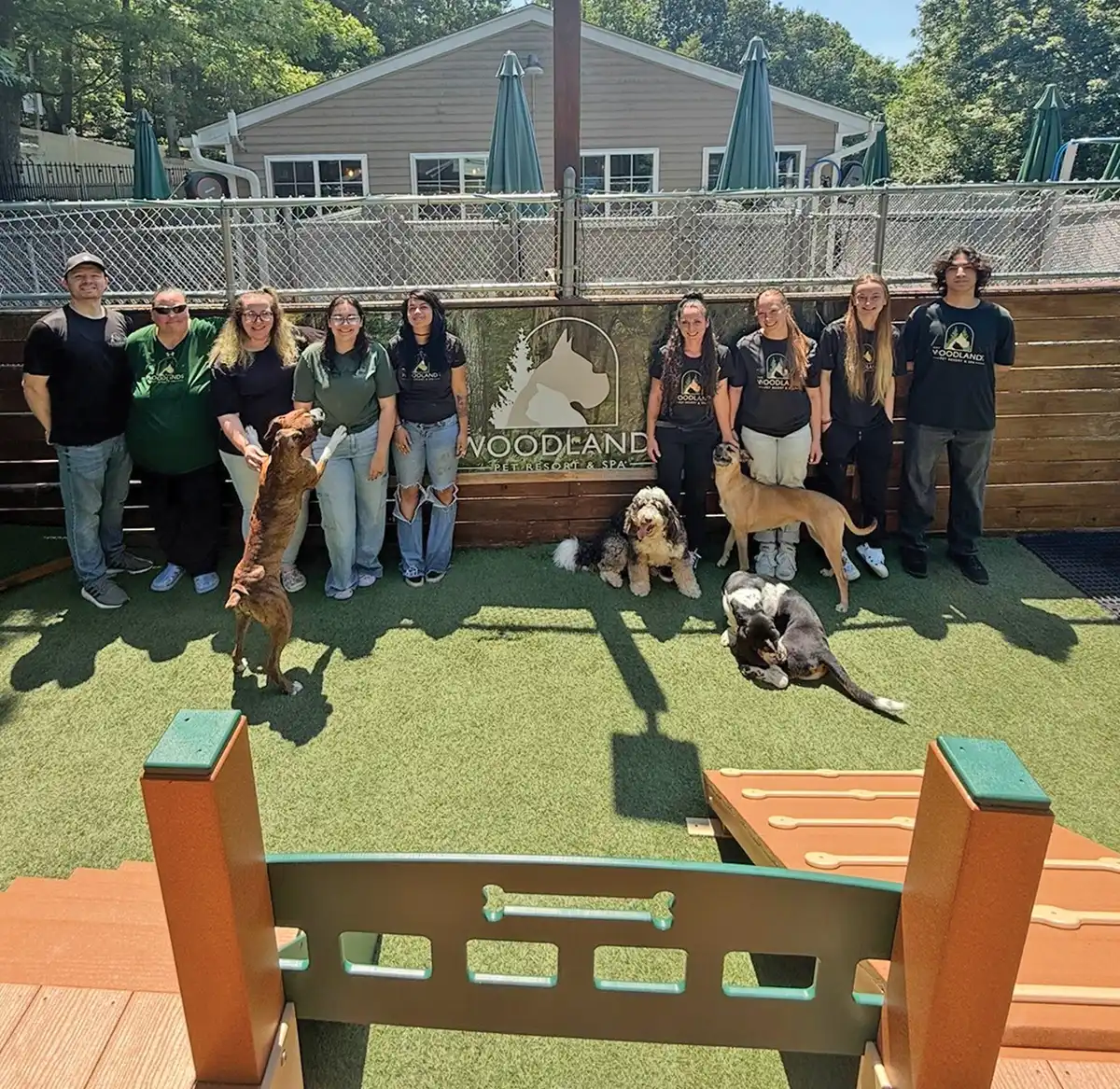
Photos provided by The Woodlands Luxury Pet Resort & Spa
 or Daniel Jones, caring for pets was never just a job—it was always a way of life. Long before he became the owner and president of The Woodlands Luxury Pet Resort & Spa in New York’s Hudson valley area, Daniel was learning the pet care business alongside his mother, Kerry Jones, the founder of Affordable Grooming & Boarding.
More than 30 years ago, Kerry built the business from the ground up through hard work, determination and an unwavering love of animals—and those values became the foundation of a family legacy that continues to shape every aspect of the business today.
“I remember many Christmas mornings when we would open presents very early, then we would head out and take care of the dogs that were staying with us,” recalls Daniel.


Kerry’s dedication to excellence extended beyond boarding and grooming, though. She was also well-known for breeding champion Boxers, including a Westminster-winning dog. Her passion for animal care earned the trust of pet owners and established a reputation that the family continues to build upon today.
More than three decades after Daniel’s mother founded Affordable Grooming & Boarding, that passion evolved into The Woodlands Luxury Pet Resort & Spa—one of Hudson Valley’s premier pet care destinations.
Under Daniel’s leadership, the facility has undergone extensive renovations, an expansion of services and a complete rebranding into a luxury pet resort, all while keeping the family values that built the business firmly intact.
One of the things The Woodlands is famous for is its unique setting. It is nestled at the end of a quiet country road and surrounded by more than 50 acres of wooded serenity just outside of Newburgh, New York. The tranquil environment creates a true resort atmosphere that allows dogs and cats to experience nature in a safe, controlled environment.

Individualized care is another cornerstone of The Woodland’s philosophy. Daniel believes that no two pets are alike and that successful boarding facilities must recognize and accommodate those differences. Whether a guest is a playful puppy, an active daycare participant or a senior pet with mobility challenges, staff members customize activities and services based on the pet’s specific needs.
“We cater to the pet’s mental and physical health and safety,” Daniel explains. “Temperament testing is required of every dog. They are evaluated and their individual needs are reviewed before they can participate in daycare or group activities.”
Once accepted, the dogs continue to be monitored throughout their stay. This ongoing assessment helps ensure that every dog remains comfortable, safe, and happy within their playgroup and activities—which wouldn’t be possible without resort’s dedicated team.
“My staff is the real key to The Woodland’s success,” Daniel says emphatically. “Many of our team members have been with us for years. Some are family members, and the others have become like family.”

As pet owners increasingly seek premium services, The Woodlands has responded. Comfort is a priority for every guest. Regardless of suite selection, pets enjoy orthopedic bedding, in-room cameras, television, radiant-heated flooring, central air conditioning and a private outdoor courtyard.
One of the resort’s newest additions is its luxury villa concept. These private “tiny house” accommodations feature only two exclusive villas per building, creating a more intimate and upscale experience for guests seeking additional privacy and comfort. The villas reflect a growing trend within the pet care industry as more owners seek boarding experiences that mirror the comforts of home.

Boarding dogs have opportunities to participate in daycare and can enjoy a variety of optional activities selected by their owners during the reservation process. Popular offerings include pool sessions, Trail Blazer leash walks, Central Bark excursions, photo packages, continental “Barkfast” and special treats such as “Pupcream” frozen snacks.
The resort’s custom-built swimming pool is one of its signature attractions. Complete with a spectacular waterfall, UV filtration system and pet-safe water treatment, it provides both recreation and exercise opportunities.
Another standout feature is Central Bark, a private activity area equipped with custom-built agility-style equipment and sprinklers for interactive play. According to Daniel, these activities serve a purpose beyond entertainment.
“We believe that happy dogs make happy clients,” Daniel states. “Owners appreciate knowing their pets are staying active and engaged while they are away. That confidence allows them to enjoy their own vacations without worrying about what their pets are doing back home.”
Over the years, Daniel has found that pet owners want to stay connected while they are apart from their pets. To address that need, the resort has introduced custom photo packages that allow owners to see and share their pets’ experiences.


“That creates a real win-win situation,” he continues. “Owners receive reassurance that their pets are happy and engaged, while our resort benefits from authentic word-of-mouth marketing and social media exposure.”
While many boarding facilities focus primarily on dogs, The Woodlands has also created a unique experience for its feline guests. Each cat condo is positioned along a windowed wall overlooking bird feeders and the property’s wooded landscape. The guests can watch birds, enjoy natural sunlight and observe outdoor activity throughout the day.
Inside the cattery, multi-level climbing structures encourage exploration and exercise, while private hiding spaces provide security for more reserved cats. Multi-cat families can reserve adjoining condos, creating expanded living areas for their pets.
To further enhance the environment, soothing music and bird sounds play throughout the evening, while staff members spend considerable time in the cattery during the day. The result is a cat-friendly environment specifically designed around feline behavior and comfort.
“While our technology, enrichment programs, and luxury upgrades continue to evolve at The Woodlands, the fundamentals of pet care remain timeless,” Daniel expresses.
Looking ahead, The Woodlands has plans for an indoor daycare building, further expanding the facility’s ability to provide year-round enrichment opportunities regardless of weather conditions. However, for Daniel, the future is about far more than growth and expansion; it is about continuing a family legacy that began with his mother’s vision, dedication and love for animals.
Every renovation, every new service and every investment in the facility is built upon the same foundation Kerry Jones established years ago. And that enduring commitment to pets, people and family values continues to define The Woodlands Luxury Pet Resort & Spa today—and remains the driving force behind its reputation as one of the Hudson Valley’s most respected pet care destinations.


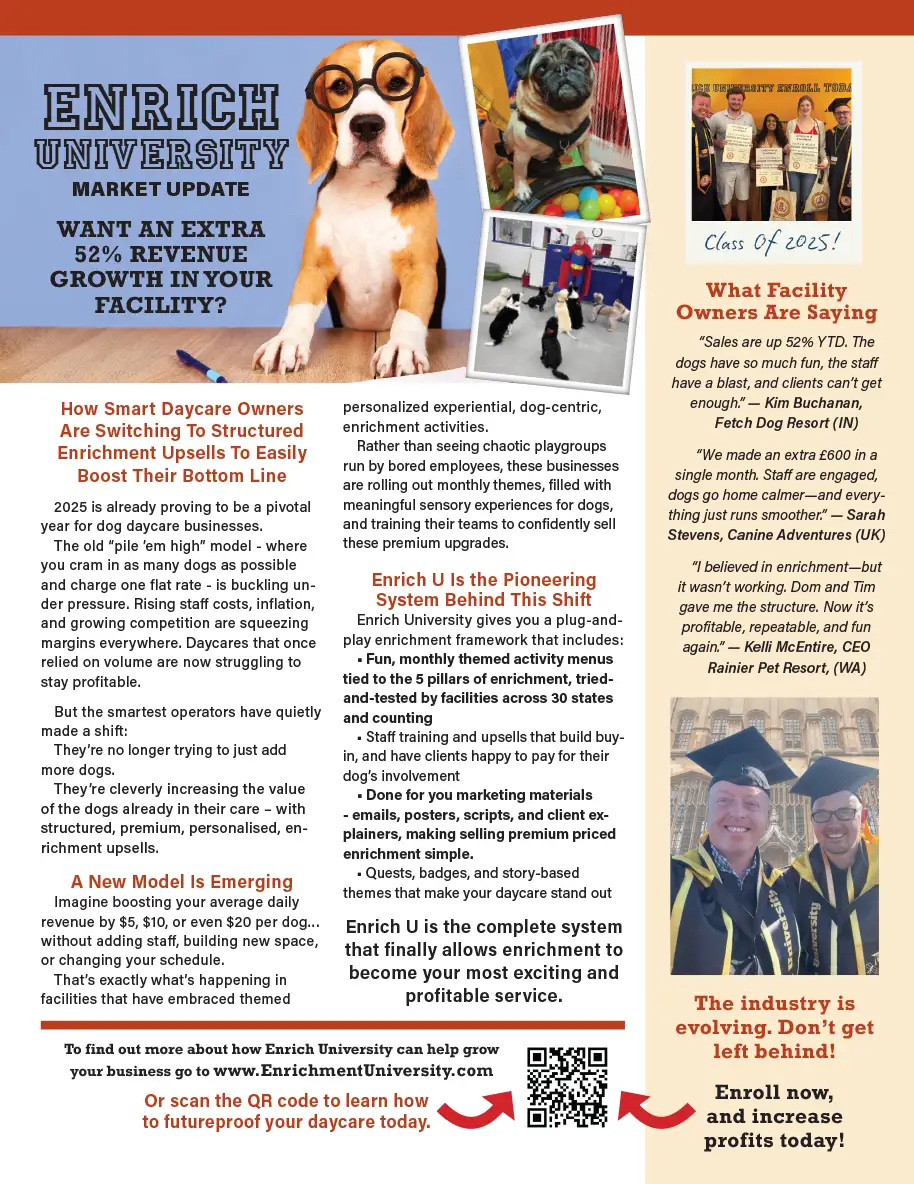
 fter working with pet resort owners for years, some really clear patterns have become noticeable. There are businesses that are crushing it—growing consistently, building momentum—and then there are businesses working just as hard (maybe even harder) and still spinning their wheels. So what’s the difference?
Here are five things the winning resorts are doing that the struggling ones usually aren’t:

Here’s the mindset shift: What’s the lifetime value of a customer to your business? For most multi-service pet resorts, it’s around $10,000. And that one person might refer two more. That lead sitting in your inbox unread could be worth $30,000. That’s worth following up on, right?
The resorts that are winning have systems and automations in place. The ones struggling are “getting to it when they can.”

The newer the relationship, the less you ask of them. It’s like meeting someone at a coffee shop and instead of asking them to grab a seat, you ask them to go away for the weekend. Way too much, way too fast.




If you have someone who came in for an evaluation but didn’t book, it isn’t a lost cause—they just need a nudge. If you have someone who’s been doing daycare for three months, it’s time to introduce them to training.
The businesses that are struggling are often running ads, getting leads and genuinely not knowing who converted, who disappeared or why.

All of those touch points together are what eventually get them to pick up the phone. So start with one channel, do it well, then add another. The long-term goal is showing up consistently in multiple places—because that’s what builds real momentum.

Here’s a quick example: A resort adds enrichment, demand is high and revenue goes up. This looks great; however, when you factor in staffing costs, profits barely moved. This is because enrichment is labor intensive. But without the numbers, you’d never know.
You don’t have to be a numbers person—you just have to commit to being informed (or surround yourself with people who are).
Don’t try to achieve all five at once. Pick the one that feels most broken and move that needle first. Growth doesn’t happen all at once—but it does happen when you’re consistently doing the right things.
Fern is the founder of Overdog Digital, a digital marketing & consulting agency that helps dog daycare and boarding facilities attract, convert, and keep more customers by creating winning marketing campaigns and providing the business guidance to build momentum and spark long-term growth. Fern also has programs to train daycare staff, is a dog behavior consultant, and has a dog training business in New Jersey. He is the author of eight books and a popular speaker at national conferences and private events. To join The Dog Daycare Business Think Tank or ask a question, go to: www.facebook.com/groups/dogdaycarethinktank




 ogs attending daycare are often among the most active members of the pet population. They spend their days running, playing, climbing, jumping and interacting with other dogs, making the daycare environment ideal for exercise and enrichment. However, increased activity also means mobility problems are more likely to become apparent.
For many owners, the first indication that something is wrong may come from a daycare staff member who notices that their dog is moving differently. Subtle changes in gait or behavior are easy to miss at home, particularly if they develop gradually, but they often become much more noticeable during longer periods of exercise or group play.
Recognizing the early signs of an orthopedic condition can make a big difference for our dogs. While boarding and daycare staff are not expected to diagnose these conditions, raising concerns early allows owners to seek vet advice sooner, which can often improve long-term outcomes.
- Reluctance to jump into the car or onto furniture
- Hesitating before climbing stairs
- Appearing stiff when getting up after resting
- Tiring more quickly during exercise
- Sitting down more frequently
- Becoming less willing to play
- Lagging behind during walks
- Shortening their stride
- “Bunny hopping” with both hind limbs together while running
- Becoming less sociable or less tolerant of handling
- Choosing to rest rather than joining in activities they previously enjoyed
Because boarding facilities observe dogs throughout the day and often over several consecutive days, they are in a good position to notice these gradual changes.

More significant ligament injuries can produce persistent lameness. Damage to the cranial cruciate ligament is one of the most common orthopedic problems seen in dogs. Complete rupture of the ligament can result in sudden non-weight-bearing lameness, but many dogs experience gradual degeneration of the ligament over time, with intermittent lameness, before complete failure occurs.
Prompt veterinary assessment is advisable whenever lameness persists beyond a day or two, if the lameness gets worse or if it recurs repeatedly.
Some young dogs show obvious signs from an early age, while others remain relatively comfortable until they become more active or grow older. Owners and staff may notice stiffness after exercise or rest, reluctance to jump into vehicles, difficulty getting up after periods of rest, reduced willingness to exercise or the characteristic “bunny-hopping” gait when running.

Affected dogs often develop forelimb lameness, although the signs can be quite subtle, particularly in the early stages. Some dogs become stiff after exercise or when getting up after rest, while others seem reluctant to play for as long as they used to. Because both elbows are frequently affected, dogs may shift their weight between limbs instead of showing an obvious limp, making the problem easier to miss.
Patellar luxation is particularly common in smaller breeds. In this condition, the kneecap slips in and out of its normal position, causing an intermittent skipping gait. Dogs often carry the affected limb for a few steps before returning to normal movement once the patella goes back into the correct position.
Although these conditions are inherited, clinical signs may not become obvious until puppies get a bit older and become more active, or as secondary arthritis develops later in life.
As previously mentioned, clinical signs are not always obvious. Some dogs simply become slower during play sessions or recover less quickly after exercise. Others appear stiff after periods of rest but loosen up once moving. Pain associated with osteoarthritis can also often fluctuate, meaning some days are noticeably better than others.
After walks through long grass or wooded areas, careful examination of the paws can often reveal embedded grass seeds or small wounds that would otherwise be easy to overlook. Regular inspection of the feet after exercise can identify problems before they become more serious.
Working and sporting breeds may also be more susceptible to soft tissue injuries simply because they participate in higher levels of physical activity. Breed alone should never be used to make assumptions about a dog’s health; however, awareness of recognized predispositions can encourage earlier investigation when concerns arise.
Likewise, dogs involved in road traffic accidents or falls from height require immediate veterinary assessment even if injuries initially appear minor. Less dramatic lameness should still be monitored carefully. If signs persist beyond 24 to 48 hours, recur repeatedly or worsen during exercise, a vet examination is recommended.
Good flooring also plays an important role. Slippery surfaces increase the risk of falls and can be particularly challenging for dogs with arthritis or existing mobility problems. Non-slip flooring provides greater confidence and stability. Comfortable bedding is equally important, allowing joints to recover after activity.
Staff should be encouraged to report even subtle changes in mobility. Recording observations over several days can reveal patterns that might otherwise be missed.
Avoiding assumptions about diagnosis is important. Describing what the dog is doing, for example, “reluctant to bear weight on the left hind limb after exercise,” is far more useful than suggesting a particular condition. These observations can provide valuable information for the veterinary team when assessing the dog.
Dogs are naturally enthusiastic, and many will continue running and playing despite being uncomfortable. For that reason, changes in movement are often very subtle to begin with. Boarding and daycare facilities are in a good position to notice these early signs because they observe dogs during exercise and over longer periods than many owners do.
Recognizing when something is not quite right, adapting activity where appropriate and encouraging veterinary assessment can all make a big difference. Sometimes it might just be a minor strain that settles with rest. On other occasions, that seemingly small limp can be the first indication of a more significant orthopedic problem, where early diagnosis and treatment can help preserve long-term mobility and quality of life.


 very business starts with a vision. But sometimes in the process of making that vision a reality, corners get cut, sacrifices are made and eventually that vision turns into a just another job, complete with staffing challenges, salary shortages and stress that follows you home.
It’s time to revisit that vision and stop settling for satisfactory—and there is no better place to start than at the 2026 Pet Boarding & Daycare Expo!
Taking place November 3rd-6th at the Hershey Lodge & Convention Center in Hershey, PA, the largest industry event for boarding and daycare professionals has gotten even bigger! With consistent year-over-year growth, a fourth session has been added to the schedule, Wednesday through Friday, giving attendees an even wider variety of seminars to choose from.
The expo will kick off Tuesday afternoon with two never-before-seen seminars to choose from, which include “The Behavior-Safe Pet Resort Workshop,” an original framework that breaks down the operating system behind the behavior-safe pet resort and provides attendees with a personalized action plan for their own facility, and “The Pet Care Mastermind Experience,” a unique four-hour coaching experience designed to help attendees get maximum value from every minute spent at this year’s expo.
To officially welcome everyone to the expo, all attendees are invited to join us for the Keynote Address taking place on Tuesday evening. Using trained actors, industry innovator Brian Remo recreates some of the most challenging client interactions encountered in pet services in “Surviving the (Pet) Parent Trap: A Live-Action Theater Performance.” This presentation is highly interactive, highly memorable and intentionally entertaining while still delivering practical takeaways attendees can immediately implement in their businesses.
The rest of the week will be filled with invaluable education continuing through Friday afternoon. Several new industry experts will be making their debut at this year’s expo covering a wide variety of cutting-edge material that pet boarding and daycare professionals can’t afford to miss. Packages are available for the full schedule of education, or days and individual sessions can be purchased separately. Plus, any education purchase will include free entry to the trade show!
The expo also offers unmatched networking opportunities, beginning with a Meet & Greet following the Keynote Address, which is free to all attendees. The Roundtable Luncheons, taking place on Thursday and Friday, are the perfect place to swap stories and ideas while enjoying a delicious meal (tickets required). And with the cozy, intimate setting of the Hershey Lodge, you don’t have to go far to join in on a conversation with others in the industry.
Thursday and Friday will feature the largest industry trade show with over 100 vendors offering everything you may need for your pet care business. And don’t worry—there will be plenty of time to shop in between seminars!
So if you’re ready to reach that vision of a successful, stress-free pet care business that’s the talk of the town, plan on attending this year’s Pet Boarding & Daycare Expo!





 or an industry that has spent decades running on gut instinct, word of mouth and a genuine love of dogs, pet boarding and daycare professionals rarely get a precise, standardized look at industry benchmarks. However, one survey was recently conducted, which collected responses from 457 facility owners.
The 2026 Pet Boarding, Daycare & Resort Industry Benchmarking Survey1 is one of the most detailed looks this industry has had in years at what’s actually happening behind the front desk: what facilities are charging, how full their kennels are and how earnings are landing in their pockets (or not). The following is a summary of four trends that the survey highlighted.
This industry doesn’t lack demand, but it does have a yield-management problem: expensive space sitting empty on Tuesdays while owners turn away business on holiday weekends. Some facilities have gotten creative about increasing capacity during slow periods by implementing programs such as daycare memberships that build recurring monthly revenue. Others introduced peak-season pricing and lowered rates in slower seasons to encourage occupancy. Changes like these allow facilities to match pricing to demand and build a steadier, more predictable income throughout the year.
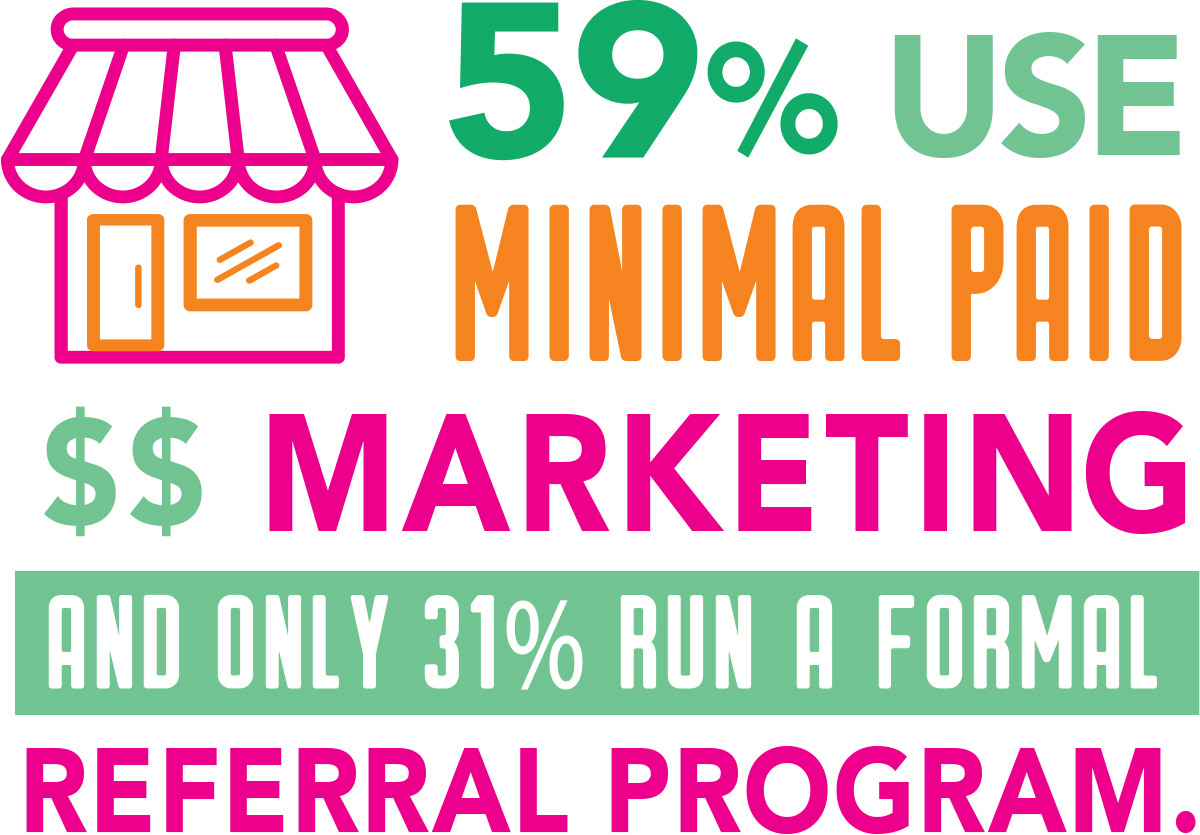
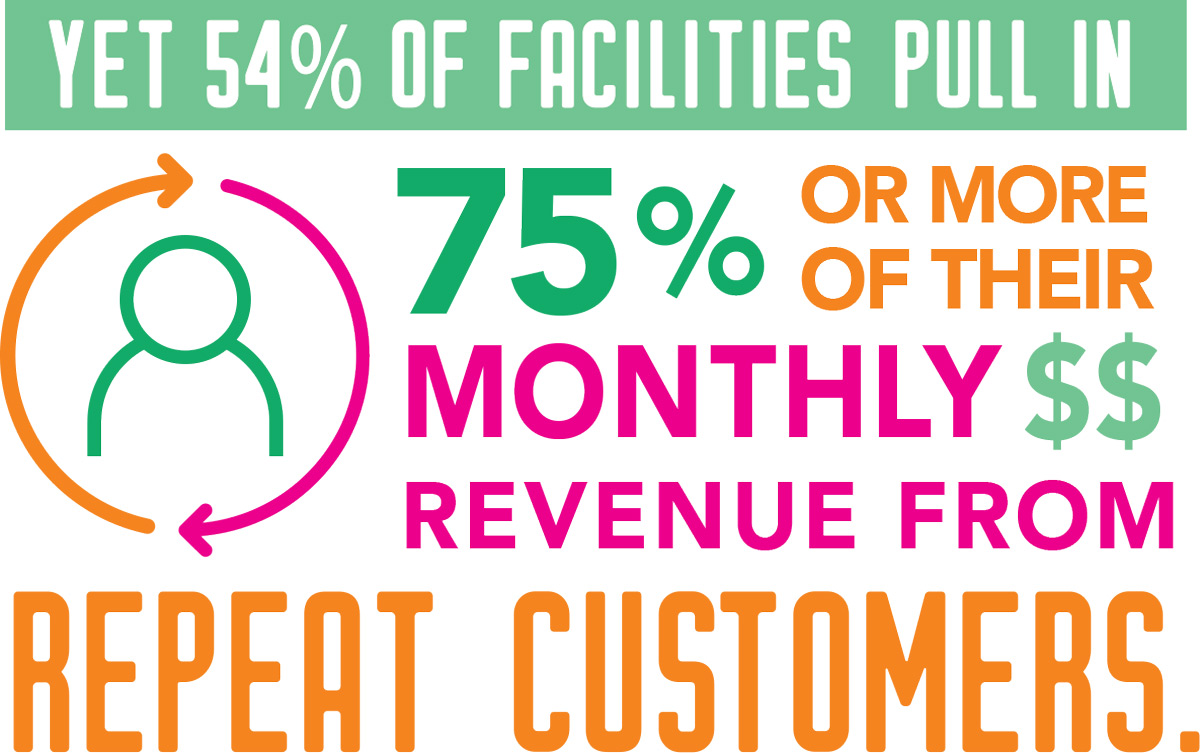
What consistently sets many businesses apart isn’t the size of the facility or the lowest prices but their level of service. A high level of communication and personalization builds loyal clients who choose a facility because of the experience that was consistently delivered—proof that the fastest path to growth is often making current clients feel seen, not chasing new ones.
The facilities closing that gap are rebuilding their booking flow, not their sales pitch. One of the simplest ways some are growing revenue is by restructuring their online reservation process. Instead of relying on the front-desk team to remember to offer every service at check-in, optional add-ons are built directly into their online booking form. Making those options visible at the point of purchase has been shown to increase add-on sales, improve consistency and raise the average revenue per reservation.
As it turns out, a full calendar is a cash-flow forecast. The operators managing this well are using deposits and waitlists to push their booking horizon out for peak periods, which gives them the confidence and the data to staff up, invest in enrichment or take on that second location before the demand even arrives.
Heather Murphy is Customer Success & Operations Manager at The Dog Gurus, the leading provider of education, coaching, and business training for pet care professionals, where she brings 12+ years of experience building and scaling pet care businesses. She founded Texas Doghouse and Woodlands Grooming Co., growing the combined operation to over $1 million in annual revenue before a successful acquisition. Based in Magnolia, Texas, Heather now helps businesses design training procedures, programs, and systems that strengthen their organizations.
- 2026 Pet Boarding, Daycare & Resort Industry Benchmarking Survey. https://heyzine.com/flip-book/ibpsasurvey.html#page/1


New Products

SNUFFLE MAT
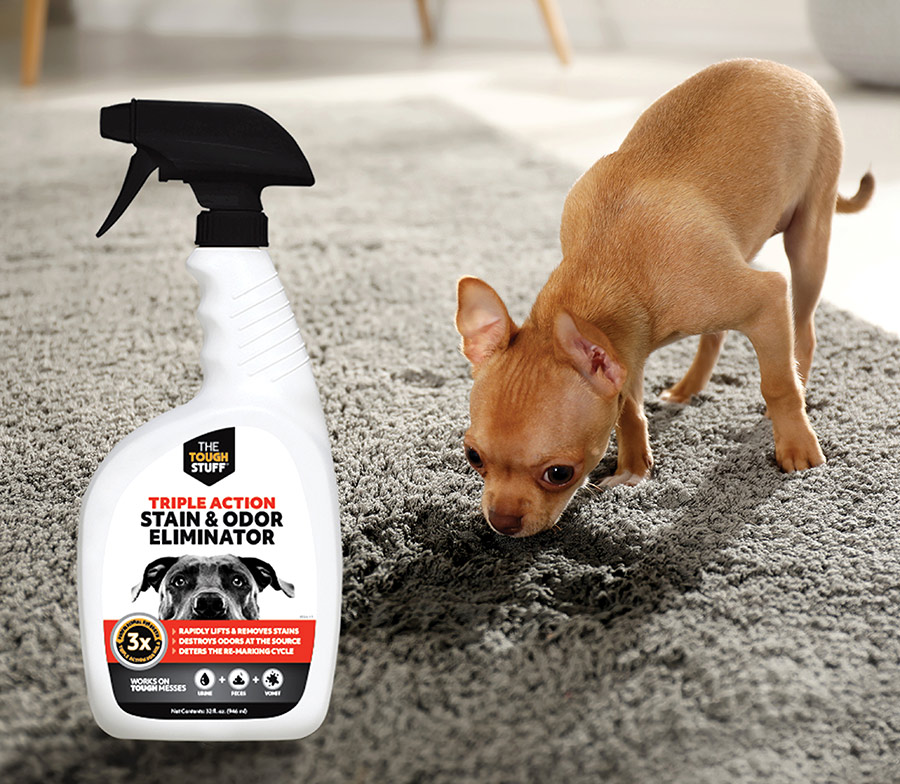
& ODOR ELIMINATOR


Proverbs 16:3 • NIV BIBLE
Proverbs 16:3 • NIV BIBLE