






 or an industry that has spent decades running on gut instinct, word of mouth and a genuine love of dogs, pet boarding and daycare professionals rarely get a precise, standardized look at industry benchmarks. However, one survey was recently conducted, which collected responses from 457 facility owners.
The 2026 Pet Boarding, Daycare & Resort Industry Benchmarking Survey1 is one of the most detailed looks this industry has had in years at what’s actually happening behind the front desk: what facilities are charging, how full their kennels are and how earnings are landing in their pockets (or not). The following is a summary of four trends that the survey highlighted.
This industry doesn’t lack demand, but it does have a yield-management problem: expensive space sitting empty on Tuesdays while owners turn away business on holiday weekends. Some facilities have gotten creative about increasing capacity during slow periods by implementing programs such as daycare memberships that build recurring monthly revenue. Others introduced peak-season pricing and lowered rates in slower seasons to encourage occupancy. Changes like these allow facilities to match pricing to demand and build a steadier, more predictable income throughout the year.

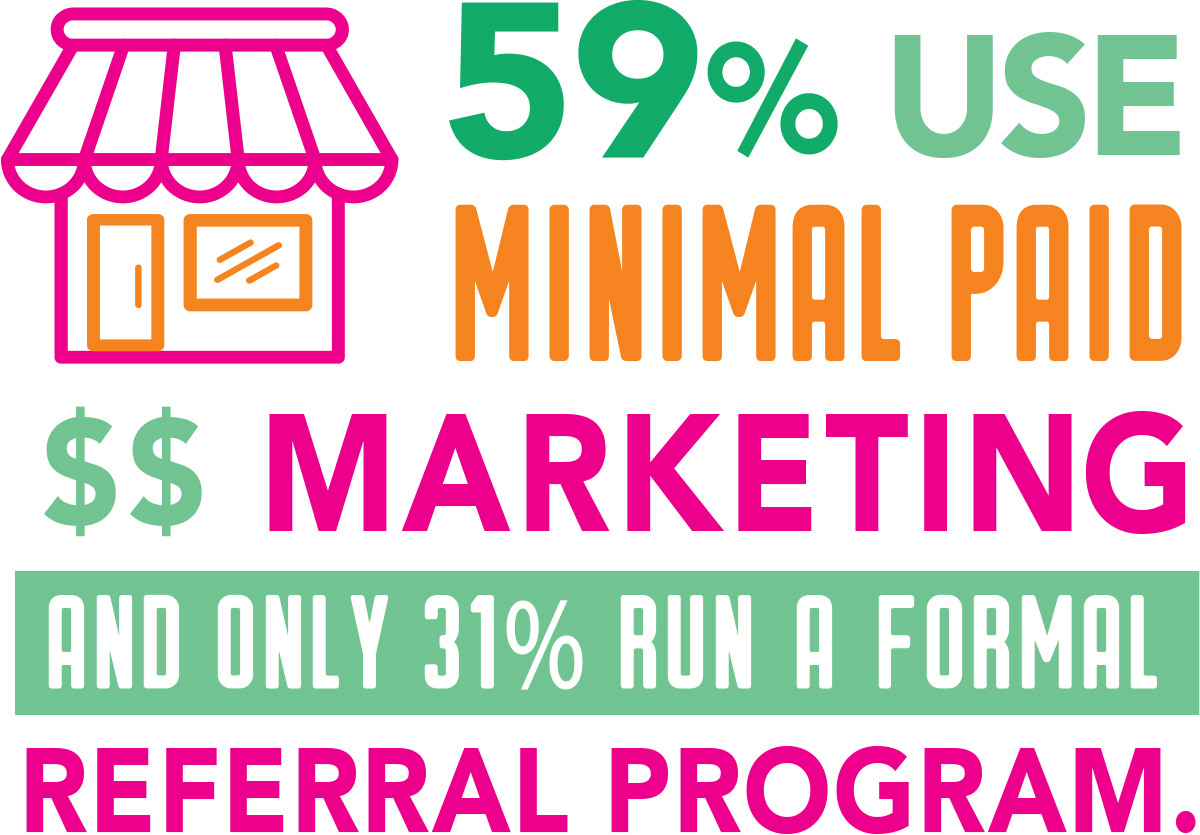
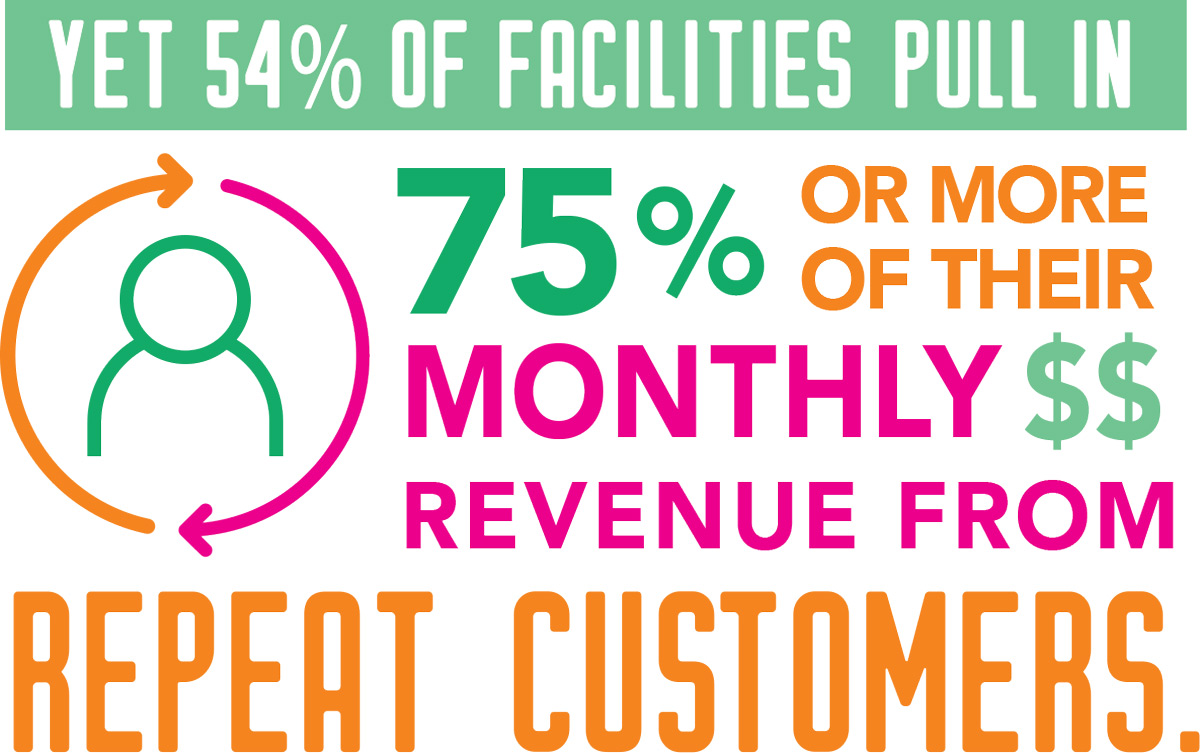
What consistently sets many businesses apart isn’t the size of the facility or the lowest prices but their level of service. A high level of communication and personalization builds loyal clients who choose a facility because of the experience that was consistently delivered—proof that the fastest path to growth is often making current clients feel seen, not chasing new ones.
The facilities closing that gap are rebuilding their booking flow, not their sales pitch. One of the simplest ways some are growing revenue is by restructuring their online reservation process. Instead of relying on the front-desk team to remember to offer every service at check-in, optional add-ons are built directly into their online booking form. Making those options visible at the point of purchase has been shown to increase add-on sales, improve consistency and raise the average revenue per reservation.

As it turns out, a full calendar is a cash-flow forecast. The operators managing this well are using deposits and waitlists to push their booking horizon out for peak periods, which gives them the confidence and the data to staff up, invest in enrichment or take on that second location before the demand even arrives.
Heather Murphy is Customer Success & Operations Manager at The Dog Gurus, the leading provider of education, coaching, and business training for pet care professionals, where she brings 12+ years of experience building and scaling pet care businesses. She founded Texas Doghouse and Woodlands Grooming Co., growing the combined operation to over $1 million in annual revenue before a successful acquisition. Based in Magnolia, Texas, Heather now helps businesses design training procedures, programs, and systems that strengthen their organizations.
- 2026 Pet Boarding, Daycare & Resort Industry Benchmarking Survey. https://heyzine.com/flip-book/ibpsasurvey.html#page/1